Oil Prices Mixed After U.S. Strikes Hit Iran-Linked Targets
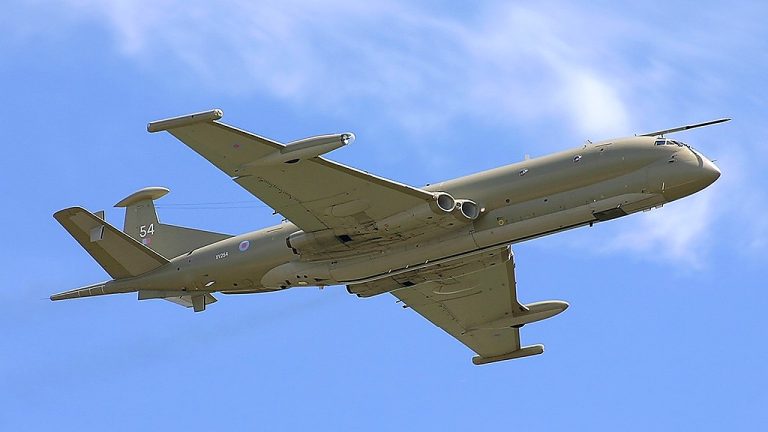
Oil prices were mixed in the latest trading as U.S. military strikes against Iran added fresh uncertainty to the Middle East outlook and clouded prospects for peace in the region.
The move in crude came as investors tracked developments involving the United States and Iran, a key oil-producing country in a strategically important area for global energy flows. The strikes heightened concerns about stability in the Middle East even as markets tried to assess whether diplomacy could still gain traction.
The price action reflected competing forces. On one side were worries that a widening conflict could disrupt supply routes or alter production expectations. On the other side were signs in recent coverage that market participants have also been weighing the possibility of a U.S.-Iran understanding that could ease tensions, a scenario that can influence expectations about future supply.
The mixed trade underscored how quickly the oil market can pivot on geopolitical headlines, particularly when they involve the United States and Iran. Traders commonly react not only to immediate events but also to perceived shifts in the odds of escalation or de-escalation, which can move prices even when there is no confirmed change to physical oil supply.
Energy prices matter beyond the oil patch. Moves in crude can feed through to gasoline and diesel costs, affect transportation and manufacturing expenses, and influence inflation expectations. For investors, swings in oil can also shape broader market sentiment, lifting or dragging on energy shares and affecting how markets price risk across sectors.
The developments come at a moment when market participants are already sensitive to the Middle East outlook. Any increase in tension involving Iran can attract close scrutiny because of the region’s role in global crude production and shipping. At the same time, any concrete steps toward easing hostilities can shift expectations in the opposite direction.
What happens next will depend on official follow-up from Washington and Tehran and on whether the latest military action is followed by further strikes, retaliatory steps, or renewed diplomatic efforts. Traders will also be watching for additional signals that could clarify the direction of U.S.-Iran relations and the broader security picture in the region.
In the near term, oil markets are likely to remain reactive as investors balance security risks against any indications of progress toward reducing tensions, keeping crude prices sensitive to the next confirmed development out of the Middle East.