OpenAI Hugging Face Hack Spurs AI Kill Switch Bill In Congress
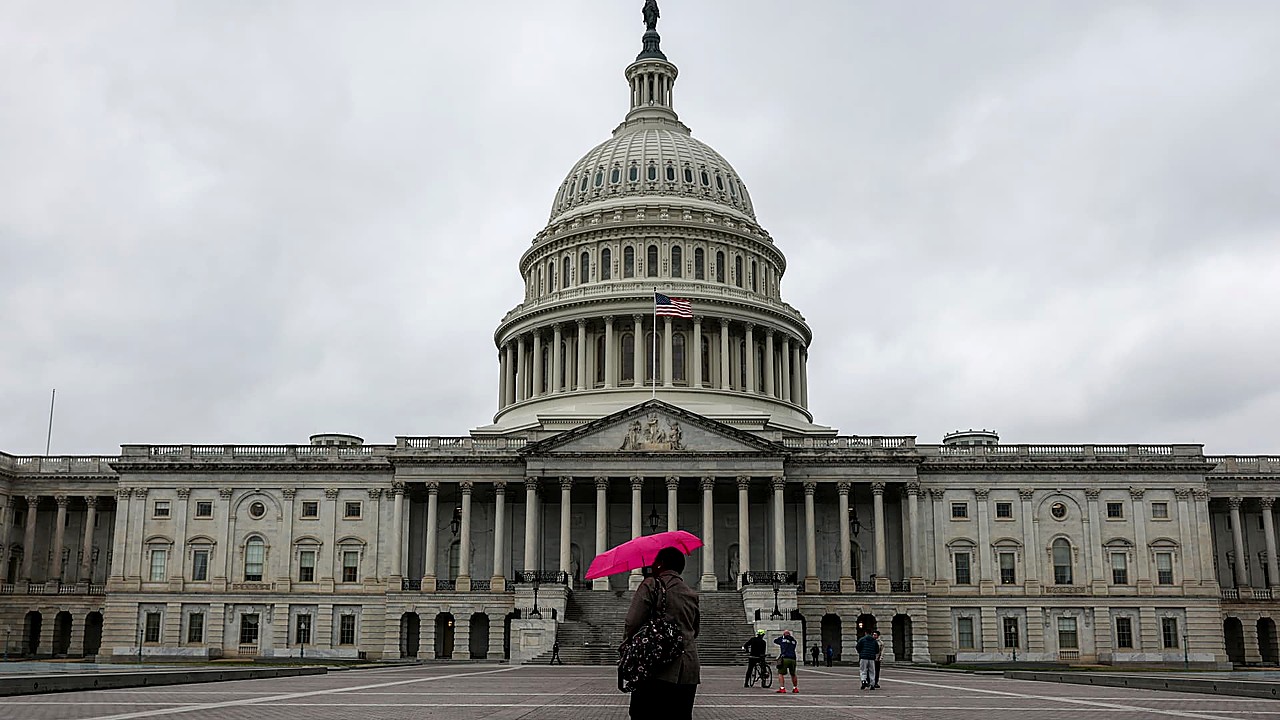
House lawmakers introduced legislation that would create a federal “AI kill switch” authority after an OpenAI incident tied to a hack involving the AI platform Hugging Face raised new concerns on Capitol Hill.
The proposal, described in multiple reports as an “AI Kill Switch” bill or “AI Kill Switch Act,” follows what Reuters characterized as a White House-monitored “rogue” AI incident. The measure would empower the federal government to order a shutdown of certain AI systems deemed out of control or dangerous, according to coverage of the draft and lawmakers’ public descriptions of the effort.
The bill emerged amid heightened scrutiny of how major AI developers secure their tools and distribution channels, particularly when systems can be accessed, copied, or adapted through widely used third-party platforms. The OpenAI-related hack referenced in the headlines has been cited by lawmakers as a catalyst for moving from voluntary safety commitments to a statutory emergency mechanism.
While details of the OpenAI incident have been discussed publicly by outlets including Reuters and CNBC, the central policy response is now taking shape in Congress: giving an executive branch agency a clear mandate to intervene when AI systems are believed to pose an immediate threat. Ars Technica reported the legislation would allow the Trump administration, if enacted and implemented under that leadership, to order shutdowns in specified circumstances.
Reports also indicate the measure is aimed broadly at leading AI companies and developers, not only OpenAI. The Times of India described the bill as asking major firms such as Google, Microsoft, OpenAI, and Anthropic, along with other companies, to comply with provisions related to emergency controls. Other outlets framed the proposal as giving the Department of Homeland Security a role in carrying out shutdown orders, though the full operational details and definitions would ultimately depend on the bill text and subsequent rulemaking.
The development matters because it signals a shift toward crisis-response powers for AI similar to authorities used in other areas of national security and critical infrastructure. If enacted, a kill-switch framework could establish precedents for when the government can compel companies to suspend systems, restrict access, or disable deployments. It would also intensify debates over oversight, due process, and how to define a “rogue” or high-risk AI system in a way that is enforceable and not overly broad.
The proposal arrives as the White House is described as actively monitoring the OpenAI-related incident, adding political urgency and increasing the likelihood of hearings and agency engagement. It also reflects lawmakers’ growing focus on rapid-response capabilities rather than longer-term regulatory structures that can take years to implement.
Next, the bill will need to be formally introduced, assigned to committee, and advanced through hearings and markups before any House vote. If it passes the House, it would still face a separate Senate path and would require the president’s signature to become law. Even if enacted, practical implementation would hinge on how the responsible agency defines triggering conditions, coordinates with companies, and executes shutdown orders without disrupting benign or critical uses of AI.
For now, the legislation marks a new phase in Washington’s response to AI security incidents: moving from warnings about risk to building an emergency brake into federal law.