OpenAI Researcher Miles Wang Talks To Launch $2B Drug AI Startup

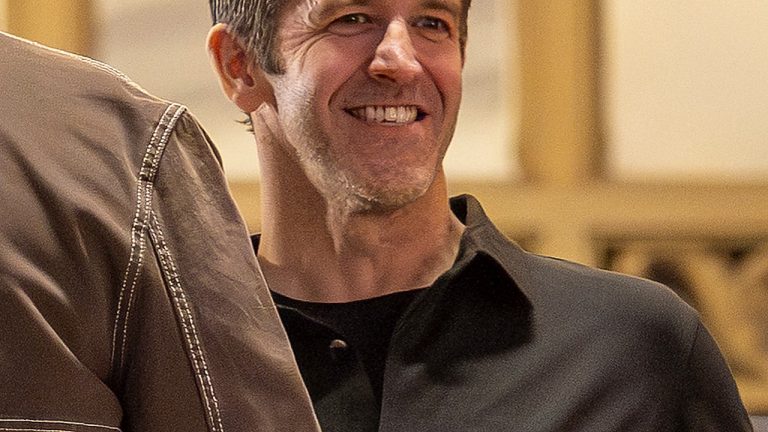
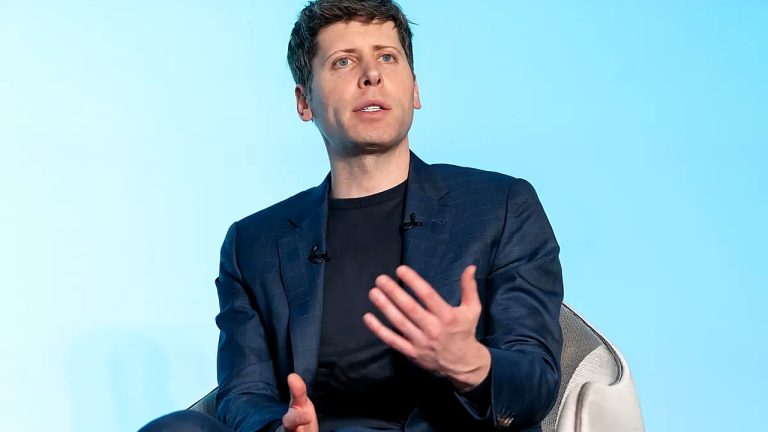
OpenAI researcher Miles Wang is in talks to launch an artificial intelligence drug discovery startup that would be valued at about $2 billion, according to recent published reports.
The discussions center on forming a new company focused on applying AI to drug discovery. Wang is described in those reports as an OpenAI researcher and the prospective founder of the venture. The proposed valuation, if agreed, would place the company among the most highly valued new entrants in the AI-driven biotech space at the moment it is created.
The reports do not detail where the startup would be based, which investors are involved, or what specific scientific programs the company would pursue. They also do not indicate whether Wang has formally left OpenAI or when a launch could occur. The reporting characterizes the situation as talks rather than a completed transaction or finalized company formation.
Even at an early stage, a potential $2 billion valuation for a drug discovery startup is notable in an industry where AI is increasingly being used to speed up parts of the research process, from identifying biological targets to screening molecules. Drug development is typically slow and expensive, and companies working on computational approaches have drawn interest by promising to reduce time spent on early-stage discovery work.
The prospective move would also add to the growing list of prominent AI researchers exploring applications outside of traditional software products. AI drug discovery sits at the intersection of advanced machine learning and life sciences, requiring both high-level technical expertise and access to biological data, lab validation, and partnerships that can move candidate drugs through testing and regulatory pathways.
For OpenAI, the reports underscore the broad reach of generative AI talent into other sectors. For the biotech industry, they highlight continued competition to recruit researchers who can build models aimed at solving domain-specific problems, including those tied to human health.
What happens next will depend on whether the talks produce a concrete deal structure and funding commitments. If the effort progresses, the next milestones would typically include formal incorporation, naming initial backers, hiring scientific and engineering leadership, and outlining an initial research strategy. Any future announcements would be expected to clarify the company’s leadership, financing, and how its technology would be validated in the lab.
Until those steps are made public, the situation remains a set of discussions around a potential new AI drug discovery company tied to Wang and a reported valuation figure that has drawn attention across tech and biotech circles.
If the talks result in a launch, the new venture would immediately enter a crowded and high-stakes field where claims are closely watched and success is ultimately measured in medicines that reach patients.