Pakistan PM Says US-Iran Peace Talks Could Start Very Soon
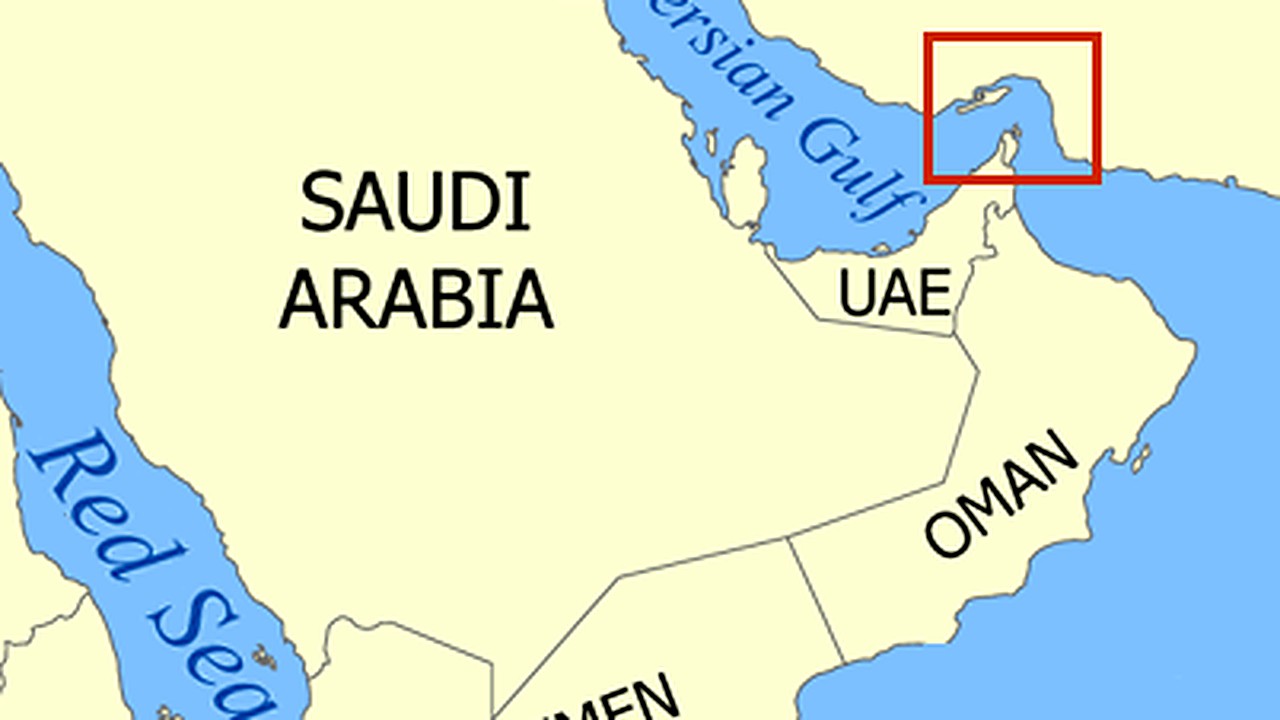
Pakistan’s prime minister said his government hopes to host U.S.-Iran peace talks “very soon,” as President Donald Trump claimed a deal with Tehran is “largely negotiated,” including steps related to reopening the Strait of Hormuz.
The comments, reported by Radio Free Europe/Radio Liberty, placed Pakistan publicly at the center of diplomatic efforts aimed at easing tensions between Washington and Tehran. The prime minister said Pakistan would continue its peace efforts and expressed hope that the next round of talks could take place in Pakistan.
Trump, in remarks carried by multiple outlets including the BBC and The Guardian, said an Iran deal was “largely negotiated” and referenced the reopening of the Strait of Hormuz, a key maritime chokepoint for global energy shipments. Neither report, based on the information provided, included a finalized agreement text or a formal announcement from Iran.
Taken together, the statements underscore an active push—publicly framed by both Washington and Islamabad—toward de-escalation and structured negotiations, with Pakistan seeking to serve as a venue.
The development matters because any movement toward formal talks can affect regional security calculations across the Middle East and beyond. The Strait of Hormuz is one of the world’s most important routes for oil and gas shipments, and references to reopening it highlight the economic and strategic stakes tied to stability in the Gulf.
Pakistan’s bid to host negotiations also signals the role regional states may play as intermediaries when direct communication channels are strained or politically sensitive. For Islamabad, positioning itself as a host for high-stakes talks can elevate its diplomatic standing while aligning it with broader international efforts to prevent conflict.
What happens next will hinge on whether U.S. and Iranian officials agree to meet and whether a specific date, location, and agenda are confirmed. Pakistan’s prime minister has said he intends to continue peace efforts and hopes to convene the next round soon, but no schedule or formal invitations were detailed in the reports cited.
Separately, Trump’s assertion that a deal is “largely negotiated” sets expectations for tangible follow-through, such as the release of agreed terms or confirmation from other parties. In the absence of those elements in the reporting provided, the next clear markers will be official statements, any announced meeting logistics, and verification from participating governments about what has been agreed and what remains unresolved.
For now, Pakistan is signaling readiness to host, and the U.S. president is signaling confidence in progress—two messages that raise the stakes for concrete diplomatic steps in the days ahead.