Pope Leo Highlights Mission Work In Visit Far From Rome
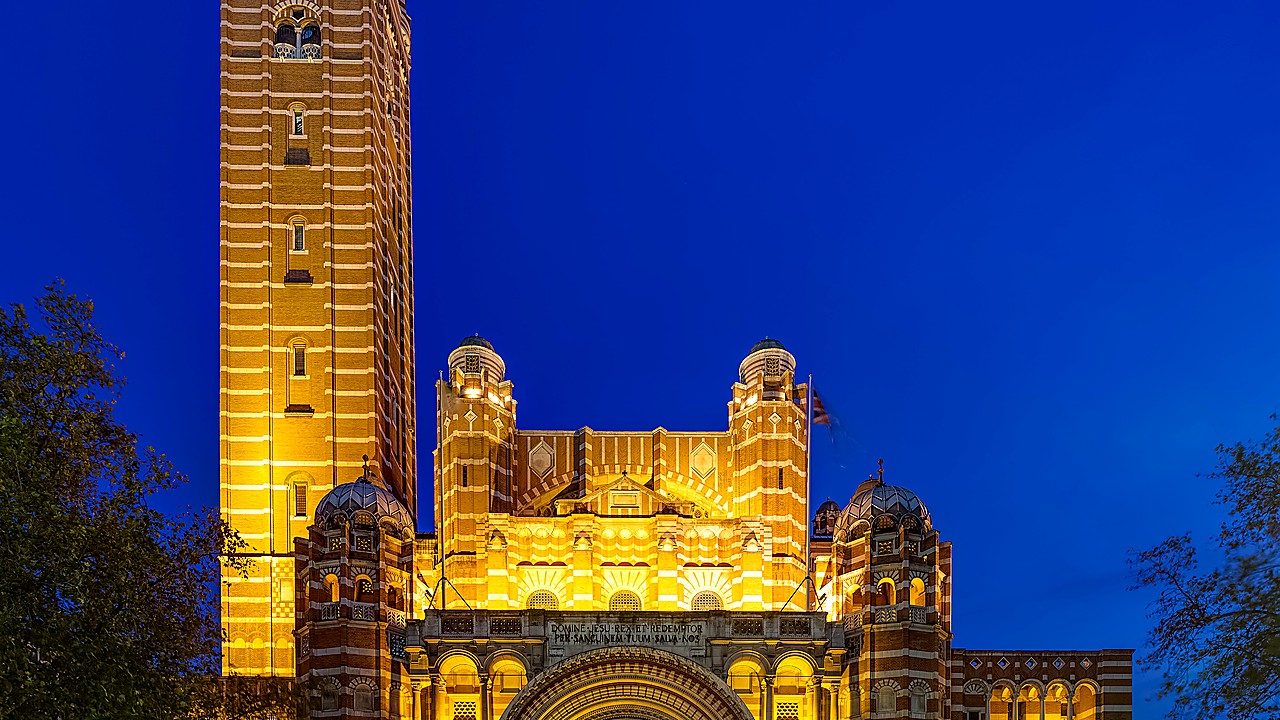
Pope Leo has taken his pontificate on the road, placing missionary outreach at the center of his public schedule far from Rome.
The latest developments highlighted by National Catholic Reporter describe a pope who is spending time in communities outside the Vatican’s usual orbit, underscoring a hands-on approach to church leadership that prioritizes presence, pastoral contact, and direct engagement with local realities.
In reporting on Pope Leo’s activities away from Rome, National Catholic Reporter said his “missionary instincts” have been on display. Separate NCR coverage described the pope addressing themes that often dominate life in fragile states, including tyranny and corruption, as Cameroon experiences a pause in a deadly conflict.
NCR also reported on Pope Leo XIV visiting an African church linked to slavery, presenting the visit as a moment of reflection that touches on history and the pope’s own complex heritage. That account framed the visit within a broader set of questions facing global Catholicism, including how the church confronts the legacies of exploitation and violence while ministering in places shaped by them.
Another NCR report said Pope Leo stated he has “no fear” of the Trump administration after an attack from the president. The headline points to a direct posture from the pontiff when confronted by political criticism, signaling that his public comments and priorities will not be easily redirected by pressure from powerful outside actors.
Taken together, the headlines depict a papacy that is defining itself not only through Vatican statements and Rome-centered ceremonies, but through travel, symbolic visits, and pointed moral language in settings where the church’s social and historical footprint is impossible to ignore.
This matters because the pope’s choice of where to appear and what to emphasize helps set the tone for the global Catholic Church’s agenda. A focus on missionary presence can shift attention and resources toward churches outside Europe, elevate local concerns in Africa and other regions, and reinforce the idea that the Vatican’s role is not solely administrative but also pastoral and outward-facing.
It also places the pontiff more directly into the crosscurrents of modern politics and conflict. Public condemnations of corruption or tyranny, and responses to criticism from political leaders, can resonate well beyond Catholic audiences, influencing how the Holy See is perceived as a moral voice on the international stage.
What happens next will be shaped by the pope’s continued travel and the themes he chooses to highlight in public appearances. Further visits to churches and communities outside Rome would reinforce the missionary profile NCR has described, while additional statements on governance, violence, and historical legacy could sharpen how this pontificate is understood both inside the church and by world leaders.
For now, the picture emerging from the recent reports is of a pope intent on being seen where the church meets hardship and history head-on, and on speaking in a way that signals independence from political intimidation.