Simple Ways to Stop a Running Toilet
A running toilet is not only annoying but can also lead to increased water bills and waste. It’s a common household problem that often seems complicated, but in many cases, the fix is straightforward. If you’re hearing that constant sound of water running or noticing your water bill soaring, it’s time to tackle the issue. In this post, we’ll walk you through simple, effective steps to stop a running toilet without needing to call a plumber immediately.
What Causes a Toilet to Run?
Understanding why your toilet is running will help you diagnose the problem quickly. Here are the most common causes:
- Flapper Problems: The flapper is a rubber valve at the bottom of the tank that opens to let water flow into the bowl when you flush. If it’s worn, warped, or not sealing properly, water will continuously leak into the bowl.
- Faulty Flush Valve: The flush valve works in conjunction with the flapper. A damaged or misaligned flush valve can cause continuous water flow.
- Float or Fill Valve Issues: The float controls the water level in the tank. If it’s set too high or is malfunctioning, the water will keep filling and overflowing into the overflow tube.
- Chain Problems: The chain connecting the flush lever to the flapper might be too tight, too loose, or tangled, preventing the flapper from closing properly.
- Cracks or Leaks: Less common but still possible; a cracked tank or bowl can also cause water to leak continuously.
How to Stop Your Toilet from Running: Step-by-Step
Before you begin, make sure you have a few basic tools: adjustable wrench, screwdriver, pliers, and some replacement parts like a flapper or fill valve if needed. Here’s what to do:
Step 1: Turn Off the Water Supply
Locate the shutoff valve behind the toilet near the floor and turn it clockwise to stop the water supply. This prevents any additional water from entering the tank while you work.
Step 2: Remove the Tank Lid and Inspect the Components
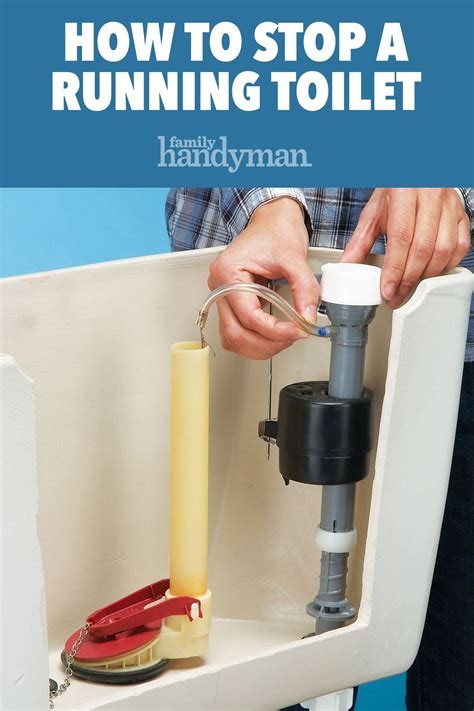
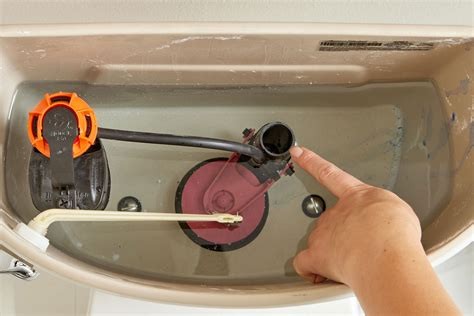
Carefully remove the tank lid and place it somewhere safe. Look inside at the flapper, fill valve, float, and the refill tube. Check if the flapper is sealing properly or if the water level is too high.
Step 3: Adjust the Float
If the water level is rise too high and water is pouring into the overflow tube, the float might be set incorrectly.
- Ball Float: Gently bend the float arm downward to lower the water level.
- Cylinder Float: Look for a clip or adjustment screw on the fill valve and slide the float down or turn the screw to reduce the water level.
The ideal water level is about an inch below the top of the overflow tube.
Step 4: Check the Flapper and Chain
- Inspect the flapper for any warping, cracks, or mineral buildup. Also, make sure it creates a tight seal on the flush valve seat.
- Check the chain length. If it’s too short, the flapper won’t close fully. If it’s too long, it might get caught or tangled. Adjust it so there’s just enough slack for the flapper to seal when closed.
If the flapper is damaged, replace it with a new one. These are inexpensive and available at most hardware stores.
Step 5: Replace or Clean the Fill Valve
If adjusting the float or flapper does not solve the problem, the fill valve might be faulty. Mineral deposits can clog it, or it might be worn out after years of use.
- Turn off the water supply and flush to empty the tank.
- Use an adjustable wrench to disconnect the water supply line below the tank.
- Remove the old fill valve and install the new one following the manufacturer’s instructions.
Once installed, turn the water back on and check if the running stops.
Step 6: Inspect the Overflow Tube
Make sure the overflow tube is not cracked or broken. Also, confirm that the water level is below the tube’s opening. If the water is constantly draining into it, the toilet will keep running.
Bonus Tips for Maintaining Your Toilet
- Regular Checks: Inspect your toilet tank every few months to catch small issues before they become big problems.
- Clean Components: Use vinegar or a mild cleaner to descale and clean the flapper and valves periodically.
- Consider Upgrades: Older toilets may have parts that wear out quickly; upgrading to newer, more reliable components can save water and hassle.
When to Call a Professional
Simple fixes like adjusting the float or replacing the flapper are usually manageable for homeowners. However, if the toilet keeps running after trying these steps or if you notice cracks in the tank, persistent leaks, or other plumbing issues, it’s time to call a licensed plumber. They can diagnose more complex problems and ensure your toilet operates efficiently.
Conclusion
A running toilet is a common nuisance but often an easy one to fix. Most issues stem from basic components like the flapper, float, or fill valve. By turning off the water supply, inspecting parts, and making adjustments or replacements as needed, you can stop the running and save water and money. Regular maintenance also helps keep your toilet functioning well for the long haul. If issues persist, don’t hesitate to seek professional help—sometimes it’s the safest and quickest solution.
Save on Pinterest