SpaceX Scrubs Starship Launch After Multiple Engines Fail To Ignite
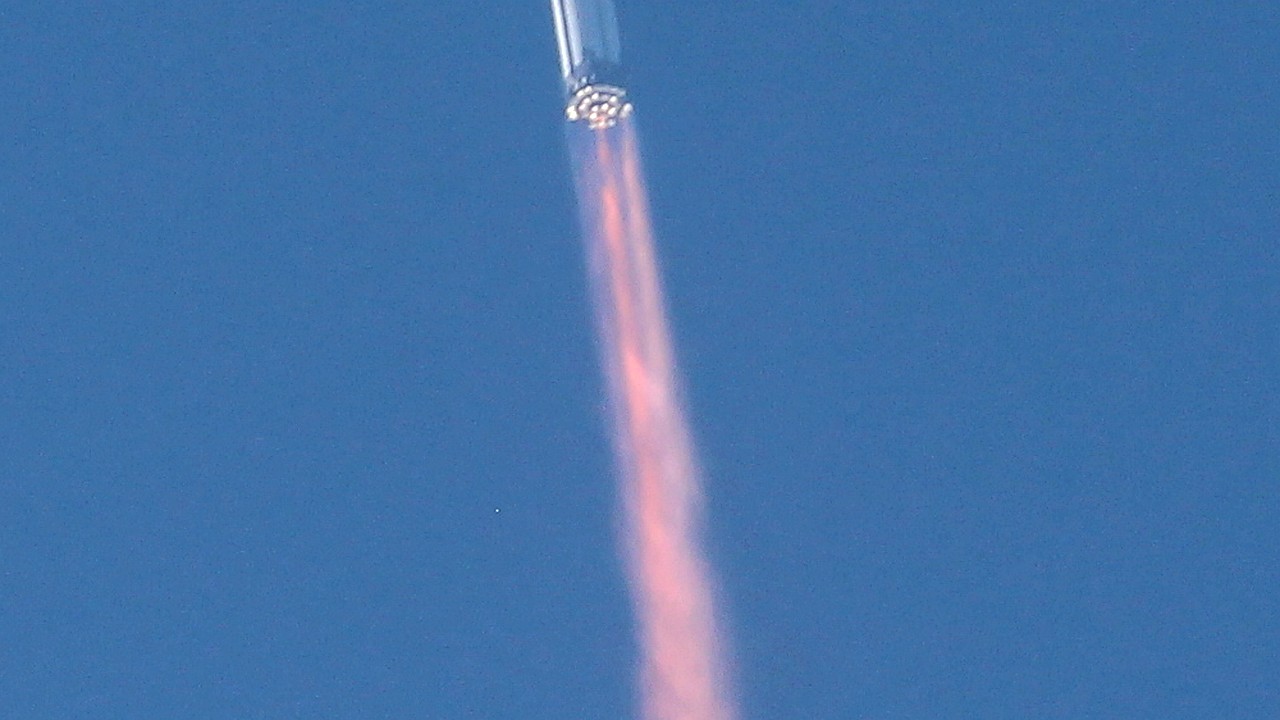
SpaceX called off a Starship test flight attempt after encountering an engine-start problem during the countdown, scrubbing the launch when some of the vehicle’s engines failed to ignite as planned.
The scrub involved Starship, SpaceX’s next-generation, fully reusable rocket system being developed for missions to orbit and beyond. Multiple outlets described the attempt as Starship Flight 13, and reported the hold came in the final moments before liftoff as the company worked through engine-related issues.
SpaceX has repeatedly used flight tests to expand the envelope of what Starship can do, gathering data from each attempt and applying changes rapidly ahead of the next one. A scrub tied to engine start is a reminder of the technical complexity of the world’s most powerful rocket system and the difficulty of lighting large numbers of engines in tight sequence under launch conditions.
The immediate impact is straightforward: the test did not fly, and SpaceX did not proceed into the planned mission profile for this attempt. That means the company will have to recycle the vehicle and ground systems, review the engine-start anomaly, and determine what needs to be adjusted before another try.
The development matters because Starship is central to SpaceX’s future launch plans and is intended to drive down costs by flying often and reusing hardware. Each launch attempt is also a milestone for a program being built through iterative testing, where progress can come not only from successful flights but also from diagnosing failures and near-failures during critical phases like ignition and liftoff.
Engine performance at startup is particularly important for a vehicle designed to rely on many engines operating together. A partial engine-start sequence can trigger automated abort logic or prompt a manual scrub, as the system is designed to avoid committing to flight unless the rocket is in a configuration that meets safety and performance requirements.
Next steps will focus on inspections and troubleshooting. SpaceX typically reviews telemetry, evaluates the affected hardware, and decides whether fixes can be made at the pad or if the vehicle needs to be rolled back for more extensive work. The company will also need to reset the range and operational timeline for a future attempt once it determines the cause and confirms readiness.
For now, the mission remains on the ground, with SpaceX’s next Starship flight test pending the resolution of the engine-start issue that halted this countdown just before liftoff.