Spotify Expands AI Features Beyond Music To Retain Subscribers
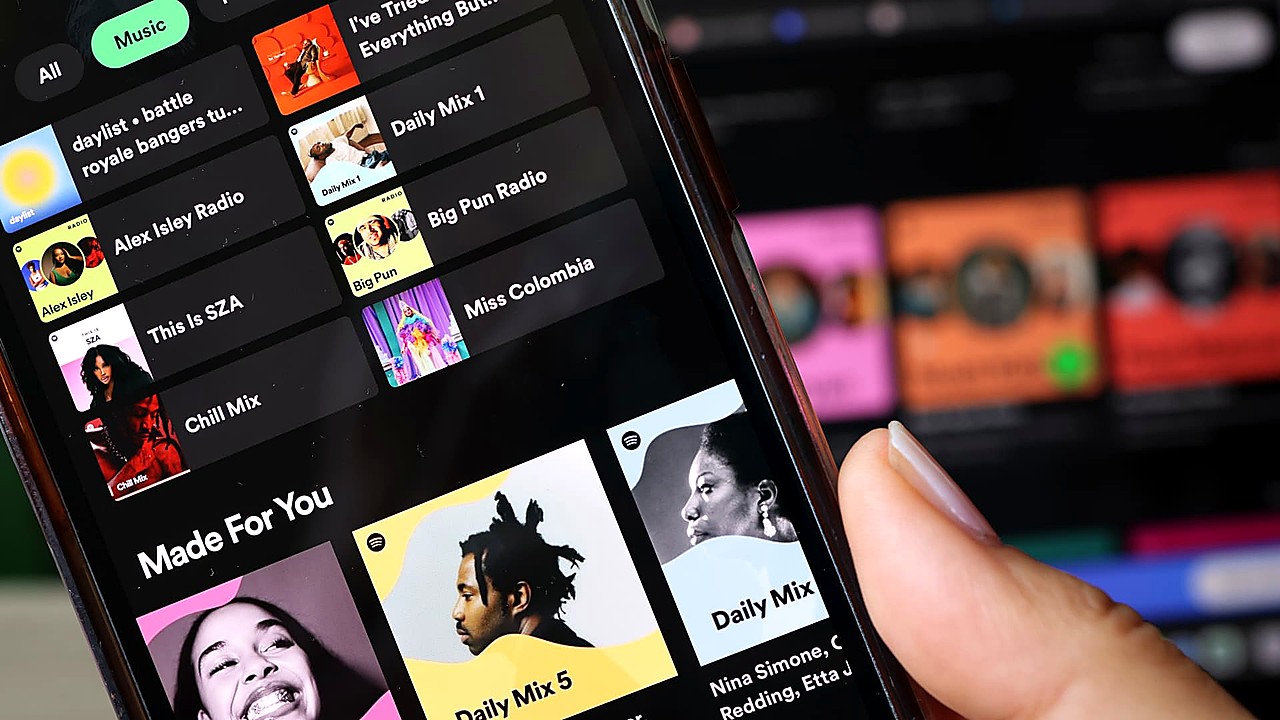
Spotify is increasingly positioning artificial intelligence as a core part of its product strategy, with the company and Wall Street focusing on AI-driven features as a key lever for keeping subscribers over time.
The shift is being framed around Spotify’s push to make the app feel more personalized and more useful beyond simply offering a large music catalog. In that view, AI becomes the layer that helps listeners decide what to play, discover new audio they might like, and interact with the service in more direct ways inside the app.
The current conversation about Spotify’s approach comes as the broader tech and investment landscape debates how durable AI advantages will be. Investors have been weighing whether AI tools will remain differentiators for companies or become widely available commodities. At the same time, market participants have been highlighting persistent challenges in software tied to AI, including uncertainty around how reliably these systems will perform and how quickly competitors can replicate similar capabilities.
For Spotify, the stakes are straightforward: in streaming, music libraries can look similar across services, and switching costs for consumers can be low. Any edge that makes the experience feel uniquely tailored can help reduce churn and keep subscribers paying month after month. Personalization has long been part of Spotify’s identity, and the next phase of that effort is centered on more sophisticated AI.
This development also matters because it touches both sides of Spotify’s business model. Subscriber retention supports recurring revenue, while better personalization can strengthen engagement, which is critical for advertising and broader platform activity. If AI makes listeners spend more time in the app and rely on it more often to choose what to play, that can reinforce Spotify’s value proposition even in a crowded market.
At the same time, the wider industry debate suggests the path is not without risk. If AI models and tools become easier to copy, Spotify may have to compete on product execution, data advantages, and how seamlessly features work at scale. And if AI-related software issues persist across the sector, companies deploying these systems will face ongoing pressure to prove reliability, safety, and usefulness to consumers.
What happens next will hinge on how Spotify continues to integrate AI into subscriber-facing experiences and whether those tools translate into measurable improvements in retention and engagement. Investors and competitors are closely watching how consumer products incorporate AI in ways that feel indispensable, rather than optional add-ons. The company’s challenge will be to make AI features practical, consistent, and clearly valuable in everyday listening.
The streaming fight has never been just about who has the most songs, and Spotify is betting the next battleground will be who best understands what each listener wants next.