Strait Of Hormuz Still Closed After Iran Seizes Commercial Ships
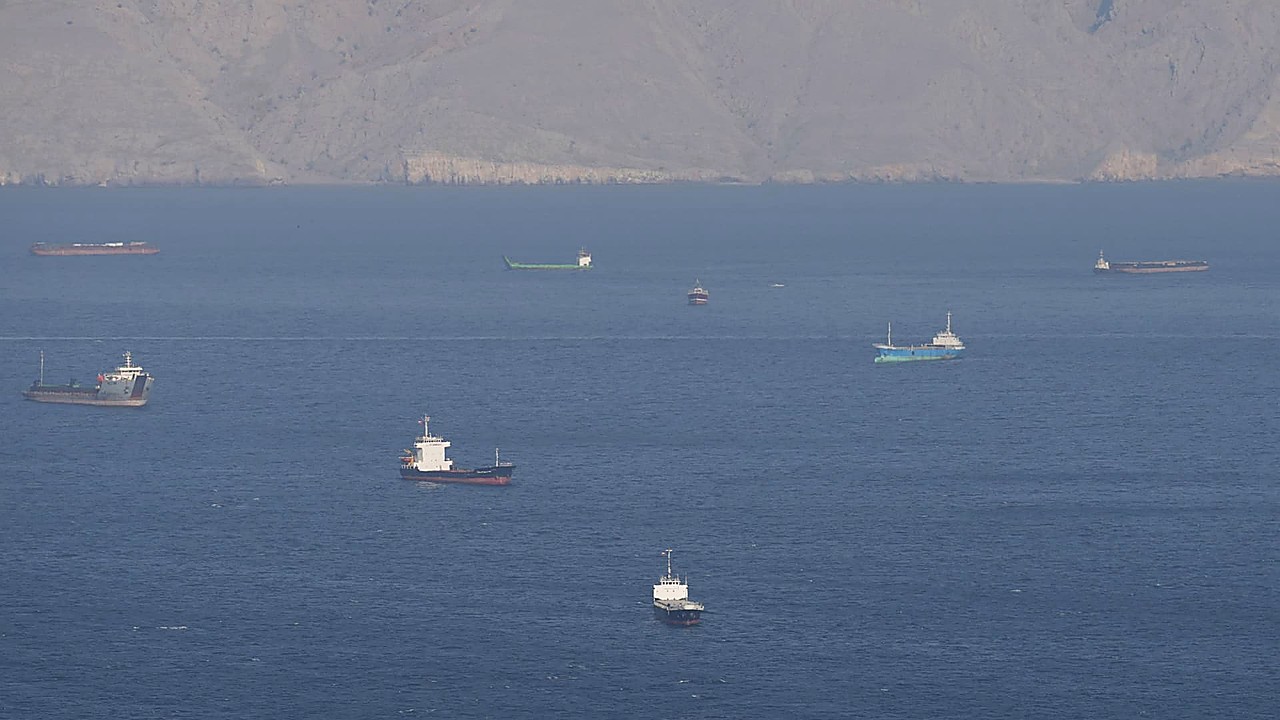
The Strait of Hormuz remained basically closed Monday after Iran seized ships in the vital waterway, even as President Donald Trump extended a ceasefire deadline tied to the ongoing conflict involving Iran.
Iran said it has seized two vessels in the Strait of Hormuz, according to Radio Free Europe/Radio Liberty. CNBC reported the strait was “basically closed” as the seizures unfolded following Trump’s ceasefire extension.
The Strait of Hormuz is a narrow maritime corridor connecting the Persian Gulf with the Gulf of Oman and the wider Indian Ocean. It is one of the world’s most strategically important shipping lanes, routinely used by tankers and commercial vessels transiting to and from Gulf ports.
The reported seizures add to a rapidly shifting security environment in the region and raise immediate operational questions for shipping companies, insurers and governments monitoring vessel safety. With the strait described as basically closed, commercial traffic faces heightened disruption and uncertainty.
Markets responded to the latest developments with whipsaw moves, reflecting sensitivity to any threat to energy shipping and regional stability. TradingView published separate reports describing stocks falling amid indications Iran would not attend peace talks, and later being supported by signs Iran would attend. The conflicting signals underscored the fragile and fluid nature of diplomacy tied to the conflict.
Meanwhile, other reports highlighted the strain on global energy flows. AOL.com reported oil surged after Iran said the Strait of Hormuz is closed, in a separate development that also involved the U.S. Navy seizing an Iranian vessel. The overlapping incidents point to expanding maritime tension alongside political efforts aimed at limiting escalation.
Trump’s public posture on the ceasefire has also shifted in recent days. Mabumbe reported Trump warned the ceasefire would end Wednesday with no extension, but CNBC’s headline indicates an extension was later issued. The immediate practical effect, however, has not been a normalization of shipping activity in the strait.
The current standoff matters because the Strait of Hormuz serves as a chokepoint for global trade and energy shipments. Even partial disruptions can ripple quickly through shipping schedules, freight rates and energy prices, while raising the risk of miscalculation among military forces operating in close proximity.
What happens next will depend on whether shipping resumes under enhanced security conditions and whether diplomatic engagement moves forward. Iran’s stated position on seized vessels, and any additional actions by regional or U.S. naval forces, are likely to shape how quickly operators can reestablish transits.
For now, the seizures and the effective closure of the Strait of Hormuz have turned a ceasefire extension into a new test of maritime security, with global consequences riding on a narrow stretch of water.