Sutskever Defends Role in Altman Ouster, Citing OpenAI Safety
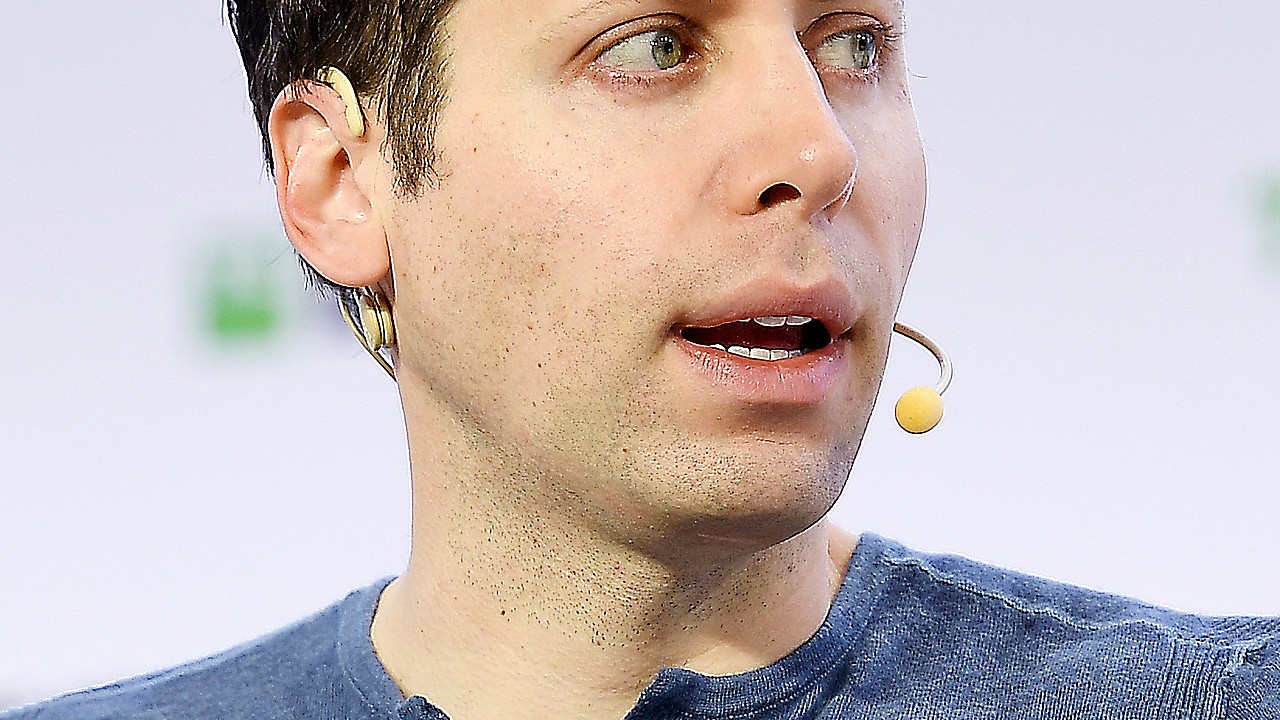
Ilya Sutskever is standing by his vote to remove Sam Altman as OpenAI’s CEO during the company’s tumultuous leadership crisis, saying he acted out of concern for OpenAI’s survival. “I didn’t want it to be destroyed,” Sutskever said, according to a report by WIRED.
Sutskever, a cofounder and longtime research leader at OpenAI, was among the board members who moved to oust Altman. The decision set off a fast-moving internal and public fight that ended with Altman returning to the company days later, after employees and partners pushed back and OpenAI’s governance structure was reshaped.
The remarks revisit one of the most consequential corporate blowups in the modern tech sector, one that rattled OpenAI’s workforce, shook confidence among its outside partners, and briefly put the future of the organization in doubt. Sutskever’s comments also underscore how deeply divided OpenAI’s leadership was at the time over how the company should be run and what its responsibilities are as it builds widely used artificial intelligence systems.
The episode continues to matter because OpenAI sits at the center of a global race to develop and deploy advanced AI tools, including systems used by businesses, governments, and consumers. Decisions made by OpenAI’s leaders affect product roadmaps, research priorities, safety approaches, and partnerships that influence how quickly and broadly AI capabilities spread.
The renewed attention comes amid broader legal and political scrutiny of OpenAI and its relationships, including court proceedings in which key figures in the tech industry have been asked about the events surrounding Altman’s firing and the company’s structure. Recent coverage has highlighted testimony and reporting tied to a high-profile trial involving Elon Musk, with Microsoft CEO Satya Nadella among those appearing in court.
Nadella’s role has drawn interest because Microsoft is a major OpenAI partner and investor, and because Altman’s temporary removal raised questions about operational continuity and governance at a company whose technology is woven into widely distributed products. Separately, reporting has described the internal turmoil that followed the board’s move, including Sutskever’s withdrawal from public view in the immediate aftermath.
For OpenAI, the central issue remains trust: trust inside the organization, among its partners, and in the public debate over how AI should be developed and controlled. Sutskever’s insistence that he acted to prevent OpenAI from being “destroyed” reflects the high-stakes framing that surrounded the board’s decision, even as the outcome ultimately reversed it.
What happens next is likely to play out on two tracks: continued scrutiny of OpenAI’s governance and business arrangements through ongoing reporting and legal proceedings, and continued competition in the AI industry as OpenAI and rivals release new models and products. The leadership rupture may be in the past, but the questions it raised about oversight and accountability are not.
Sutskever’s statement adds another clear marker to the record of a crisis that reshaped OpenAI—and remains a touchstone for debates about who should control the direction of powerful AI systems.