Tanker Traffic In Strait Of Hormuz Slows After Iranian Strikes
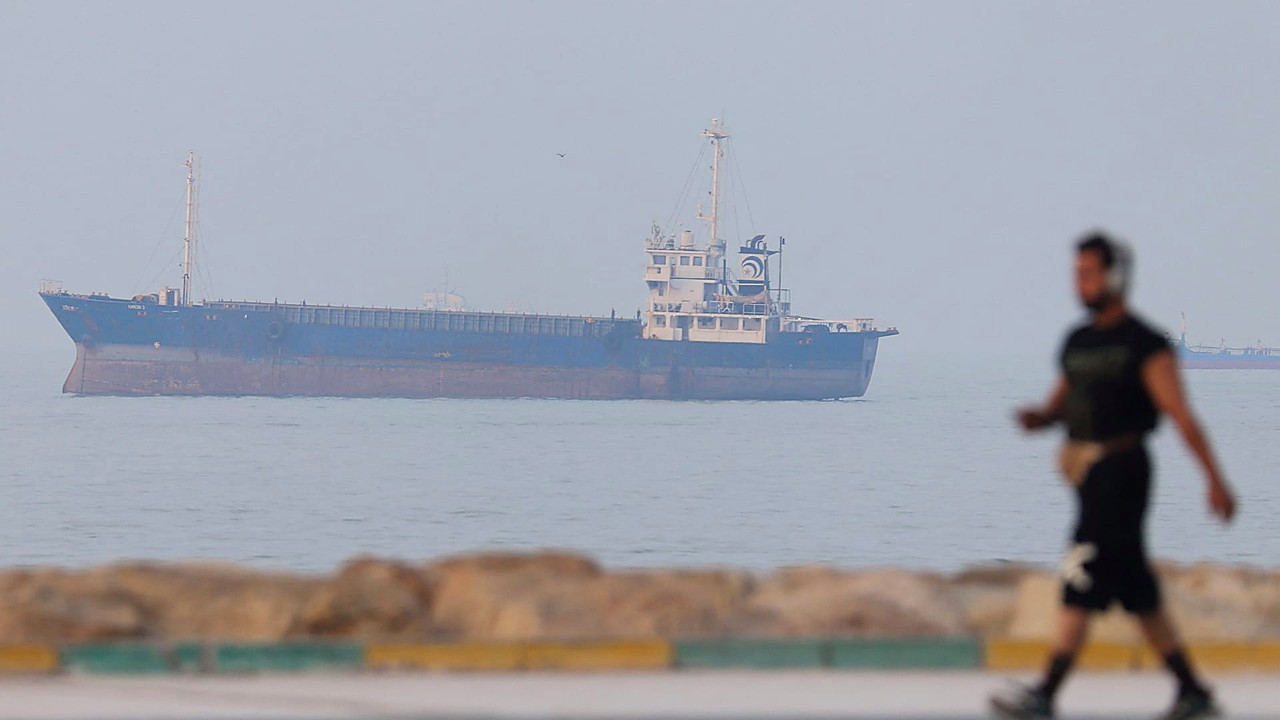
Commercial tanker traffic through the Strait of Hormuz slowed after Iranian attacks set off renewed fighting with the United States, raising new concerns about the security of one of the world’s most critical oil-shipping routes.
The Strait of Hormuz, a narrow passage connecting the Persian Gulf to the Gulf of Oman, is a key chokepoint for energy exports. In recent reports, the slowdown in tanker movements came as fighting intensified following Iranian attacks and subsequent U.S. military action, according to multiple news accounts.
The latest escalation includes U.S. strikes on Iran for a second night, and additional fresh strikes reported as Tehran issued warnings of retaliation. Separately, reports described attacks in the Persian Gulf as the broader U.S.-Iran conflict widened, increasing uncertainty for commercial shipping operating near the strait.
The slowdown matters because any disruption around Hormuz can quickly affect global energy flows, insurance costs, freight rates, and the broader supply chain. Even limited slowdowns can ripple through markets when shippers delay transits, reroute vessels, or pause operations while assessing risk.
The development also adds another layer of uncertainty to an already fragile global economic picture, with heightened tensions in the region complicating the outlook for energy prices and inflation-sensitive sectors. Energy importers, refiners, and major shipping operators closely watch the strait for signs of sustained disruption.
Iran has also threatened to close the Strait of Hormuz amid U.S. tensions, according to one report. While no closure was confirmed in the available information, the threat itself underscores the leverage the waterway holds in any broader conflict involving the Persian Gulf.
What happens next will depend on military and diplomatic decisions in the hours and days ahead, including whether additional strikes occur and whether maritime security conditions stabilize enough for tanker traffic to return to more normal patterns. Shipping firms will continue to weigh operational risk, while governments and navies monitor the corridor for further attacks.
For now, the slowdown through the Strait of Hormuz stands as a concrete sign of how quickly intensifying U.S.-Iran hostilities can disrupt global commerce in a region that remains central to the world’s energy trade.