The Science Behind the Recent Surge in Mental Health Issues
Changes in Social Connections
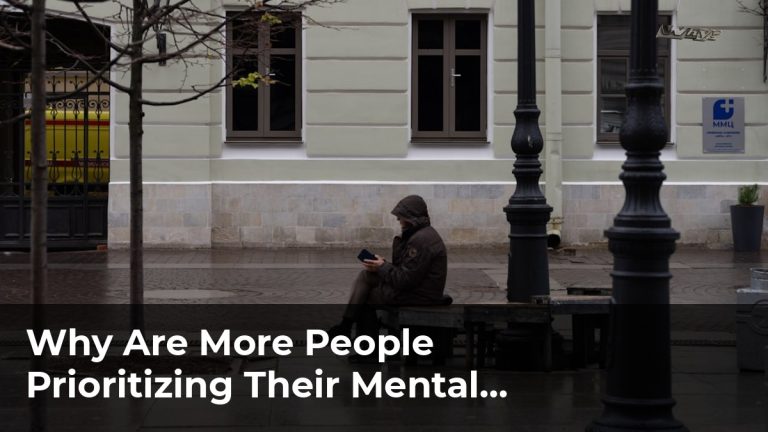
In recent years, many people have experienced a shift in how they connect with others. Traditional face-to-face interactions have decreased, often replaced by digital communication. While technology offers convenience, it sometimes lacks the depth and emotional richness that in-person relationships provide. This change can lead to feelings of loneliness or isolation, which are important factors contributing to mental health challenges.
Impact of Global Events
Global events, such as pandemics or economic downturns, can create widespread uncertainty and stress. These situations often disrupt daily routines, increase financial worries, and reduce access to support systems. The cumulative effect of such stressors can contribute to heightened anxiety, depression, and other mental health concerns among diverse populations.
Increased Awareness and Diagnosis
Part of the recent rise in reported mental health issues may be linked to improved awareness and better diagnostic practices. Mental health is now less stigmatized, encouraging more individuals to seek help and receive a diagnosis. This increased recognition means that conditions previously unreported or untreated are now being addressed, reflecting a more accurate picture of mental health in society.
Changes in Lifestyle and Environment
Modern lifestyles often involve less physical activity, irregular sleep patterns, and increased exposure to screens. These factors can negatively affect mental well-being. For example, disrupted sleep is closely linked to mood disorders, while sedentary habits can reduce the natural release of mood-enhancing chemicals in the brain. Environmental factors, including urbanization and noise pollution, may also play a role in increasing stress levels.
Economic Pressures
Financial concerns remain a significant source of stress for many individuals. Job insecurity, rising living costs, and economic instability can lead to chronic worry and feelings of helplessness. These economic pressures often intersect with mental health, as financial strain can limit access to resources like therapy or medication, creating a challenging cycle.
Role of Social Media
Social media platforms can influence mental health in complex ways. On one hand, they provide opportunities for connection and support. On the other hand, excessive use can lead to negative comparisons, cyberbullying, and information overload. The constant exposure to curated images and opinions may affect self-esteem and increase feelings of inadequacy or anxiety.
What Usually Helps
Addressing mental health concerns often involves a combination of approaches tailored to individual needs. Maintaining regular physical activity, establishing consistent sleep routines, and fostering meaningful social connections are foundational steps. Professional support, such as counseling or therapy, can offer guidance and coping strategies. Additionally, mindfulness practices and stress management techniques can help build resilience. It is important to remember that seeking help is a sign of strength, and many resources are available to support mental well-being.