Tillis Backs Senate Vote On Warsh As Next Federal Reserve Chair
Sen. Thom Tillis has ended his block of Kevin Warsh’s nomination to serve as chair of the Federal Reserve, clearing the way for the Senate to move forward on President Donald Trump’s pick to lead the central bank.
The development removes a key procedural obstacle that had been holding up Warsh’s confirmation process in the Senate. Tillis, a North Carolina Republican, had been preventing the nomination from advancing, and his decision now allows Senate leadership to take the next steps needed to bring Warsh to the floor.
Warsh is Trump’s nominee to become the nation’s top central banker, a role that sets the direction of U.S. monetary policy and carries significant influence over interest rates, inflation-fighting efforts, and the broader economy. The Fed chair also serves as the public face of the institution during moments of market volatility and economic stress, regularly testifying before Congress and communicating policy decisions to the public.
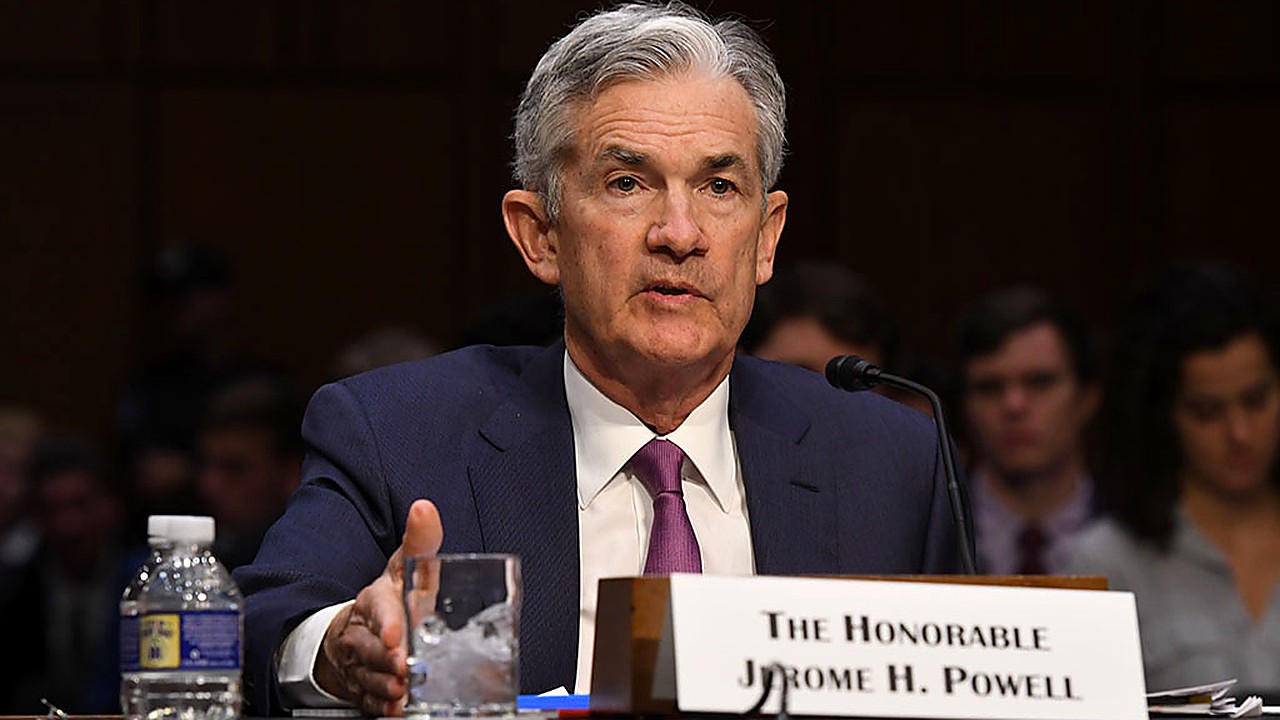
The shift comes alongside a separate, closely watched federal law enforcement decision involving the current Federal Reserve chair. Multiple outlets reported that the Justice Department has dropped its investigation into the Federal Reserve and Jerome Powell related to renovations, a move described as removing a hurdle for Warsh’s confirmation. Those reports framed the end of the probe as opening space for the confirmation process to proceed without a lingering legal cloud tied to the Fed’s leadership.
Together, the two developments sharpen focus on the transition at the top of the central bank. The Federal Reserve’s independence and credibility are closely monitored by investors, businesses, and lawmakers, particularly at a time when the Fed’s policy choices have direct consequences for borrowing costs on everything from mortgages and credit cards to corporate loans.
Warsh’s confirmation process is now positioned to accelerate. With the hold lifted, the nomination can move through the remaining steps that typically include committee action and a full Senate vote. The timeline will depend on Senate scheduling and whether additional procedural delays emerge, but Tillis’ move removes a major barrier that had prevented the nomination from advancing.
Attention now shifts to how quickly the Senate will act and what Warsh signals about his approach to the job if he is confirmed. The Fed chair’s policy framework influences expectations across financial markets and can shape the economic outlook well beyond Washington, affecting hiring decisions, consumer spending, and the pace of growth.
For now, the immediate change is procedural but consequential: a single senator’s decision has cleared the path for the Senate to take up a nomination that would put Kevin Warsh in charge of the institution that steers U.S. monetary policy.