Trump Again Shrinks Two Utah National Monuments
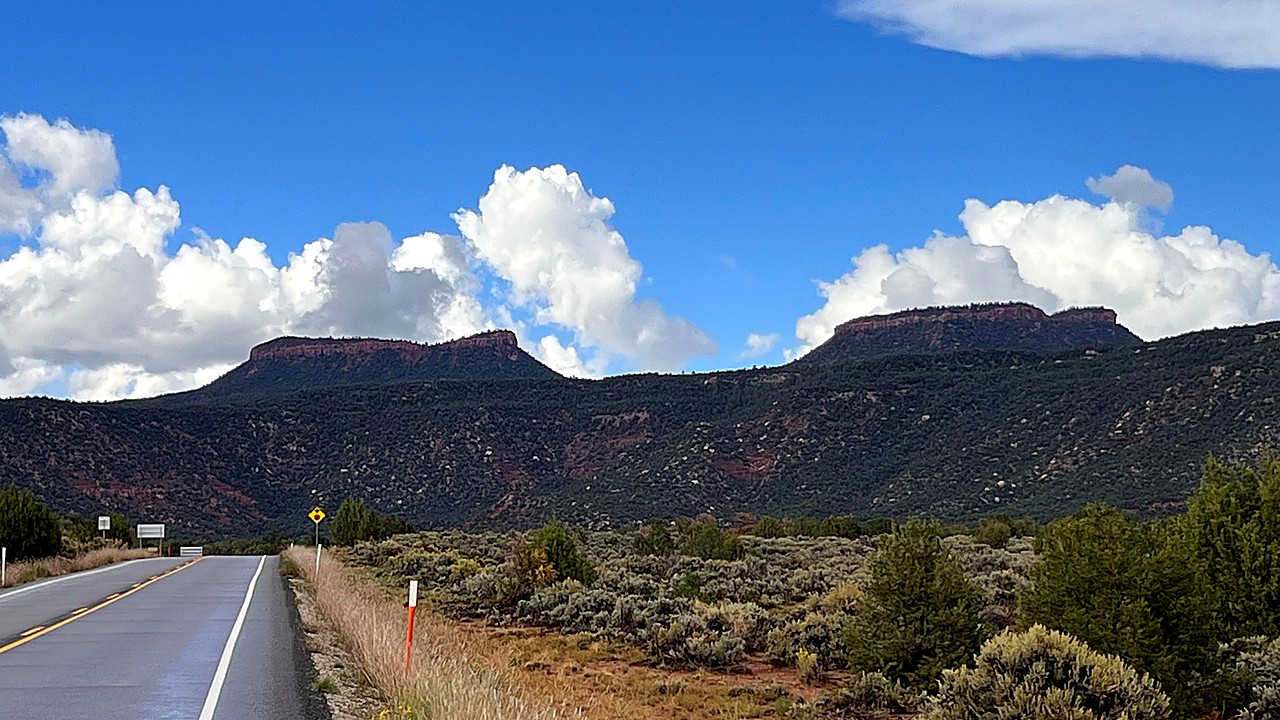
President Donald Trump has signed an order shrinking the boundaries of two national monuments in Utah, again reducing the size of Bears Ears and Grand Staircase-Escalante.
The move targets two federally protected landscapes in southern Utah that have been at the center of a yearslong political and legal fight over conservation, energy development, and public lands management. The monuments were created to preserve cultural sites, wildlife habitat, and distinctive desert terrain, and they draw visitors from around the country.
Bears Ears National Monument and Grand Staircase-Escalante National Monument were both established through presidential proclamations under the Antiquities Act. Trump’s new order reduces the acreage set aside for each monument, altering what land remains under the monuments’ special protections and what areas may be managed under different federal land-use rules.
The decision immediately revives disputes between the federal government, Utah officials, tribal nations, conservation groups, and industry interests. Supporters of the reductions argue that the original designations were too large and limited local economic activity. Opponents say shrinking the monuments threatens archaeological resources, sacred tribal lands, and wildlife corridors, and could open surrounding areas to more intensive uses.
This development matters because national monument boundaries shape how millions of acres of public land are managed, what activities are allowed, and what protections apply to cultural and natural resources. The Utah monuments have become a symbol of broader national debates about presidential power over public lands, the scope of the Antiquities Act, and whether future administrations can undo or rewrite protections created by their predecessors.
The order also carries political and practical implications for tourism, local communities, and federal agencies tasked with overseeing the land. Changes to monument boundaries can affect planning by the Bureau of Land Management and other agencies, influence infrastructure and access decisions, and set the stage for conflicts over grazing, mineral leasing, off-road vehicle use, and preservation of historic sites.
What happens next is likely to include legal challenges and administrative steps to implement the new boundaries. Any litigation would test the limits of a president’s authority to reduce existing national monuments, an issue that has been contested for years. Federal land managers will also have to update maps, management plans, and guidance to reflect the new designations and determine how rules apply within the revised borders.
The reductions return Bears Ears and Grand Staircase-Escalante to the center of a national battle over how the United States balances conservation and development on its public lands, with the next decisions now headed to the courts and federal agencies.