Trump Threatens South Pars Strike If Iran Targets Qatar Energy
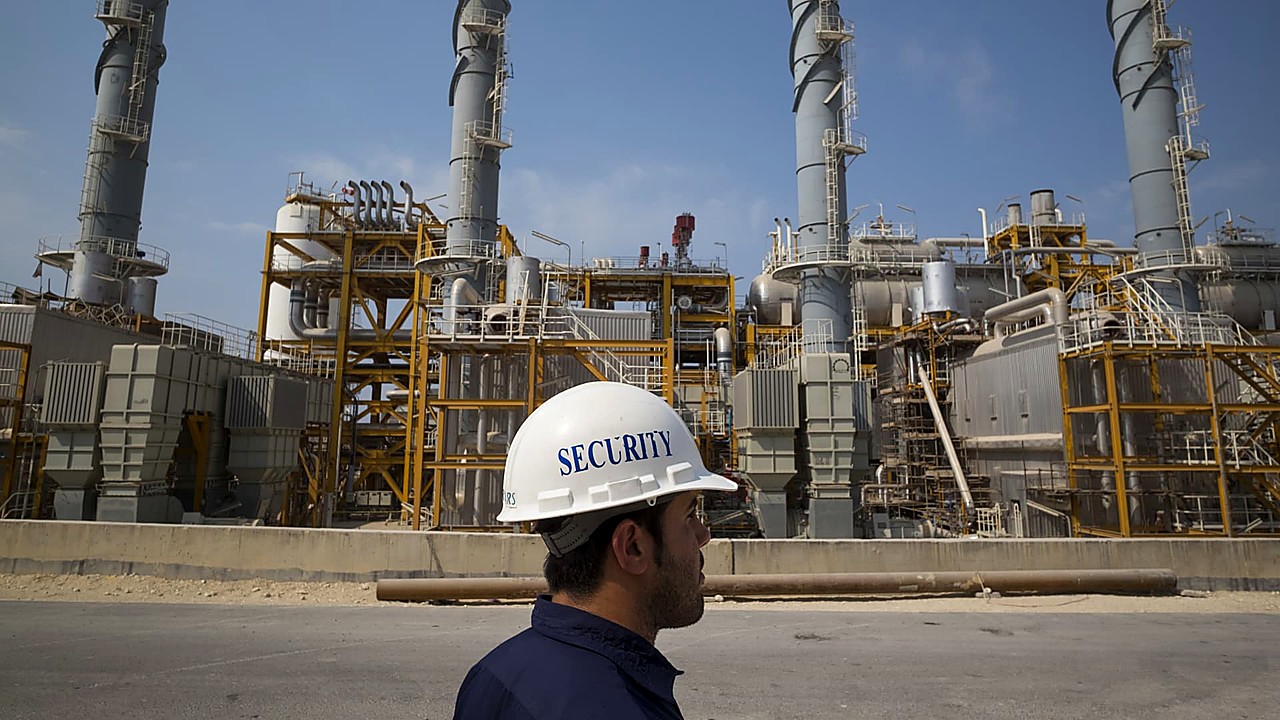
Former President Donald Trump issued a warning that the United States could “blow up” Iran’s South Pars gas field if strikes against Qatar’s energy infrastructure continue, according to multiple published reports.
Trump’s comments were reported by outlets including CNBC and the National News Desk, which described his warning as a response tied to attacks affecting energy assets linked to Qatar. South Pars, located offshore in the Persian Gulf, is widely described as the world’s largest natural gas field and is a critical piece of Iran’s energy system.
The warning comes as the region faces heightened tension around energy infrastructure. Recent reports also describe strikes hitting the South Pars field and say Tehran has retaliated with further attacks. Other published accounts said Trump framed his message as a deterrent and signaled he would not hesitate to authorize overwhelming action if Qatar’s liquefied natural gas facilities are struck again.
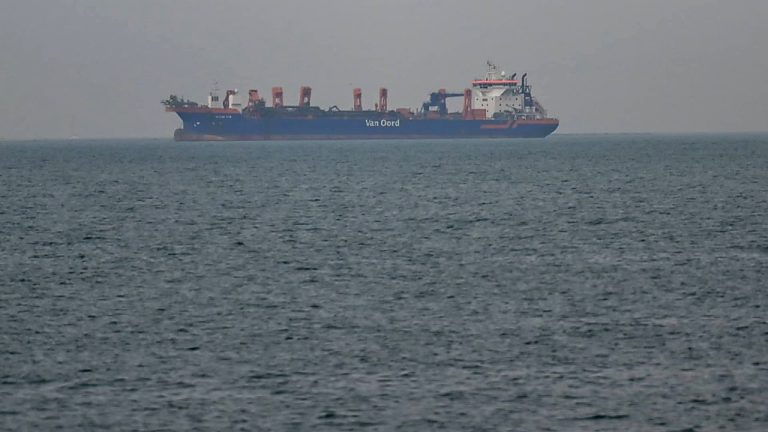
The statements place one of the world’s most strategically important gas sites at the center of an escalating security and energy crisis. South Pars is integral not only to Iran’s domestic energy supply but also to broader regional gas production, and any threat of large-scale military action around the field carries significant implications for global markets and shipping routes in and around the Persian Gulf.
This development matters because energy infrastructure in the region is tightly intertwined with global fuel prices, industrial supply chains, and national security planning. Any additional attacks on LNG facilities or major gas fields can reverberate far beyond the immediate area, affecting everything from electricity generation costs to broader inflation pressures. Reports about investors reassessing economic outlooks amid war-related oil and gas shocks underscore how quickly security developments can feed into market volatility.
The warning also raises the stakes diplomatically. A direct U.S. threat against a major Iranian energy asset would represent a sharp escalation in rhetoric at a moment when the security of key facilities is already being tested. It could influence how regional governments, energy companies, and international partners assess risk and adjust operations.
What happens next will depend on whether further strikes occur against Qatari energy infrastructure and whether additional attacks hit South Pars. Regional security measures around energy assets are likely to remain in focus as governments and companies monitor threats to production, processing, and export facilities. Any official responses from Iran, Qatar, or U.S. authorities will be closely watched for indications of de-escalation or further confrontation.
For now, Trump’s warning adds a new layer of uncertainty around already strained energy and security conditions in one of the world’s most critical fuel-producing corridors.