Trump Urges China, Allies To Help Secure Strait Of Hormuz
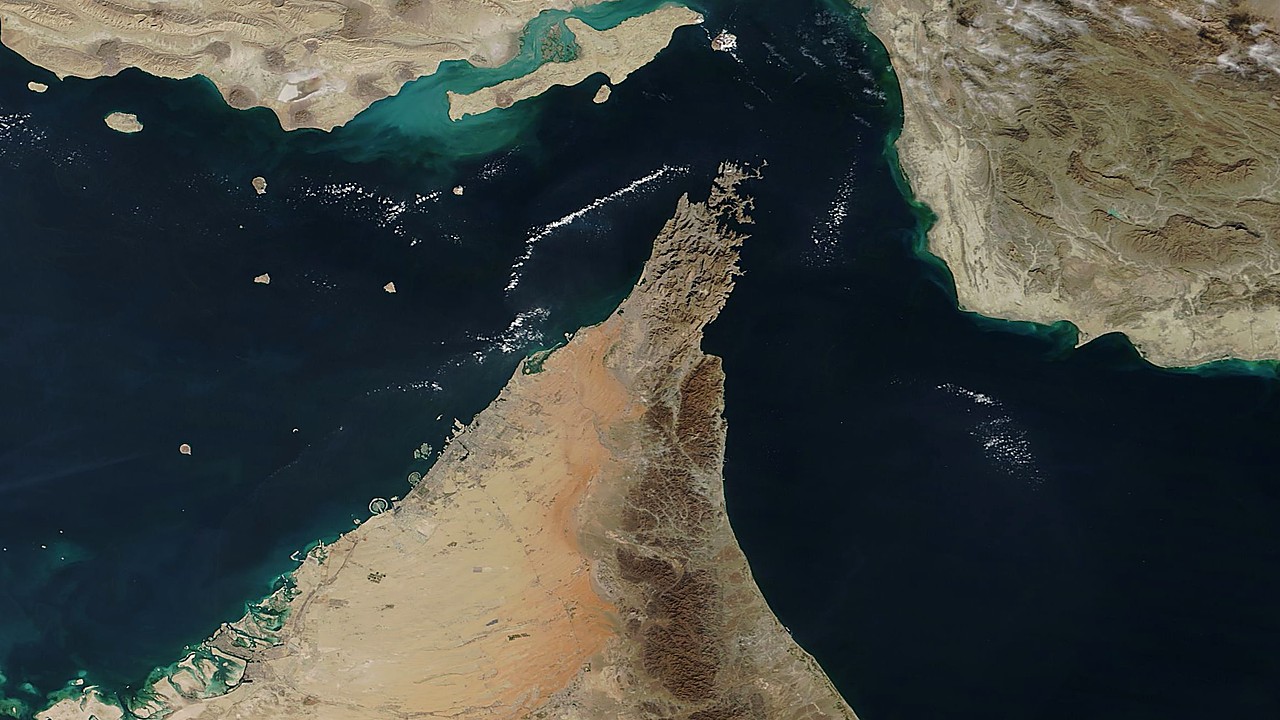
Former President Donald Trump urged China and U.S. allies to help address a crisis in the Strait of Hormuz, calling on other nations to take part in efforts to keep the key shipping corridor open as tensions involving Iran dominate global security and energy concerns.
Trump’s comments, reported across multiple outlets, centered on sending international naval support to protect commercial traffic through the strait, a narrow passage that carries a significant share of the world’s seaborne oil and other cargo. He said other countries should help reopen or secure the route and suggested that a broader coalition would be appropriate given how many economies depend on the waterway.
The Strait of Hormuz sits between Iran and Oman and is a critical chokepoint for tanker traffic moving from the Persian Gulf to global markets. Any disruption can quickly affect energy prices and shipping insurance costs, and can trigger wider economic ripple effects for consumers and industry.
In response to the international attention, Iran’s foreign minister was quoted in one report as saying the route was closed only to “enemies,” language that underscores how contested and politically charged the situation has become. Other coverage described Iran as vowing retaliation, adding to fears that the standoff could deepen.
Trump’s push for outside participation drew a muted response in early reports. Several headlines described reluctance among nations to commit warships or sign on to escort operations, reflecting the diplomatic and operational hurdles involved in mounting a multinational naval presence in a region already crowded with military assets.
The development matters because the Strait of Hormuz is not only an energy lifeline but also a flashpoint where misunderstandings can escalate quickly. Naval escorts, maritime patrols, and the movement of heavily armed vessels increase the stakes of any encounter. At the same time, shipping companies, energy traders, and governments often look for immediate signals about how secure the route is, and who is prepared to take responsibility for keeping it open.
Trump’s call also highlights the broader question of burden-sharing in international security. By urging China and allied nations to take part, he framed the strait as a shared global interest rather than a problem for the United States alone, even as international coordination on military deployments can be difficult and politically sensitive.
What happens next will depend on whether governments publicly commit ships or other support to escort missions and maritime security operations, and how Iran responds in its own statements and actions regarding access through the strait. Continued diplomatic exchanges, military planning, and reassessments by commercial shippers are likely as the situation evolves.
For now, the focus remains on whether any multinational effort can take shape quickly enough to reassure global markets and reduce the risk of a wider confrontation centered on one of the world’s most strategically important waterways.