U.S. And Iran Seize Ships As Hormuz Naval Standoff Grows
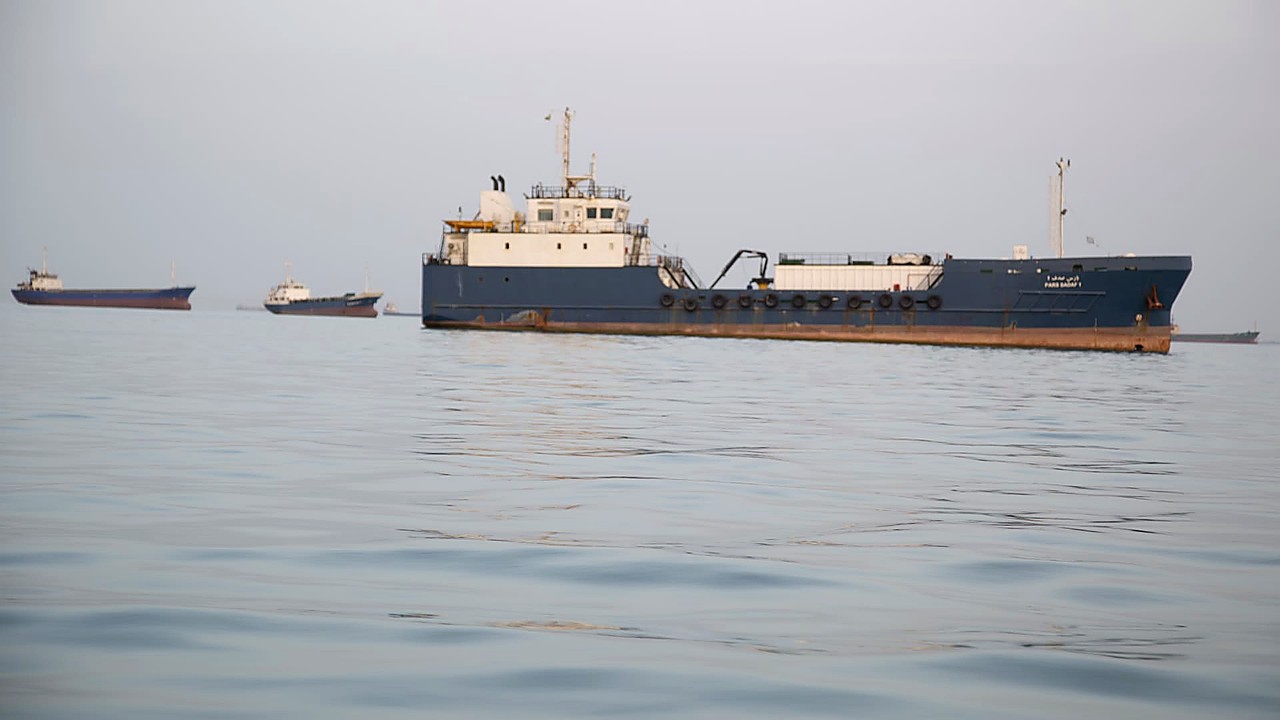
A widening U.S.-Iran conflict shifted into a naval standoff near the Strait of Hormuz after both countries seized ships in and around the critical shipping corridor, raising the risk of further confrontations at sea and potential disruption to commercial traffic.
Iranian forces seized two cargo ships near the Strait of Hormuz, Iranian state media reported. The reported seizures came hours after President Donald Trump extended a cease-fire, according to the same reports. Separate reports said the U.S. Navy seized an Iranian-flagged cargo ship as tensions intensified.
The incidents unfolded in waters that serve as one of the world’s most important maritime chokepoints, linking the Persian Gulf to the Gulf of Oman and beyond. The area is heavily transited by cargo vessels and energy shipments, and it is routinely patrolled by regional and international naval forces.
The ship seizures mark a notable escalation in the maritime dimension of the conflict. Rather than being confined to strikes and counterstrikes, the confrontation is increasingly centered on control, access, and enforcement actions at sea. With vessels being taken by both sides, the potential for miscalculation increases, particularly in a crowded operating environment where naval units may operate in close proximity to commercial shipping.
The developments matter because the Strait of Hormuz is a strategic corridor where military action can quickly spill into broader consequences for global trade and maritime security. Even limited incidents can prompt rerouting, heightened insurance costs, and delays for shippers. They can also draw in additional naval deployments, raising the stakes for an already volatile situation.
The reported timing—occurring after a cease-fire extension—underscores how difficult it can be to stabilize conditions when maritime enforcement actions continue. Seizures can become leverage in negotiations, but they can also harden positions and complicate de-escalation efforts, particularly if crews are detained or vessels are held for extended periods.
Next steps will depend on how both governments respond publicly and operationally to the ship seizures. Any confirmation of the vessels’ identities, locations, cargoes, and the status of their crews would shape the diplomatic and military fallout. Maritime authorities and shipping operators are also likely to monitor the area closely as they assess safety and continuity of transit.
Further developments are expected as additional information emerges from official sources and as naval operations continue around the strait. For now, the conflict’s center of gravity is increasingly at sea, with each new seizure adding pressure to one of the world’s most sensitive waterways.