U.S. Grants India 30-Day Waiver To Buy Russian Oil
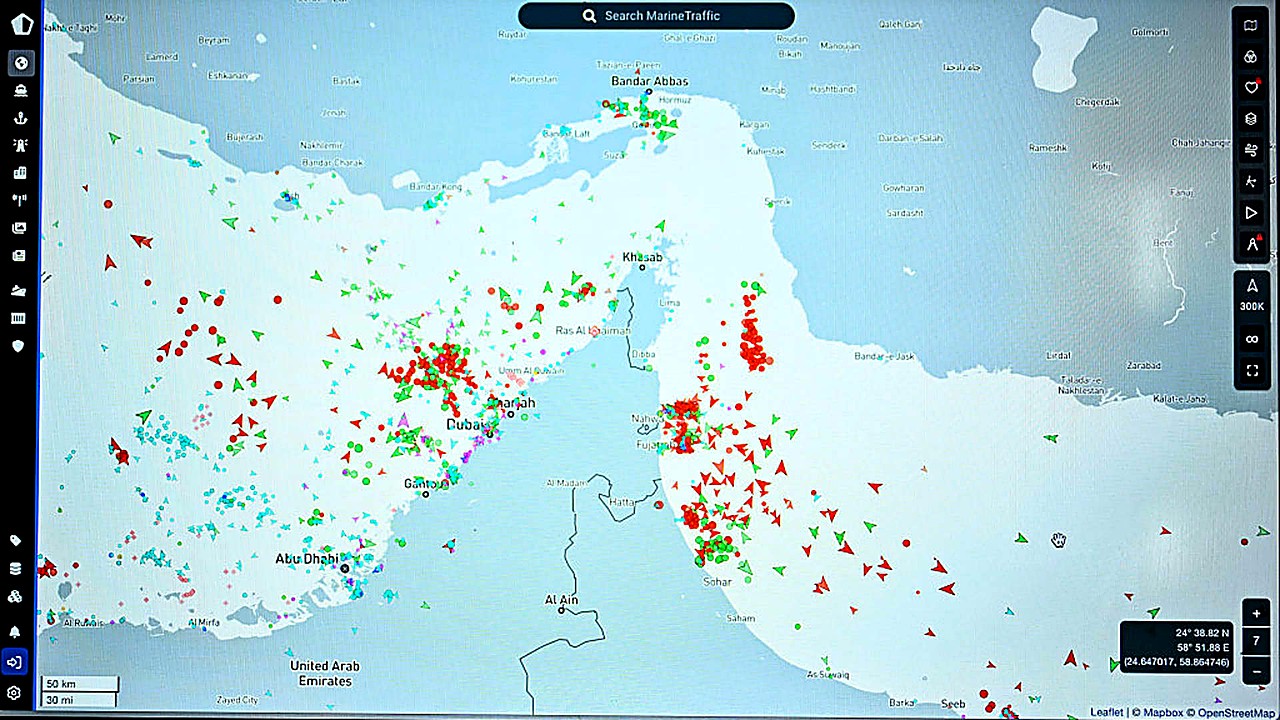
The United States has offered India a 30-day waiver allowing it to continue buying Russian oil, a move that comes as the war involving Iran adds fresh uncertainty to global energy supplies.
The waiver is aimed at Indian oil purchases from Russia and is designed as a temporary measure. It comes amid heightened concern about energy market stability as the Iran conflict deepens, raising questions about how reliably crude oil can move through the region and reach major importers.
India is one of the world’s largest oil consumers and relies heavily on imports to meet domestic demand. In recent years, Russian crude has been a significant source for Indian refiners, and any abrupt disruption in access can have immediate consequences for refinery operations and fuel availability.
The waiver gives Indian refiners short-term room to manage procurement and logistics while the broader geopolitical picture remains unsettled. It also signals Washington’s recognition of the practical challenges facing key partners when supply risks rise, even as U.S. policy has generally sought to restrict the flow of revenue to Russia from energy exports.
The development matters because it touches three pressure points at once: energy security, sanctions policy, and the ability of major economies to keep fuel markets stable during conflict. When supply worries intensify, governments and companies often shift to more reliable or readily available sources, and short-term permissions like a waiver can shape buying decisions quickly.
For India, the decision lands at a moment when the Iran conflict is also affecting the country in ways beyond crude procurement. Separate reporting has highlighted how the conflict can hit India at home through fuel costs and remittances, reflecting the broader economic exposure that comes with deep ties to the Gulf region.
Oil markets have reacted to the waiver-related headlines, with reports noting price declines as the temporary relief for Indian buying adds an element of near-term clarity for one large buyer. That dynamic underscores how policy decisions can influence expectations about demand and supply balances even without any physical change in production.
What happens next is likely to hinge on whether the waiver is extended, amended, or allowed to expire after 30 days. Indian refiners will need to plan for multiple scenarios, including a return to tighter restrictions or continued flexibility, while monitoring supply conditions tied to the Iran conflict.
The United States, for its part, will face a balancing act between sanction enforcement objectives and the desire to avoid additional turbulence in energy markets at a time when geopolitical risk is already elevated.
The 30-day window now sets a short, clear timeline that will force decisions quickly for both governments and the companies that keep oil flowing.