U.S. Navy Blockade Of Iran Enters Fourth Day In Gulf Waters
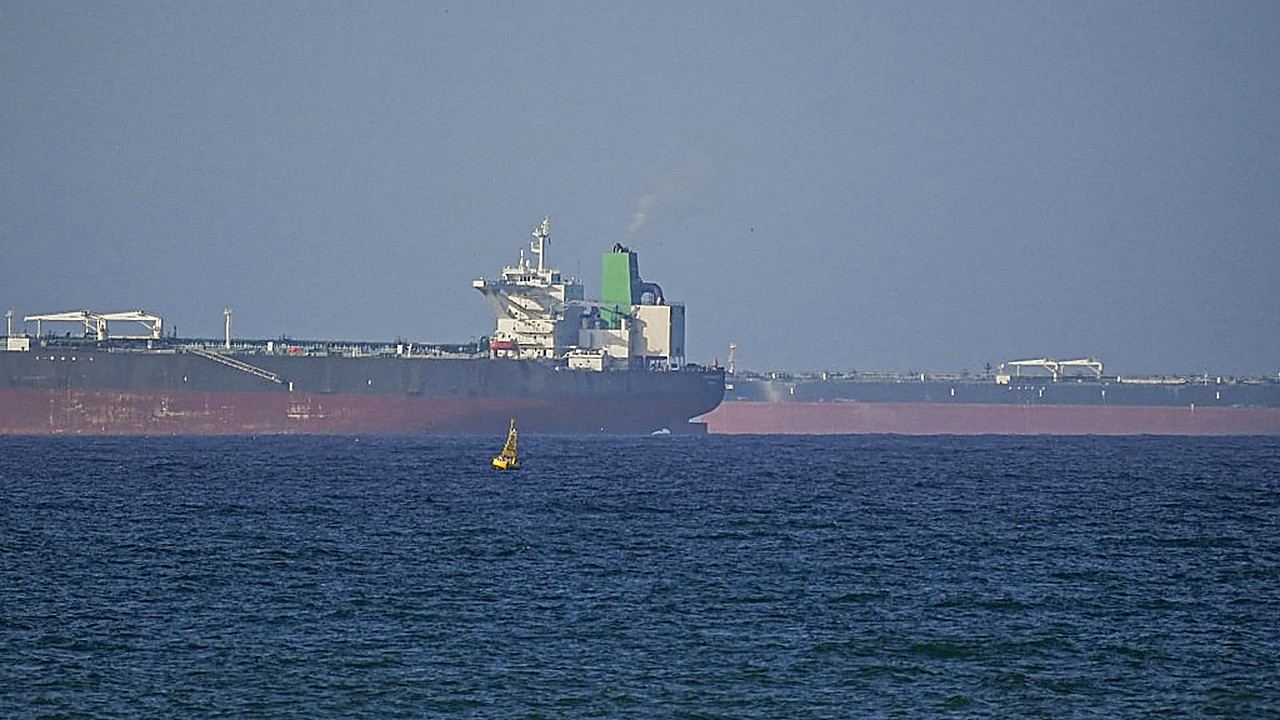
The U.S. Navy’s blockade of Iran entered its fourth day, with tanker and commercial vessel movements through the Strait of Hormuz continuing under heightened scrutiny as Washington says the operation is now fully implemented.
U.S. officials have described the action as a blockade aimed at Iranian ports, carried out by U.S. naval forces positioned to control access through the Strait of Hormuz, the narrow waterway linking the Persian Gulf to the Gulf of Oman and the Arabian Sea. The strait is one of the world’s most important maritime chokepoints for oil and fuel shipments.
Multiple reports on Monday indicated that some tankers and other ships have continued transiting the strait even as the blockade remains in effect. Other vessels have altered course or turned around, according to accounts describing shifts in commercial traffic patterns since the operation began.
The blockade follows the failure of peace talks, according to reporting that has framed the current posture as an effort to tighten pressure on Iran by limiting maritime access tied to its ports. In Washington, the U.S. has said the blockade is fully implemented, while President Donald Trump has weighed the possibility of additional talks with Iran, CBS News reported.
The fourth day milestone matters because of the strait’s central role in global energy logistics and the risk that any sustained disruption can quickly ripple through shipping schedules, insurance decisions, and regional maritime security planning. Even modest changes in tanker routing or the pace of transits can affect delivery timelines for crude oil and refined products moving out of the Gulf.
For Iran, the stated objective of choking off port access is a direct escalation in economic pressure, targeting seaborne trade and the movement of goods. For shipowners and cargo interests, the immediate concern is operational: whether vessels can safely transit, whether clearances will be delayed, and whether companies will decide to pause or divert sailings.
The latest tanker traffic picture, as described in the day’s coverage, remains mixed. Some vessels are still going through the Strait of Hormuz, while other ships have not proceeded as originally planned. Newsweek and other outlets reported instances of Chinese-linked ships being turned around, while other accounts have varied on how much traffic moved during the earliest hours of the operation.
The next phase will hinge on U.S. enforcement posture and any diplomatic decisions coming out of Washington and Tehran. Continued naval operations would likely keep ship routing decisions in flux, while any movement toward renewed talks could shift the tenor of maritime activity and the level of commercial risk ship operators are willing to accept.
For now, the blockade remains in place on day four, and tanker traffic through the Strait of Hormuz is continuing under the shadow of a U.S. operation that is reshaping how ships move in and out of the Persian Gulf.