U.S. Revokes Authorization for Iran Oil Sales After Attacks
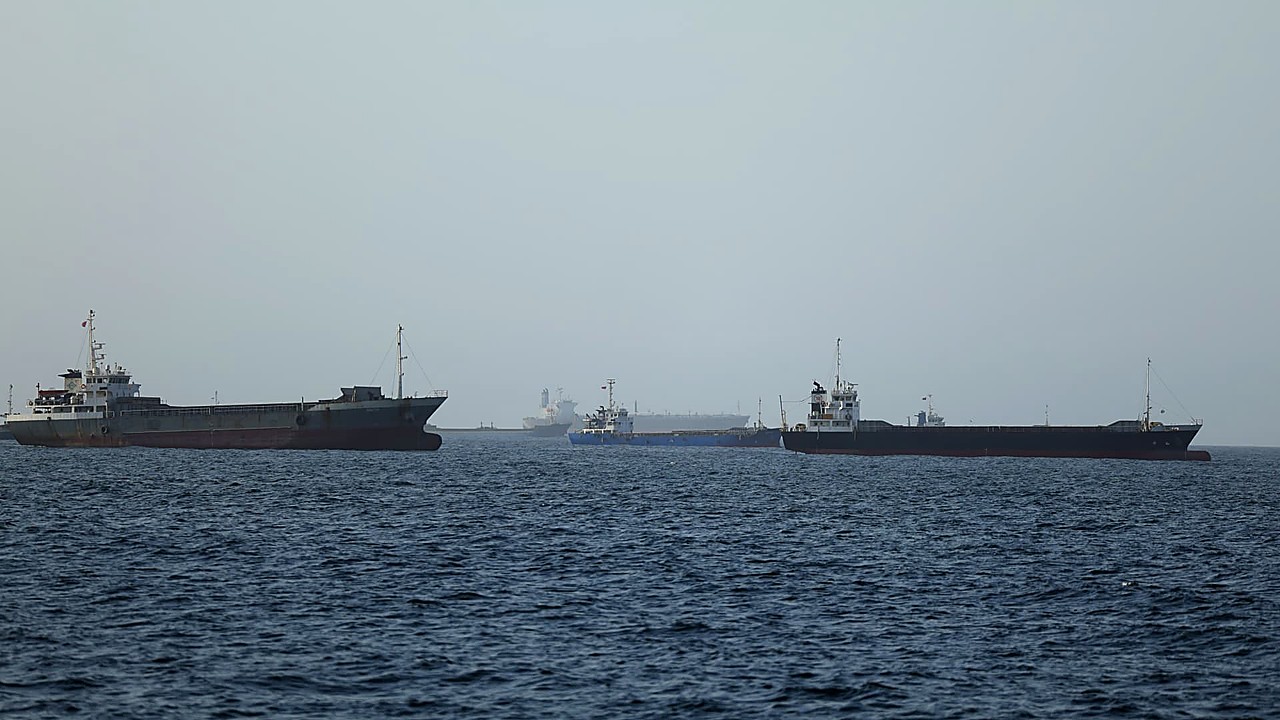
The United States has revoked an authorization that had allowed Iranian oil sales after attacks on commercial tankers in the Strait of Hormuz, according to U.S. officials.
The move ends a U.S. license that permitted those oil transactions and follows a series of incidents targeting shipping in and around one of the world’s most important energy corridors. The Strait of Hormuz sits between Iran and Oman and serves as a critical passageway for crude oil and petroleum products moving from the Persian Gulf to global markets.
U.S. officials described the tanker attacks as unacceptable and linked the decision to revoke the authorization to the deterioration in maritime security conditions in the waterway. The administration’s action effectively tightens U.S. restrictions on Iran’s ability to sell oil under the terms that had been allowed by the prior authorization.
The decision is significant because Iranian oil sales, shipping security, and enforcement of sanctions are closely watched by energy traders, refiners, and governments. Any step that narrows the channels for Iranian oil exports can affect how supplies are sourced and insured, even without immediate changes in production.
It also raises the stakes for commercial operators transiting the region. The Strait of Hormuz is a narrow chokepoint, and disruptions or heightened risk perceptions can increase shipping costs, complicate routing decisions, and raise concerns about broader regional stability.
U.S. policy on Iran has long combined sanctions pressure with efforts to deter actions that threaten international navigation. Revoking the authorization underscores an intent to use financial and legal tools in response to attacks on civilian maritime traffic, placing additional constraints on transactions tied to Iranian oil.
What happens next will center on implementation and enforcement. U.S. agencies are expected to communicate the change in licensing status to relevant parties and clarify compliance expectations for companies that may have relied on the authorization. Firms involved in shipping, trading, and financial services typically review exposure and adjust contracting, payments, and cargo plans when U.S. restrictions change.
Diplomatically, the development is likely to feed into wider discussions among U.S. partners about maritime security in the region. Recent reporting has highlighted allied consideration of additional coordination to protect commercial shipping lanes as tensions rise around the Strait.
For markets and policymakers, the immediate focus will be on whether tanker traffic continues without further incidents and how quickly businesses shift away from transactions that had been covered by the revoked authorization. The U.S. move marks a sharper line on Iran-related oil activity at a moment when shipping safety in the Strait of Hormuz has become a central international concern.