UAE Fast-Tracks Second West-East Oil Pipeline Bypassing Hormuz
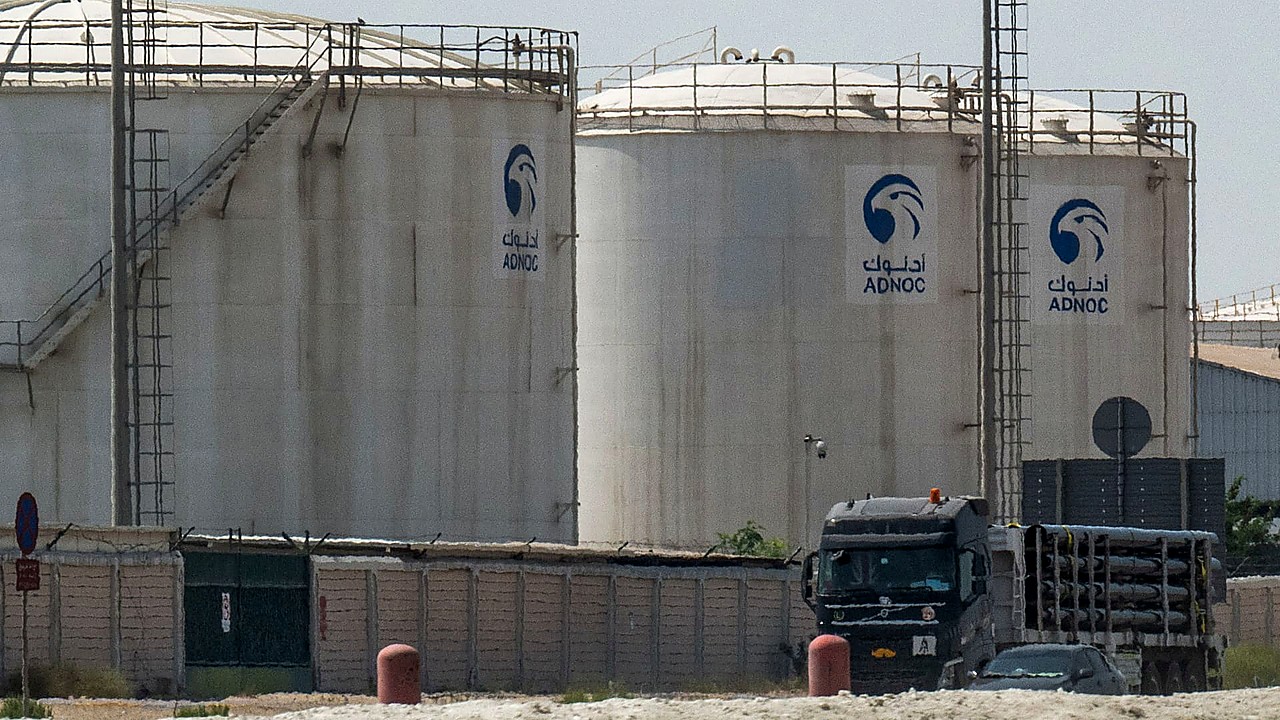
The United Arab Emirates is fast-tracking construction of a second West–East oil pipeline aimed at bypassing the Strait of Hormuz, a critical chokepoint for global energy shipments, according to recent reports from Reuters and CNBC.
The project would add another route to move crude across the country from production areas to export facilities outside the Strait, reducing reliance on passage through Hormuz for seaborne shipments. The UAE already operates a West–East pipeline system, and the new effort is framed as an expansion designed to boost bypass capacity.
The development centers on Abu Dhabi’s push to expedite construction and increase the volume of oil that can be transported through domestic infrastructure to ports that do not require tankers to transit the Strait of Hormuz. Reports describing the plan emphasize faster timelines and expanded capacity, positioning the project as a major logistical move by one of the world’s key oil producers.
The Strait of Hormuz is one of the most strategically important maritime corridors for oil. Any shift that allows additional crude exports to avoid that route is closely watched by energy markets, major importers, and governments focused on supply reliability. By accelerating a second pipeline, the UAE signals a priority on building redundancy into its export network and strengthening its ability to maintain flows even when maritime risks rise.
For the UAE, the pipeline is also a strategic infrastructure investment that can provide flexibility in where and how it exports crude. Expanding overland transport capacity can support export continuity and could also influence how the country manages shipping schedules, storage, and blending operations at terminals outside the Strait.
The reports come amid heightened attention on regional security and shipping concerns. While the details of the buildout, including final capacity numbers and completion timelines, were not fully laid out in the related headlines, the direction is clear: the UAE is moving to accelerate the project and increase its ability to route oil exports away from Hormuz.
Next steps are expected to focus on execution: advancing engineering and construction work, aligning pipeline and terminal infrastructure, and coordinating operational planning for integration with existing export systems. Any official announcements on project specifications, cost, or target start dates would provide further clarity on how quickly additional bypass capacity could come online.
For global oil markets, the significance lies in resilience. Infrastructure that reduces exposure to a single transit point can lower the operational risk around exports from the Gulf, particularly when tensions or incidents raise concerns about maritime disruption.
The UAE’s decision to fast-track a second West–East pipeline underscores how central export security and route diversification have become for major energy producers operating near one of the world’s most sensitive waterways.