Warsh Faces Senate Panel On Fed Nomination Amid Inflation Debate
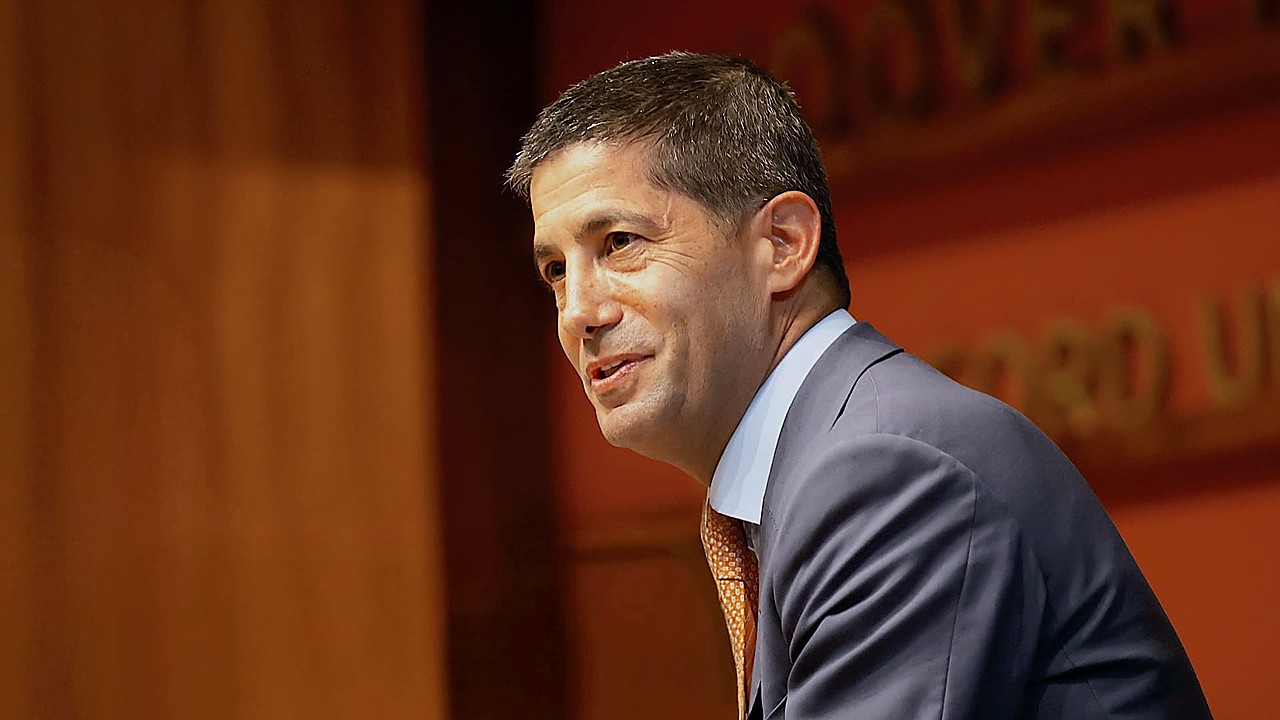
Kevin Warsh, President Donald Trump’s nominee to serve as chair of the Federal Reserve, is scheduled to appear before the Senate on Tuesday for a confirmation hearing that will put his views on interest rates, inflation, and the central bank’s independence under a spotlight.
The hearing will give lawmakers their first formal opportunity to question Warsh directly about how he would lead the Fed, which sets short-term interest rates and plays a central role in managing the nation’s economic growth and inflation. A successful hearing would move Warsh closer to confirmation and the start of a tenure overseeing monetary policy at a time of intense political scrutiny.
Warsh is expected to face questions from senators about the path of interest rates and how he would approach decisions on whether to cut or hold rates. Lawmakers are also likely to press him on how he would weigh inflation risks against concerns about slowing growth, and what benchmarks he would use to judge whether policy is too tight or too loose.
The relationship between the White House and the Fed is also set to be a major focus. Trump has publicly signaled he wants lower interest rates, and senators are expected to question Warsh about how he would handle political pressure and maintain the Fed’s independence. The Fed is designed to operate separately from day-to-day politics, a structure intended to protect long-term economic stability and public confidence.
Another line of questioning is likely to focus on financial markets and regulation, including how Warsh would view the Fed’s responsibilities beyond rate-setting. The central bank also oversees key parts of the banking system and acts as a backstop in moments of financial stress. Senators frequently use confirmation hearings to test a nominee’s approach to supervision, crisis management, and how the Fed communicates with the public and markets.
The stakes are high because the Fed chair’s words and decisions can affect borrowing costs for consumers and businesses, from mortgages and credit cards to corporate loans. Markets also take cues from how a chair frames the balance between inflation control and economic support, and whether policy changes will be gradual or swift. A new chair can shift the tone and priorities of the institution even when decisions are made by committee.
Tuesday’s hearing matters not only for Warsh’s nomination but for the near-term direction of economic policy. Senators will be looking for clarity on how he would interpret current economic conditions and how he would guide the Fed’s next steps. They will also be watching for any commitments or statements that suggest a predetermined course for rates.
After the hearing, senators will have additional opportunities to submit written questions, a common part of the confirmation process. The nomination would then move toward a committee vote and, if advanced, a vote by the full Senate. The timing of those steps can vary depending on the committee schedule and how quickly lawmakers reach agreement.
By the end of Tuesday, Warsh’s testimony is expected to provide the clearest public preview yet of how he would lead the country’s most powerful economic institution if confirmed.