DIY Methods to Prevent Drain Clogs in Your Home
Drain clogs are one of the most common household plumbing problems. They not only cause inconvenience but can also lead to costly repairs if left unattended. Fortunately, many drain clogs can be prevented with regular maintenance and simple do-it-yourself methods. By adopting a few easy habits and preventative measures, you can keep your home’s drains running smoothly and avoid the frustration of blocked pipes.
Why Do Drains Get Clogged?
Understanding the root causes of drain clogs helps you effectively prevent them. Household drains typically get clogged due to the buildup of substances that don’t easily dissolve or pass through pipes. Some common causes include:
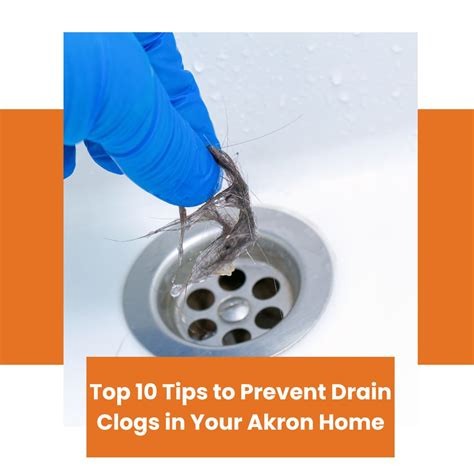
- Hair: Hair is a top culprit, especially in bathroom drains. It tends to tangle and mix with soap scum, forming thick clumps.
- Grease and Fat: Pouring cooking grease and fat down the kitchen sink can solidify inside pipes, trapping food particles and causing blockages.
- Soap Scum and Residue: Soap combines with minerals in water and forms deposits that accumulate inside drains.
- Food Waste: Without a garbage disposal, food scraps can easily clog kitchen drains.
- Foreign Objects: Items like cotton balls, dental floss, or paper towels can block pipes because they don’t break down easily.
- Mineral Buildup: Hard water deposits accumulate over time, narrowing pipes and slowing drainage.
Effective DIY Preventative Methods
Here are some practical, easy-to-follow methods you can implement at home to keep your drains clear and avoid clogs.
1. Use Drain Screens or Strainers
One of the simplest ways to prevent clogs is by using drain screens or strainers. These small mesh covers fit over your drain opening and catch hair, food particles, and other debris before they enter your pipes. Drain screens are inexpensive, easy to install, and available for bathroom sinks, shower drains, and kitchen sinks.
Regularly clean the strainers to remove trapped debris and prevent buildup. This simple step can significantly reduce the chance of clogs forming deep inside your plumbing system.
2. Proper Disposal of Grease and Oil
Never pour cooking grease or oil down your kitchen sink. When hot, grease is liquid, but once it cools, it hardens and sticks to pipe walls, causing blockages. Instead,:
- Collect grease in an empty container, such as a jar or can.
- Allow it to cool and solidify.
- Dispose of it in the trash.
If you accidentally pour grease down the drain, flush it with plenty of hot water immediately to help move it through the pipes before it can solidify.
3. Routine Hot Water Flushing
Flushing your drains with hot water regularly is a simple yet effective maintenance step. Hot water helps dissolve and break down grease, soap scum, and other residues before they can stick to your pipes.
To do this, boil a kettle or heat a large pot of water and pour it slowly down your drains once a week. Be cautious with PVC pipes and avoid boiling water if your pipes are old or damaged, using hot tap water as an alternative.
4. Use Natural Enzyme Cleaners
Commercial chemical drain cleaners can damage your pipes and the environment. Instead, try natural enzyme-based drain cleaners made from beneficial bacteria and enzymes that break down organic material inside pipes.
These products are eco-friendly and safe to use regularly. They help maintain clear drains by digesting hair, grease, and soap scum build-up. Follow the manufacturer’s instructions for best results.
5. Prevent Hair Build-Up in Bathroom Drains
Hair accumulation is a primary cause of bathroom drain clogs. Apart from using drain screens, there are additional steps you can take:
- Comb or brush your hair before showering to reduce shedding.
- Use a hair catcher specifically designed for shower or bathtub drains.
- Remove trapped hair regularly from the drain or strainer.
Being proactive in removing hair before it reaches the pipe can save you the hassle of clearing a clog later.
6. Avoid Flushing Non-Flushable Items
Items such as cotton swabs, sanitary products, paper towels, wipes labeled “flushable,” dental floss, and medications should never be flushed down the toilet. These materials do not disintegrate quickly and can create stubborn clogs.
Dispose of these items in the trash instead. Educate all members of your household on proper disposal methods to keep your plumbing system healthy.
7. Regular Maintenance with Baking Soda and Vinegar
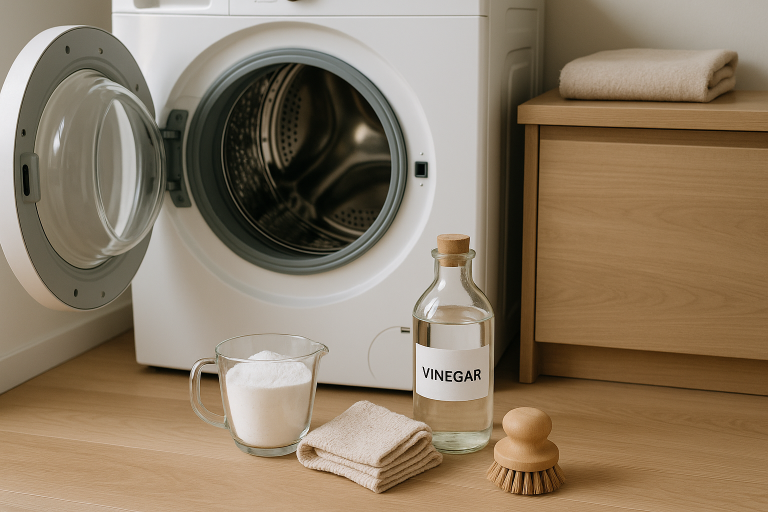
A classic home remedy for preventing mild buildup is a combination of baking soda and vinegar. This natural duo creates a bubbly chemical reaction that helps clear organic residues:
- Pour 1/2 cup of baking soda down the drain.
- Follow with 1/2 cup of white vinegar.
- Let the mixture fizz and sit for 15-30 minutes.
- Flush with hot water.
Perform this treatment once a month to maintain clear drains and reduce odors.
8. Avoid Excessive Use of Garbage Disposal
While garbage disposal units help break down food scraps, overloading them or disposing of inappropriate materials (like fibrous vegetables, coffee grounds, or grease) can clog the pipes.
Use garbage disposals sparingly, and avoid putting the following items down the disposal:
- Eggshells
- Potato peels
- Coffee grounds
- Grease and oil
Always run cold water when using the disposal to help flush debris down the drain.
When to Call a Professional
While many preventions and minor maintenance tasks can be handled yourself, some drain problems require professional plumbing expertise. If you notice persistent slow drainage, bad odors, frequent backups, or water pooling around drains, it may be time to consult a plumber.
Attempting to force a severe clog with harsh chemicals or plumbing tools without proper knowledge can cause pipe damage or worsen the situation.
Conclusion
Preventing drain clogs is much easier and cheaper than dealing with the aftermath of a severe blockage. By incorporating simple DIY methods such as using drain strainers, properly disposing of grease and food scraps, routinely flushing drains with hot water, and applying natural enzyme cleaners, you can keep your home’s plumbing running smoothly. Consistent maintenance paired with good habits is the key to long-lasting clog-free drains that save you time, money, and hassle.
Save on Pinterest