How to Keep Your Plumbing System Running Smoothly with Simple Home Maintenance
How to Keep Your Plumbing System Running Smoothly with Simple Home Maintenance
Maintaining a healthy plumbing system is essential for the comfort and functionality of any home. Ignoring plumbing upkeep can lead to costly repairs, water damage, or inconvenient disruptions. However, keeping your plumbing in good shape doesn’t require advanced skills or expensive tools—simple home maintenance tasks done regularly can make a significant difference. In this article, we’ll explore effective, easy-to-follow tips to ensure your plumbing system keeps running smoothly all year round.
1. Understand Your Plumbing System
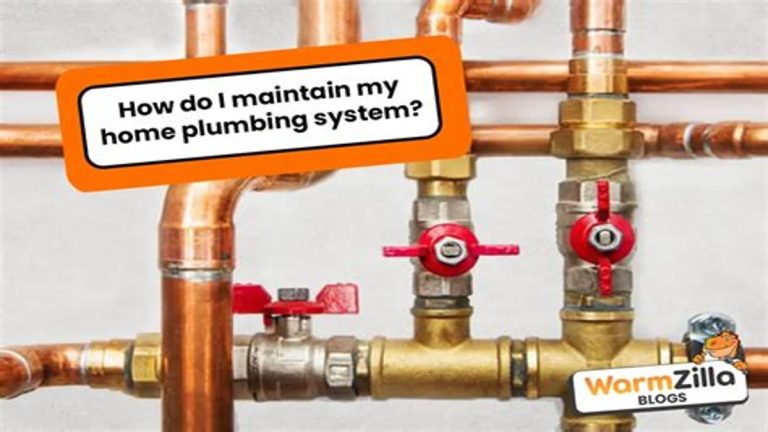
Before diving into maintenance, it’s helpful to have a basic understanding of how your home’s plumbing works. From the main water supply to the drains and vents, each component plays a key role. Familiarize yourself with the location of your water shut-off valve, water heater, and key access points for sinks, toilets, and appliances. Knowing this will help you act quickly in the event of leaks or emergencies.
2. Regularly Inspect for Leaks
One of the simplest yet most important maintenance activities is regularly checking for leaks. Even small drips can waste water and increase your bill, and unnoticed leaks can damage your home’s structure over time.
- Check faucets and showerheads: Look for drips or pooling water.
- Inspect toilets: Listen for running water or test by adding dye to the tank; if color appears in the bowl without flushing, you may have a leak.
- Look under sinks: Check pipes and connections for moisture or corrosion.
- Monitor your water meter: If you suspect hidden leaks, ensure no water is being used and check if the meter is still running.
Catching leaks early can prevent bigger problems and reduce water waste.
3. Clean Your Drains Regularly
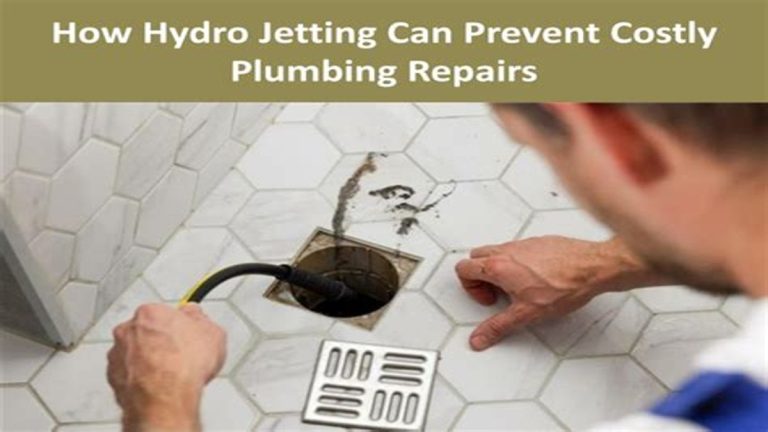
Clogged drains are a common plumbing issue. Avoid harsh chemical drain cleaners which can damage pipes, and instead opt for natural maintenance methods:
- Use a drain strainer: Place strainers over drains to catch hair, food particles, and debris.
- Flush drains with baking soda and vinegar: Pour half a cup of baking soda down the drain, followed by half a cup of vinegar. Let it sit for 15 minutes, then flush with hot water. This helps break down buildup and prevent odors.
- Boiling water: Regularly pouring boiling water down kitchen and bathroom drains helps dissolve grease and soap accumulation.
- Manual cleaning: Use a plunger or a plumber’s snake for slow drains before it becomes a full blockage.
4. Maintain Your Water Heater
Your water heater is a vital part of your plumbing system, supplying hot water throughout your home. Simple maintenance steps can extend its lifespan and optimize efficiency:
- Flush the tank annually: Sediment build-up can reduce heating efficiency and lead to damage. Drain a few gallons from the tank each year to remove sediment.
- Check the temperature: Set the thermostat to 120°F to save energy and reduce the risk of scalding.
- Inspect the pressure relief valve: Test it yearly to ensure it is functional, which keeps the tank operating safely.
5. Prevent Frozen Pipes
In colder climates, frozen pipes are a household plumbing nightmare. Here’s how to guard against them:
- Insulate exposed pipes: Use foam sleeves or insulation tape on pipes in unheated areas like basements or crawl spaces.
- Seal drafts: Weatherproof doors, windows, and cracks near plumbing to keep cold air away.
- Allow faucets to drip: When extreme cold hits, letting faucets drip slightly can prevent pressure from building and pipes from freezing.
- Open cabinet doors: Especially those under sinks during winter, to allow warmer air to circulate.
6. Be Mindful of What You Flush and Pour
Many plumbing headaches stem from inappropriate waste going down drains. Be vigilant about what enters your system:
- Avoid flushing non-degradable items: Do not flush wipes, sanitary products, cotton balls, or dental floss.
- Don’t pour grease or oil down kitchen sinks: These solidify in pipes and cause blockages. Instead, collect grease in a container for disposal.
- Dispose of harsh chemicals properly: Some cleaners can harm your pipes or septic system; follow disposal instructions carefully.
7. Schedule Professional Inspections
While many tasks can be handled on your own, professional inspections every few years provide a thorough assessment of your plumbing system. A licensed plumber can detect hidden issues, test water pressure, inspect sewer lines, and advise on upgrades or repairs.
Regular checkups help avoid emergencies and keep your plumbing efficient and safe.
8. Keep Plumbing Vents Clear
Plumbing vents allow air into the pipes to balance pressure and help water flow smoothly. Blocked vents can cause slow drains or gurgling sounds. Ensure vents on your roof are free from debris like leaves, nests, or snow.
9. Know How to Shut Off Water in Emergencies
Knowing how to quickly shut off your home’s water supply can prevent serious damage during leaks or pipe bursts. Locate your main shut-off valve and make sure everyone in the household knows where it is and how to operate it.
Conclusion
Simple, routine maintenance can greatly extend the life of your plumbing system and save you from costly repairs or frustrating emergencies. By regularly inspecting for leaks, keeping drains clear, maintaining your water heater, preventing frozen pipes, and practicing mindful usage, you ensure that your home’s plumbing runs efficiently and reliably. Remember, when in doubt, call a professional plumber to address complex issues confidently. Prioritizing these maintenance habits will keep your plumbing system flowing smoothly for years to come.