Microsoft Gaming Chief Sets No Tolerance Policy For Bad AI
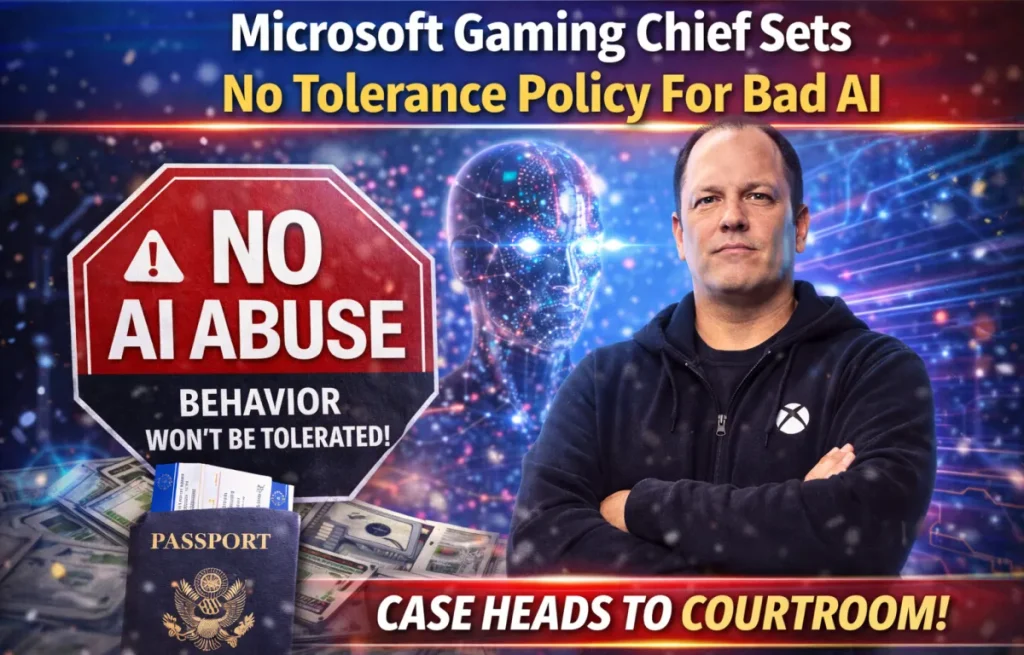
Microsoft’s new head of gaming says she will not accept what she calls “bad AI” in Xbox and related game projects, signaling an early priority for the leadership transition and setting expectations for how the company will approach generative tools in development.
The comments, reported by multiple gaming outlets including Ars Technica, GameSpot and IGN, came as the executive took on the top gaming role at Microsoft and addressed concerns about the use of artificial intelligence in games. In her public remarks, she emphasized that games still require “great stories created by humans,” rejecting the idea that Microsoft’s future slate should be filled with low-quality, automated content.
The statements put a clear line around Microsoft’s approach at a moment when publishers and studios are weighing how to use AI for writing, art, voice and production workflows. The gaming business is one of Microsoft’s most visible consumer-facing divisions, and Xbox in particular is closely watched for its release strategy, its relationship with internal and external studios, and how it integrates companywide technology initiatives.
By calling out “bad AI” directly, the new gaming chief is making quality control and creative standards part of the broader debate over how AI fits into game-making. The language also speaks to persistent worries among players and developers that generative systems could be used to cut corners, reduce human creative input, or flood storefronts and services with low-effort material.
For Microsoft, the issue is not abstract. The company markets itself as a leader in AI, and its gaming arm sits at the intersection of creative work, large production budgets and always-on online distribution. How Xbox leadership frames AI use can influence internal teams, third-party partners and the message delivered to the audience that buys games and subscribes to services.
The comments also arrive during a change at the top of Xbox leadership, inviting comparisons to the prior era while putting pressure on the new chief to articulate what will be different and what will remain the same. Her remarks suggest an attempt to reassure the gaming community that human-led storytelling and craft will remain central, even as AI tools continue to spread across the industry.
What happens next will be measured in policy and practice: how Microsoft sets standards for AI-assisted assets, how it evaluates creative work that uses generative tools, and how those decisions show up in upcoming releases and platform curation. Developers and players will likely look for concrete examples of what Microsoft deems unacceptable, how the company reviews AI-generated content, and whether “no tolerance” translates into enforcement across studios and publishing pipelines.
Microsoft’s gaming leadership has now put a stake in the ground: whatever AI becomes in Xbox’s future, it cannot come at the expense of quality or human creativity.