Dubai Moves to Shield Luxury Brand After U.S.-Iran War Shocks
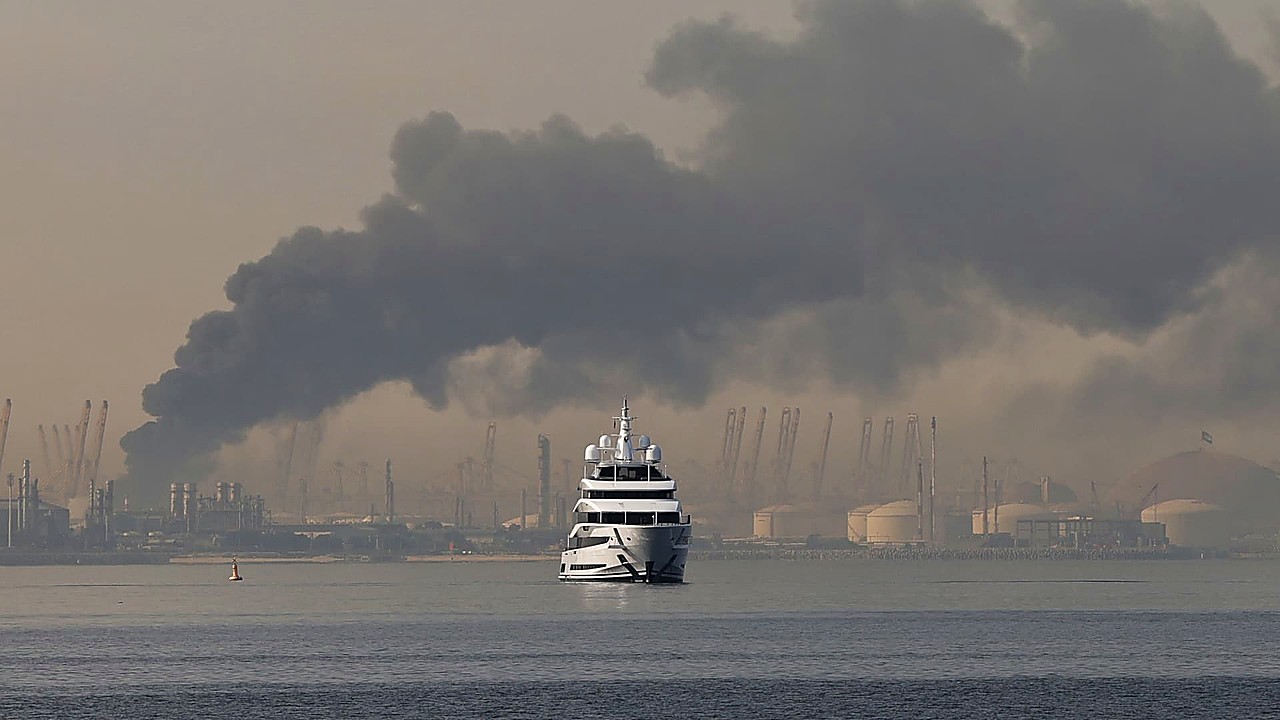
Dubai is moving to protect its image as a secure, business-friendly refuge for wealthy residents and international investors as the war between the United States and Iran reverberates across the region.
The emirate, long marketed as a stable hub for finance, real estate, and luxury living, is facing new questions about risk in the Gulf. Recent coverage has focused on how the conflict is affecting perceptions of safety and continuity for high-net-worth individuals who have used Dubai as a base for assets, families, and global travel.
The immediate concern is reputational. Dubai’s appeal has been built on predictability: open commerce, efficient logistics, a deep services economy, and an established ecosystem of private banking, wealth management, and high-end property. In times of regional tension, that brand becomes harder to sustain, particularly when wealthy residents are making contingency plans.
Reports in the region have described affluent Middle East elites paying large sums—up to $350,000—to leave the Gulf amid Iranian strikes. That activity underscores the level of anxiety among some of the region’s most mobile and well-resourced residents, the same demographic Dubai has courted for years through residency programs, property investment, and a lifestyle built around ease of movement.
Dubai’s positioning has often been compared to a “Swiss-style safe haven,” a place meant to feel insulated from regional instability. Recent reporting suggests that perception is being tested by the current conflict and its spillover effects, even as Dubai remains a functioning global city with a major airport and a central role in regional business.
Why it matters goes beyond image. Dubai’s economy is heavily linked to confidence: confidence that contracts will be honored, that services will operate uninterrupted, and that families can plan their lives without sudden disruption. Real estate markets, private schools, hospitality, and professional services all benefit from the continued presence of wealthy expatriates and regional elites who spend locally and invest for the long term.
A sustained shift in perception could have practical consequences. If more wealthy residents decide that the Gulf feels less predictable, even temporarily, it could affect demand at the top end of the property market and put pressure on the broader luxury economy that supports jobs and tax-adjacent fees across the emirate.
What happens next will depend on how the war develops and how quickly regional risk is seen as stabilizing. For Dubai, the near-term challenge is keeping its core promise intact: that it remains a reliable base for international business and personal wealth, even when geopolitics turns volatile nearby.
The coming weeks will test whether Dubai can maintain the confidence of the rich who have treated it as their safest address in the region.