Energy Secretary Wright Says U.S. Not Ready To Escort Tankers
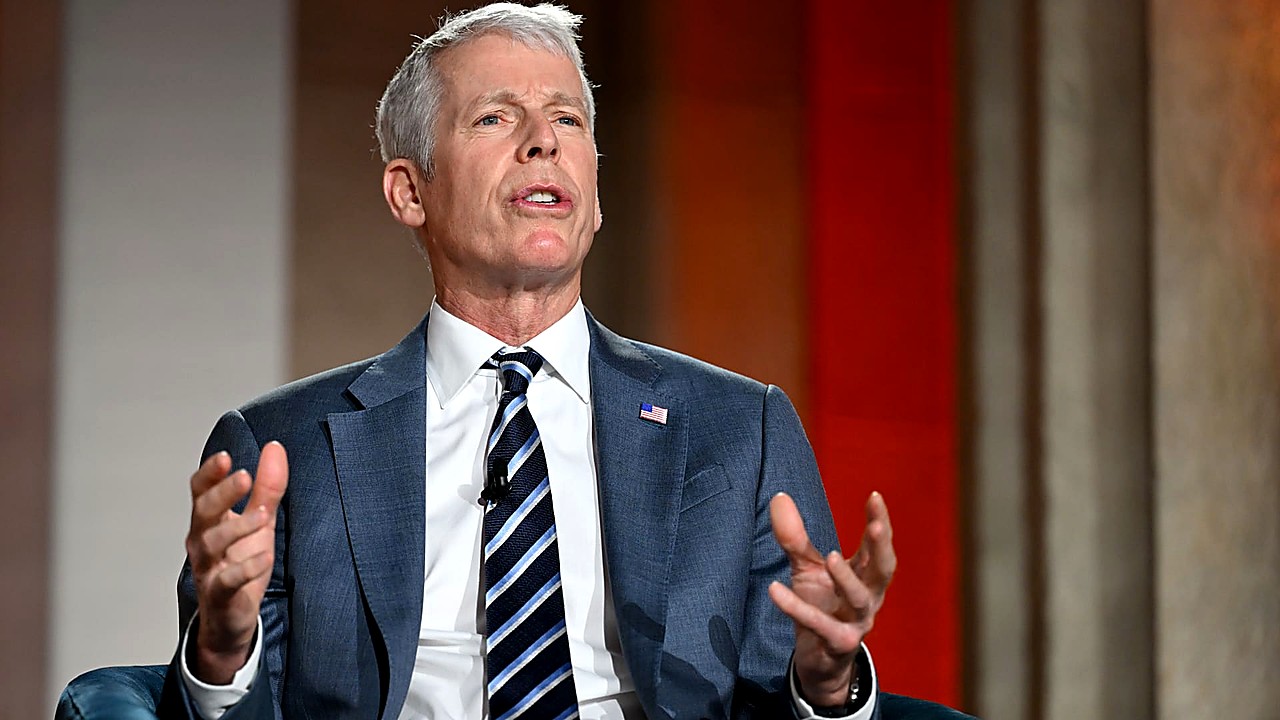
Energy Secretary Chris Wright said the United States is “not ready” to escort commercial tankers through the Strait of Hormuz, underscoring limits on what the U.S. Navy can provide to the shipping industry in one of the world’s most strategically important waterways.
Wright’s comments come as shipping companies and energy markets watch security conditions in the Persian Gulf region closely. The Strait of Hormuz is a narrow maritime corridor linking the Persian Gulf to the Gulf of Oman and the broader Arabian Sea, making it a key route for global oil and gas shipments.
According to recent reports, the U.S. Navy has told the shipping industry that escorts through Hormuz are not possible “for now.” Wright echoed that position publicly, saying the U.S. is not prepared yet to provide that kind of protection for tankers transiting the strait.
The statements also follow confusion created by a now-deleted claim suggesting the U.S. had successfully escorted an oil tanker through the strait. A U.S. official publicly disputed that account, and the White House said the U.S. Navy has not escorted a tanker through the Strait of Hormuz despite the earlier claim.
The administration’s clarifications matter because the difference between providing escorts and not providing them can affect how shipping firms plan routes, insurance, and onboard security measures. Any misstatement about U.S. naval operations in the area can quickly ripple through industry decision-making and raise questions among allies, partners, and commercial operators about what protections are actually available.
Wright’s remarks also reflect the practical and operational constraints involved in escort missions, which can require dedicated assets, planning, and sustained presence. While U.S. forces operate throughout the region, an organized escort program is a specific commitment that would represent a defined posture for protecting commercial traffic.
For the energy sector, the Strait of Hormuz remains central to global supply lines. Even without discussing prices or forecasting market moves, the security of the passage is widely viewed as a core variable for the steady flow of crude oil and other petroleum products shipped from the Gulf.
What happens next will depend on official guidance from the Pentagon and U.S. Central Command as they communicate with maritime operators about available support. Shipping companies will also continue to monitor U.S. government statements for any change in posture, including whether the Navy becomes ready to conduct escorts and under what conditions that might occur.
In the meantime, the White House and senior officials are emphasizing that no U.S. tanker escort has taken place in the strait, and Wright is reinforcing that the capability is not in place yet.
For now, U.S. policy and military messaging are aligned on a single point: escorts through the Strait of Hormuz are not currently available.