Tedros Says Strike Killed 12 At Lebanon Primary Health Center
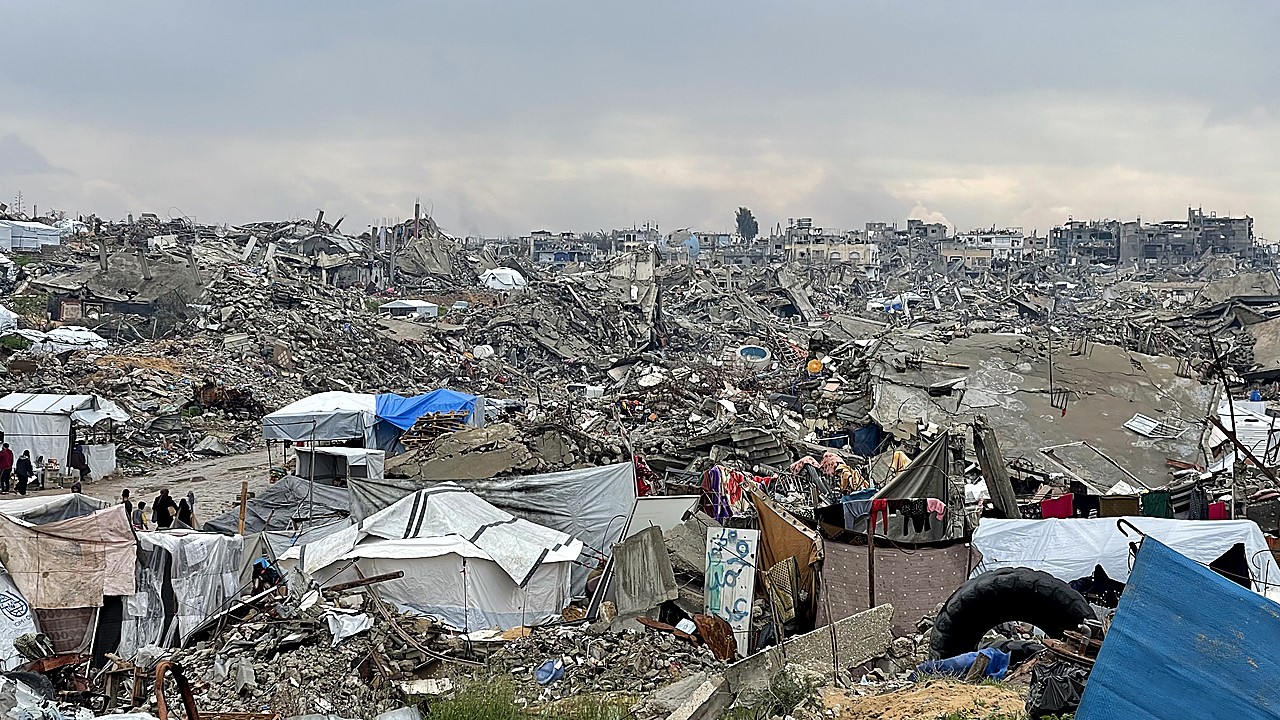
World Health Organization Director-General Tedros Adhanom Ghebreyesus said a strike hit a primary healthcare center in Lebanon and killed 12 people, including medical workers.
Tedros reported the deaths in a statement describing the incident as an attack on a health facility and identifying the victims as health workers. The strike was reported to have occurred in southern Lebanon and to have hit a primary healthcare center providing frontline services.
Headlines from multiple outlets characterized the incident as an Israeli strike and said the 12 killed were healthcare workers. The WHO chief’s comments framed the deaths as a severe blow to medical care and the protection of health services during conflict.
The reported strike adds to mounting concern over the safety of medical personnel and the vulnerability of clinics and basic care sites in active conflict areas. Primary healthcare centers are often the first point of contact for urgent care, routine treatment, and public health services, and disruptions can ripple quickly through surrounding communities.
When health workers are killed and facilities are damaged or forced to close, patients can lose access to emergency care, maternal and child health services, treatment for chronic illness, and vaccinations. The loss also strains nearby hospitals and clinics that may already be operating under pressure.
Tedros’ statement places renewed focus on the obligations of parties in conflict to protect medical workers and healthcare facilities. The WHO and other international bodies have repeatedly called for respect for healthcare services and for investigations when medical sites are struck.
No additional details were provided in the context about the exact time of the strike, the names of those killed, or whether the facility was operating at the time it was hit. The WHO chief’s statement, as reflected in the related coverage, confirmed the death toll at 12 and identified the victims as medical workers.
The development matters because it further highlights the human cost of escalating hostilities affecting Lebanon and the risk of broader impacts on public health and emergency response capacity. Even a single strike on a primary care site can leave gaps in basic services that take months to rebuild, particularly if trained staff are among the casualties.
What happens next will likely include further confirmation of incident details by health authorities and humanitarian groups, as well as continued calls from the WHO for the protection of healthcare and accountability for attacks on medical services. Additional reporting may clarify the circumstances of the strike, the status of the facility, and the effect on local medical operations.
Tedros’ statement underscores a stark reality for communities caught in conflict: when healthcare centers become targets or are caught in fighting, the consequences are immediate, deadly, and lasting.