Record Snowfall Possible From Plains To Great Lakes
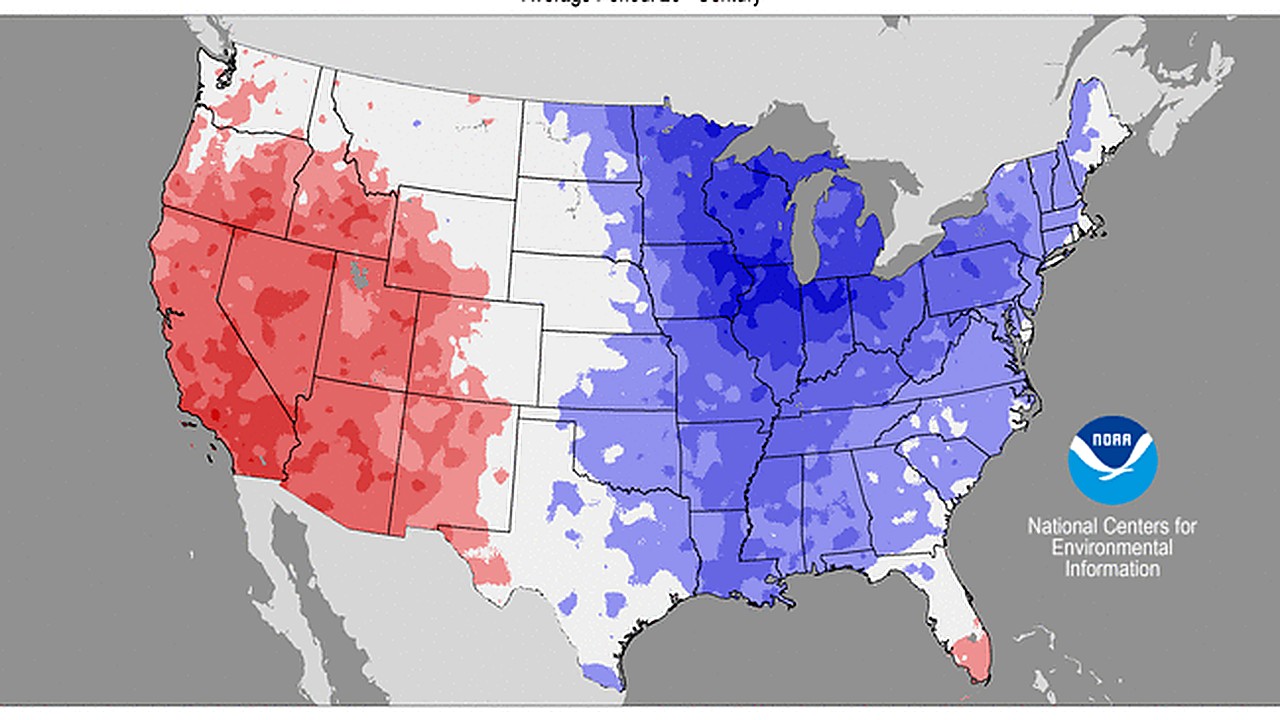
A powerful winter storm is bringing the potential for record-setting snowfall across parts of the central United States, with impacts stretching from the Plains into the Great Lakes. Forecasts call for heavy snow in some areas and disruptive travel conditions as the system moves through.
The latest outlook highlights a swath of the region where accumulating snow is expected, including locations in Minnesota and neighboring states. In the Twin Cities and southern Minnesota, meteorologists have described the system as a major storm for the season, with snow totals continuing to be updated as the storm unfolds.
Separate storm coverage and early reports indicate snow has already been measured in parts of Minnesota during the March 14–15 period, as communities track how much has fallen and how much more may still be ahead. Local updates on totals have been posted as the storm continues to affect road conditions and daily routines.
The USA Today report on the system notes the possibility of record snowfall from the Plains to the Great Lakes and offers a location-based way for readers to check projected totals by address. That kind of granular forecast is increasingly used during high-impact storms to help residents and local officials plan for varying conditions within the same metro area, where totals can differ significantly from one neighborhood to another.
The development matters because heavy snow and rapidly changing conditions can trigger widespread transportation delays, school and event disruptions, and increased risk for drivers during periods of reduced visibility. Significant snowfall also places additional strain on city plowing operations, emergency response resources, and utilities, particularly when snow is accompanied by wind that can reduce visibility and create drifting.
Residents in the storm zone are urged by local agencies during winter storms to monitor updated forecasts, check road conditions before traveling, and plan for slower commutes as snow accumulates. Even within the same county, shifting storm bands can produce different snowfall amounts, making updated local information critical.
Next steps will depend on the storm’s track and intensity over the next several forecast cycles, with totals likely to be refined as the system progresses east. Weather updates are expected to continue through the heaviest period of snowfall and into the storm’s exit, when crews typically focus on clearing main routes first and then neighborhood streets.
As snowfall reports come in and forecasts are updated, communities from the Plains through the Great Lakes are preparing for a stretch of winter weather that could leave notable totals and significant impacts in its wake.