Iran Missile Strike Hits Qatar Facility Near Major Gas Plant
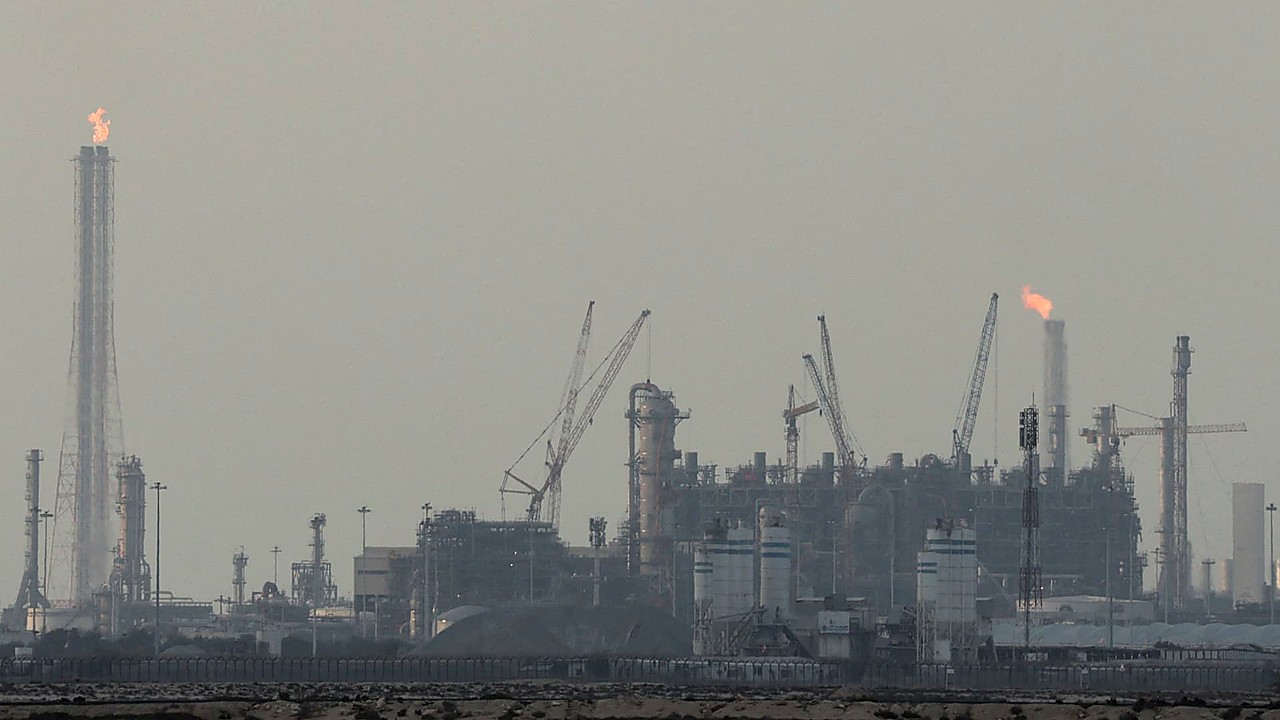
Iran launched a missile attack on Qatar that caused “extensive damage” at a site associated with the Ras Laffan LNG complex, home to what has been described in multiple reports as the world’s largest liquefied natural gas facility.
Qatar reported the damage at the Ras Laffan site, a major industrial area that houses critical infrastructure tied to LNG production. The strike marks a significant escalation because it hit facilities linked to one of the most important gas-export hubs in the world, with operations that underpin global energy supply chains.
Ras Laffan is Qatar’s centerpiece for gas processing and LNG exports, and the surrounding industrial zone includes facilities that support the flow of natural gas from production through liquefaction and shipment. The reports of extensive damage indicate that the impact was not limited to a minor or symbolic strike, but affected infrastructure at or near a complex central to Qatar’s energy sector.
The attack has heightened concerns about the security of key energy installations in the Gulf at a time of broader conflict in the Middle East. Any damage at a major LNG hub has the potential to ripple far beyond the immediate site because Ras Laffan’s output is closely tied to supply commitments to international buyers.
The development matters for regional security as well. Qatar hosts major strategic facilities and has long positioned itself as a stable energy supplier. A strike on infrastructure connected to a massive gas plant raises the stakes for governments seeking to prevent the conflict from spreading to critical economic assets.
The latest reports come amid closely watched diplomatic and security efforts involving regional and international actors. A separate headline cited EU concern about the security of the Strait of Hormuz, a vital route for energy shipments, and warned that the risk could rise if attacks on installations continue.
So far, the available information confirms the strike and the damage assessment from Qatar, but does not include detailed public accounting of operational effects at Ras Laffan, the specific facility that was hit within the industrial area, or the extent to which production and exports were disrupted. Public statements and additional technical assessments are expected to clarify the condition of affected infrastructure and any resulting changes to operations.
In the near term, attention will focus on safety checks and damage evaluations at the site, as well as steps Qatar takes to protect key facilities. Governments and energy market participants will also be watching for any further attacks on critical infrastructure in the region.
The strike on a facility tied to Ras Laffan underscores how quickly the Middle East conflict can reach strategic economic targets with global consequences.