Uber To Invest Up To $1.25 Billion In Rivian Robotaxi Deal
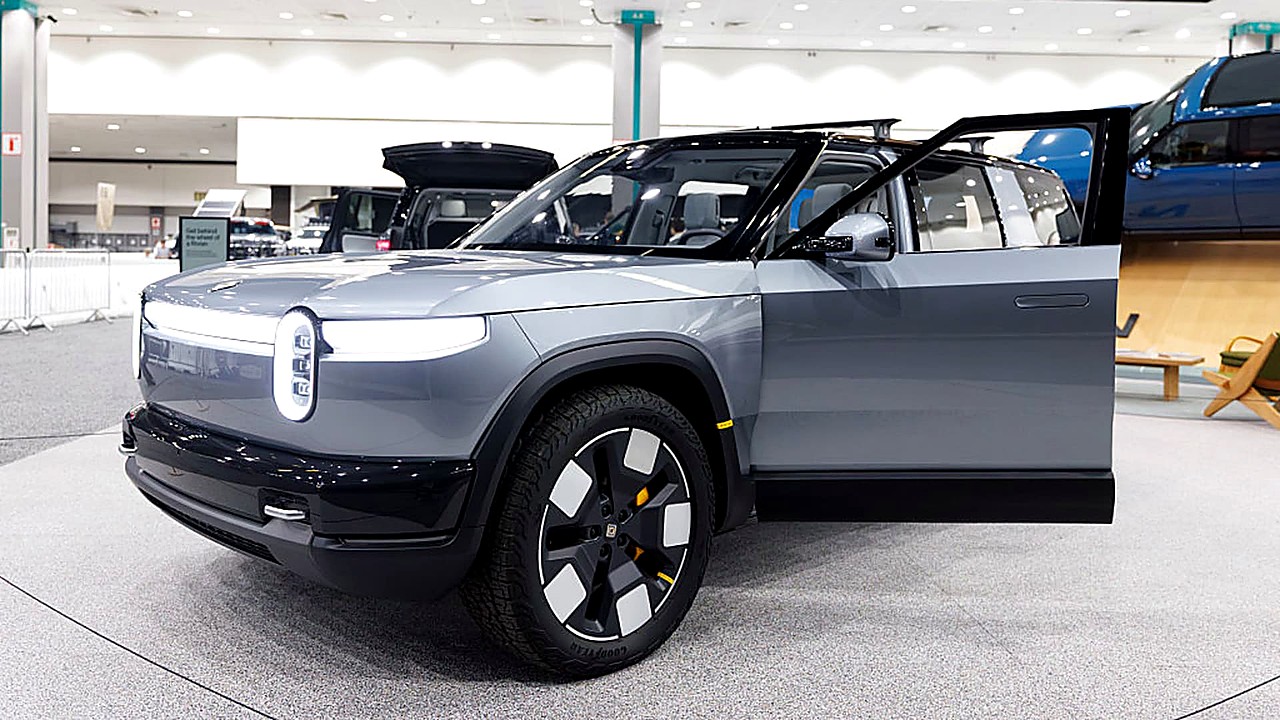
Uber said it will invest up to $1.25 billion in electric vehicle maker Rivian as part of a deal aimed at putting as many as 50,000 autonomous robotaxis on the road, marking one of the ride-hailing company’s biggest moves yet to secure a dedicated driverless fleet.
The agreement calls for Rivian to supply Uber with up to 50,000 robotaxis. The plan, as described in reports on the deal, envisions deploying the vehicles across 25 cities by 2031. The investment is tied to that long-term rollout and positions Rivian as a key vehicle partner for Uber’s autonomous ambitions.
Uber, based in San Francisco, has spent years working to expand its platform beyond human-driven rides while maintaining a strategy of partnering with companies that build vehicles and autonomy systems. Rivian, an EV manufacturer best known for its consumer vehicles, would add a large-scale fleet commitment at a time when EV makers are seeking durable commercial demand.
The size of the commitment matters for both companies. For Uber, access to a purpose-built, high-volume robotaxi fleet could help it offer more consistent autonomous ride availability across multiple markets over time. For Rivian, supplying up to 50,000 vehicles and taking a major investment from Uber would represent a significant commercial relationship and a high-profile validation of its potential role in mobility services beyond individual consumer sales.
The deal also underscores how major transportation and technology companies are attempting to shape what driverless ride-hailing will look like in the United States over the next several years. A multi-city roadmap through 2031 suggests both parties are treating autonomous deployment as a phased effort, rather than a single launch, and are building toward scale with a long horizon.
Specific details about timing of initial launches, which autonomy technology will be used, and what the rider experience will look like were not included in the limited information available in the reports. The headlines describe the agreement as a robotaxi deal centered on Rivian supplying vehicles and Uber providing the ride-hailing platform and demand.
Next steps will include the companies working through vehicle supply plans and the rollout schedule implied by the targets outlined in the reported agreement, including city selection and deployment sequencing through 2031. Additional terms are likely to be clarified as the partnership progresses and as deployment plans are finalized.
If the companies execute on the announced targets, the Uber-Rivian partnership could become a defining effort to scale robotaxis across U.S. cities over the rest of the decade.