Trump Sets Two-Week Deadline Tied To Strait Of Hormuz Risks
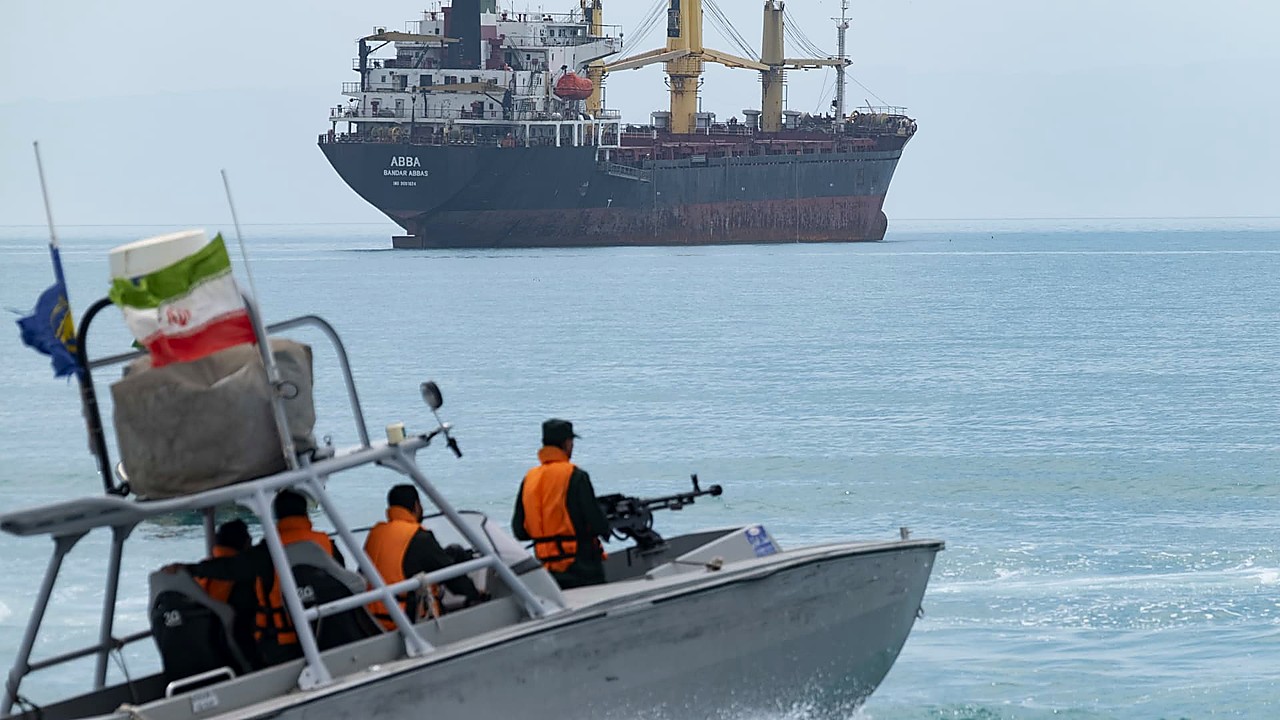
President Donald Trump has set a deadline tied to the Strait of Hormuz, as tensions with Iran sharpen and warnings of broader economic fallout grow louder. The timeline has focused attention on the next two weeks as a period when decisions and events in and around the narrow shipping corridor could reverberate far beyond the Middle East.
The Strait of Hormuz is a critical maritime passage at the mouth of the Persian Gulf, used by tankers and cargo ships moving energy supplies to global markets. In recent days, Trump and Iranian officials have exchanged threats amid a building crisis centered on the strait, according to reporting by Bloomberg. Separate reports from The Times and The Japan Times described Trump issuing a short-fuse ultimatum related to the waterway, and an Iranian warning in response.
The Washington Post reported that Iran does not appear ready to concede despite significant losses, underscoring the risk of escalation even as pressure mounts. France 24 has highlighted the potential for global economic fallout tied to the broader Middle East conflict environment.
The economic stakes are high because any disruption in shipping through the strait can ripple through energy prices, freight costs, and broader inflation pressures. For the United States, that can translate quickly into higher costs for businesses and consumers, as well as increased uncertainty in financial markets. For allies and trading partners reliant on Gulf energy flows, the consequences can be immediate, affecting industrial costs and household energy bills.
The focus on a two-week window reflects the speed with which maritime security situations can deteriorate and the limited ability of markets to absorb sudden supply shocks without repricing. It also places political pressure on Washington to show a clear strategy, while increasing scrutiny on Tehran’s next moves and on regional security conditions around Gulf infrastructure and shipping routes.
What happens next will depend on official actions and any changes to shipping and security conditions in the area. Investors, businesses, and policymakers will be watching for statements from the White House, responses from Iranian leadership, and signs of heightened risk to vessels transiting the strait. Updates from regional governments and military commands responsible for safeguarding maritime traffic will also be closely monitored.
In the near term, the next two weeks will serve as a test of whether rhetoric hardens into action or gives way to steps that reduce the risk of an energy and shipping shock—one that could quickly hit the global economy.