Apple Hardware Strategy Shifts Under Ternus Leadership
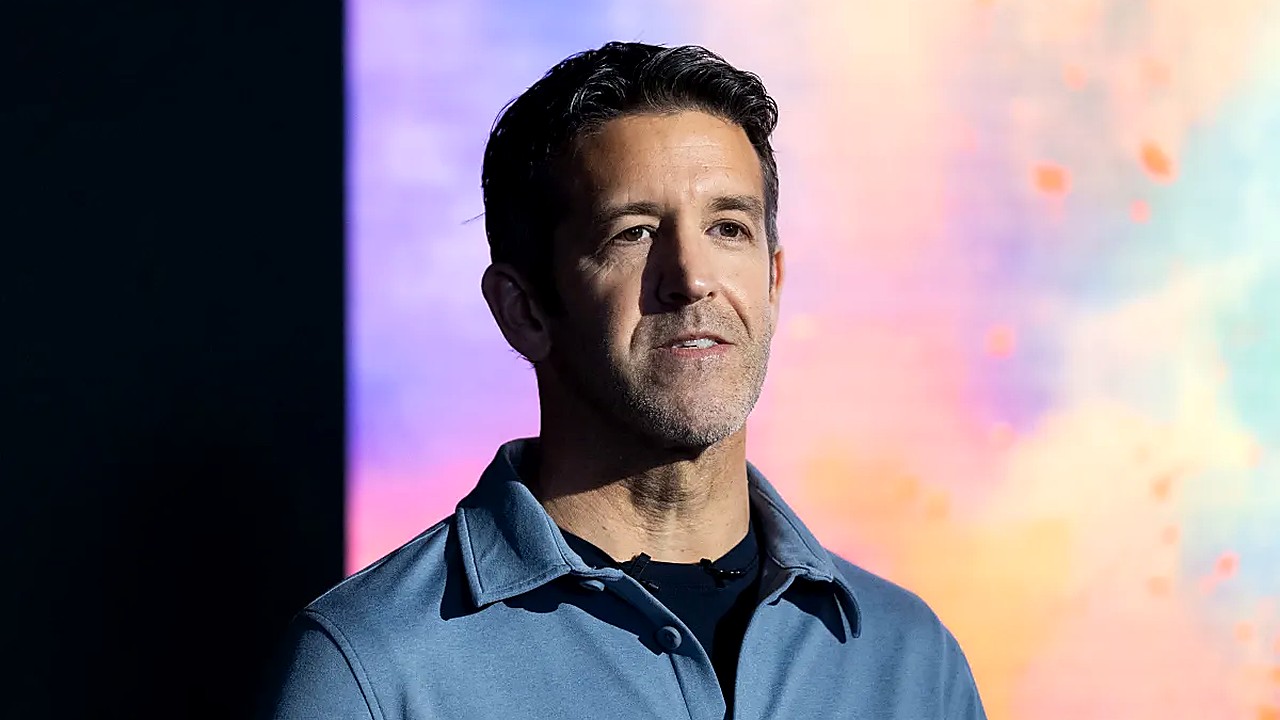
Apple is entering a new era of leadership, with longtime executive John Ternus set to take over as chief executive after Tim Cook steps down, according to recent published reports. The transition puts the spotlight on what comes next for Apple’s hardware strategy under an executive best known for overseeing the company’s flagship devices.
Ternus, 51, is a veteran Apple leader who has been closely tied to the company’s product development and hardware operations. Reports describing the leadership change have framed the moment as a pivot point for Apple as it navigates its next phase of growth and the industry’s shift toward artificial intelligence.
The change at the top is significant because Apple’s identity and financial engine remain deeply connected to hardware. Decisions about iPhone, iPad, Mac, and wearables roadmaps have ripple effects across services, developer ecosystems, and accessory markets. A CEO with deep hardware roots would be expected to keep product design, supply chain execution, and annual release cycles at the center of the company’s strategy.
Several recent stories about the succession have pointed to the broader context Apple faces: accelerating competition in AI features and experiences, rising expectations for new form factors, and the constant pressure to deliver upgrades that are compelling enough to sustain demand for premium devices. In that environment, Apple’s hardware direction is not just about new products, but about how the company integrates software and emerging AI capabilities into the devices people already use daily.
The development matters for investors, partners, and customers because Apple’s strategy is often telegraphed through its leadership choices. Cook has been associated with operational discipline and the expansion of services and subscriptions layered on top of the installed device base. A shift to Ternus would elevate an executive whose public profile is more closely linked to the hardware portfolio that defines Apple’s brand.
It also matters for the tech industry broadly. Apple’s moves tend to influence suppliers, competitors, and app makers, and its hardware decisions can set de facto standards for performance, privacy expectations, and device capabilities. If Apple changes priorities in how it builds and markets devices, that can reshape product planning across the consumer electronics landscape.
What happens next will be closely watched for concrete signals: whether Apple adjusts the cadence of major device updates, prioritizes particular categories, or makes organizational changes that clarify who owns core product lines and emerging initiatives. Future product announcements and executive appointments will offer the clearest, verifiable indicators of the direction under the new leadership.
For now, the transition places Apple’s hardware strategy squarely at the center of its next chapter, with Ternus positioned to define how the company’s devices evolve in an industry that is moving quickly. The coming months will show how Apple translates a change in leadership into a roadmap that keeps its hardware at the heart of its business.