Iran-Linked Attacks Reported As Strait Of Hormuz Recloses
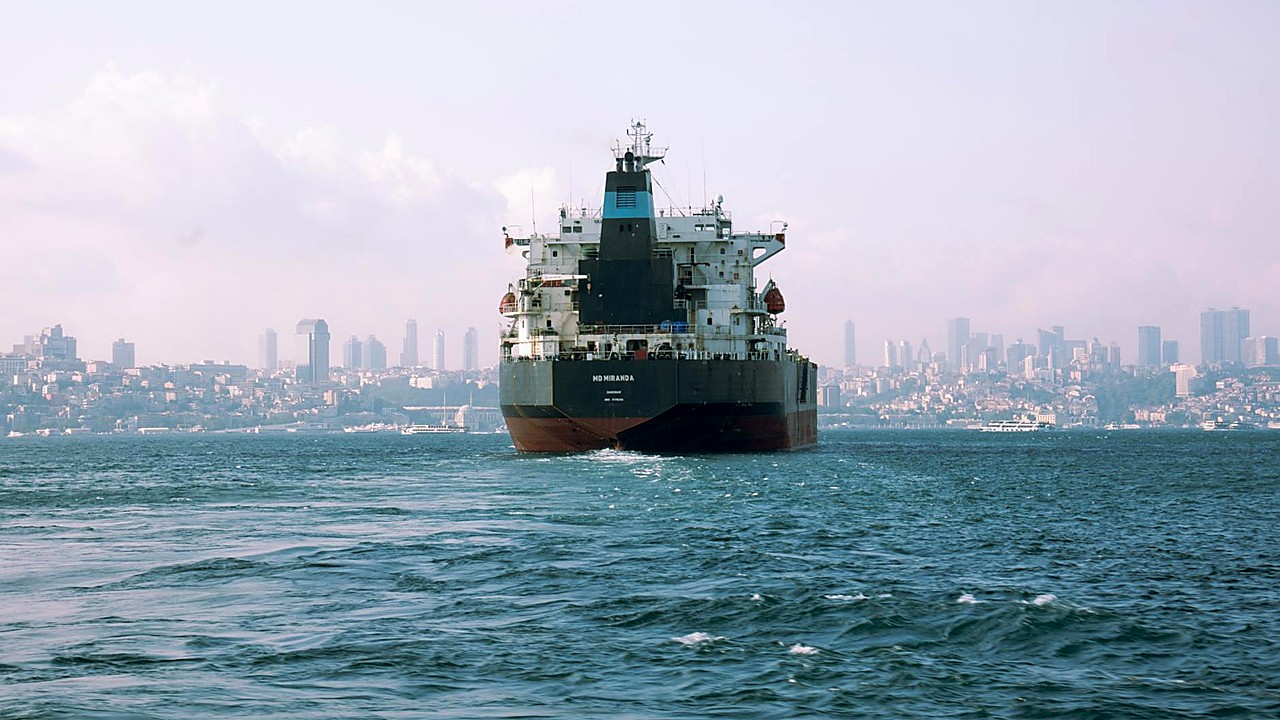
Attacks on commercial ships were reported after Iran reclosed the Strait of Hormuz, raising immediate concerns about safety in one of the world’s most important maritime chokepoints.
The reports centered on trade vessels operating in and around the Strait of Hormuz, the narrow waterway that connects the Persian Gulf to the Gulf of Oman and the wider Arabian Sea. Multiple headlines published by outlets including DW.com and Newswire described ships reporting attacks after the strait was reclosed. Another report, carried by The Grand Junction Daily Sentinel, said trade ships were hit as Iran reclosed the strait.
The Strait of Hormuz is routinely used by international shipping, and any disruption can affect commercial traffic moving in and out of the Persian Gulf. Reports of attacks, combined with a closure, can force ship operators to reconsider routing, adjust schedules, or pause transits, potentially slowing deliveries and increasing costs for cargo owners and insurers.
While details of the reported attacks were not provided in the available context, the development matters because the strait’s status has direct implications for maritime security and the continuity of global trade flows. Even limited disruptions can have outsized effects due to the concentration of traffic through a single, constrained passage.
The reported incidents also add to broader geopolitical tension surrounding the waterway. One headline referenced comments attributed to President Donald Trump, saying the United States “won’t be blackmailed,” alongside a threat to “start dropping bombs again,” though no additional details were provided in the context about timing, setting, or any associated policy action.
Separately, the provided headlines list included an unrelated item about a special traffic plan announced for the Indian vice president’s visit. That development was published by Newswire but did not appear connected to the Strait of Hormuz reports.
Next, attention is expected to focus on verification of what occurred at sea, including the number of ships affected, the nature of the reported attacks, and whether any damage, injuries, or cargo impacts were sustained. Shipping companies and maritime authorities typically assess risk conditions and issue guidance to vessels, while insurers and security advisers may update recommendations based on confirmed incidents.
The status of the Strait of Hormuz itself will also be closely watched. A reclosure can change traffic patterns quickly, especially for commercial vessels planning to enter or exit the Persian Gulf. Operators may seek clarity on transit rules, safety measures, and any restrictions as they plan voyages in the region.
For now, the combination of reported ship attacks and the strait’s reclosure marks a sharp escalation in uncertainty for maritime traffic in a corridor that global commerce depends on every day.