Strikes Kill At Least 16 As Chernobyl Anniversary Marks Risks
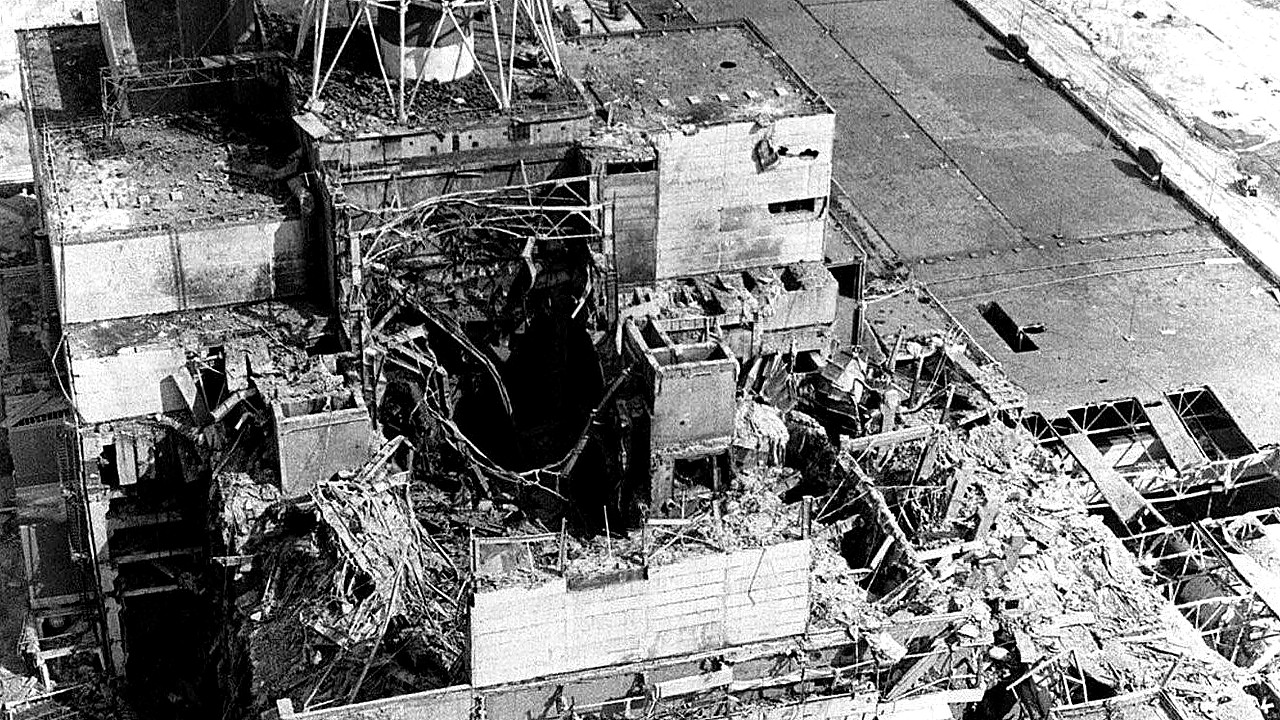
At least 16 people were killed in strikes in Ukraine as the country marked the anniversary of the 1986 Chernobyl disaster, a somber date that again focused attention on the nuclear dangers surrounding Russia’s war.
The deaths were reported amid ongoing attacks, with the anniversary serving as a stark reminder of what is at stake in a conflict being fought in a country with nuclear sites and infrastructure. The Chernobyl catastrophe remains one of the world’s most consequential nuclear accidents, and its legacy continues to shape public fears about radiation and reactor safety.
The latest toll underscores the war’s continuing human cost as civilians face the risks of strikes far from front lines. The reported fatalities add to the broader pattern of casualties from repeated attacks that have battered communities across Ukraine.
The anniversary also sharpened concerns about how warfare intersects with nuclear safety. Chernobyl’s name is synonymous with long-term contamination, displacement, and health anxieties that persist decades later. In a wartime environment, the possibility of damage to sensitive facilities or disruptions affecting safety systems becomes a persistent source of alarm.
For Ukrainians, the date carries national significance that extends beyond memorial events. Chernobyl is a symbol of catastrophe and recovery, but it is also a reminder of the consequences of failures in oversight, communication, and emergency response. That history gives added weight to any wartime development involving critical infrastructure and heightened security pressures.
This development matters because it illustrates two overlapping dangers: the immediate threat of violence from strikes and the broader vulnerability of a nation whose landscape includes sites tied to nuclear energy and past nuclear disaster. Even without a direct incident at a nuclear facility, the combination of armed conflict and nuclear-associated infrastructure keeps the risk conversation in the foreground for officials and the public.
The situation also carries international resonance. Chernobyl is not only a Ukrainian trauma; it is a global reference point for nuclear risk. Any renewed attention to nuclear safety in the context of war can influence diplomatic messaging, aid priorities, and the posture of governments watching the conflict closely.
What happens next will depend on how the fighting evolves and how authorities manage security concerns while responding to attacks and their aftermath. The casualty figures are likely to be updated as more information becomes available, and the anniversary is expected to continue prompting renewed calls to keep nuclear-related risks from escalating.
As Ukraine remembers Chernobyl’s victims and endures new losses, the day’s toll reinforced how the war’s dangers extend beyond the battlefield and into the realm of long-feared nuclear catastrophe.