Prediction Markets Favor Musk In Lawsuit Against OpenAI, Altman
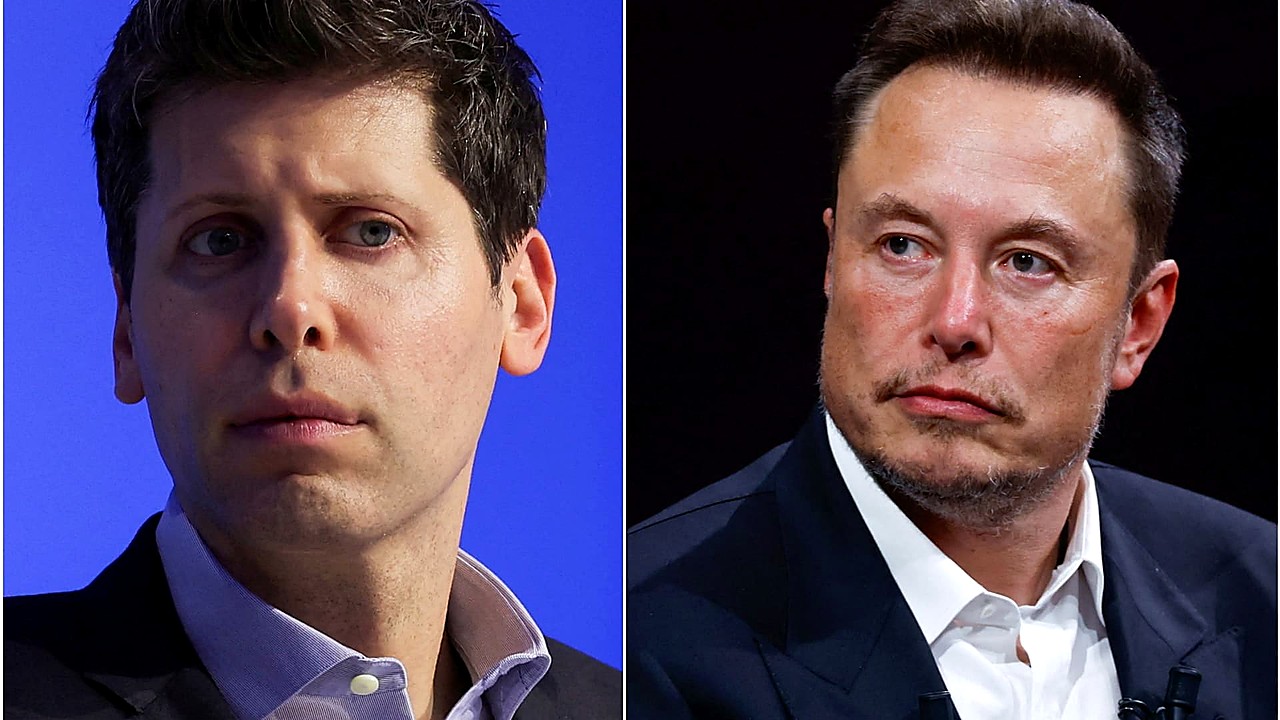
Elon Musk’s lawsuit against Sam Altman’s OpenAI is now the subject of active wagering on prediction markets, where traders are assigning changing odds to whether Musk ultimately prevails in court.
The case pits Musk, the Tesla and X owner who helped found OpenAI, against OpenAI and its leadership, including CEO Sam Altman. The dispute is being litigated in court, and recent proceedings have produced notable developments, including a judge’s decision to block certain “settlement texts” sought by Musk’s side from being used as trial evidence, according to related coverage.
Other reports indicate Musk has testified in the OpenAI trial, adding to the public record in a case already drawing scrutiny from the technology sector, investors, and policy circles. The litigation centers on high-profile figures and a company at the heart of the artificial intelligence boom, making each procedural ruling and courtroom appearance closely watched.
The prediction-market activity matters because it provides a real-time snapshot of how some market participants are interpreting the publicly available signals around the case. While such markets are not a substitute for legal analysis or a forecast guaranteed to be accurate, they can influence the broader conversation by translating uncertainty into a simple probability-like number that is easy to track and debate.
The attention also underscores the broader stakes for OpenAI and the AI industry. OpenAI is one of the most prominent AI developers in the United States, and Musk is among the most influential business figures in technology. Litigation involving governance, leadership decisions, and internal communications at a major AI lab can affect public trust, business partnerships, and the regulatory posture toward the sector.
The judge’s evidentiary ruling highlighted in recent headlines is also significant in a practical sense: what a jury is allowed to see can shape how each side presents its narrative. Excluding certain messages can narrow the scope of arguments at trial, alter the weight of competing claims, and affect strategy for both plaintiffs and defendants.
What comes next will be driven by the court calendar and any additional pretrial rulings, testimony, and evidentiary decisions. The parties will continue building their cases within the boundaries the judge sets, with each side likely focused on presenting the strongest admissible record to support its claims and defenses.
As proceedings continue, prediction-market odds may keep moving, but the outcome will be determined in court, not online, with the final judgment resting on the evidence and the law.