Oil Prices Rise as U.S.-Iran Tensions Elevate Hormuz Risks
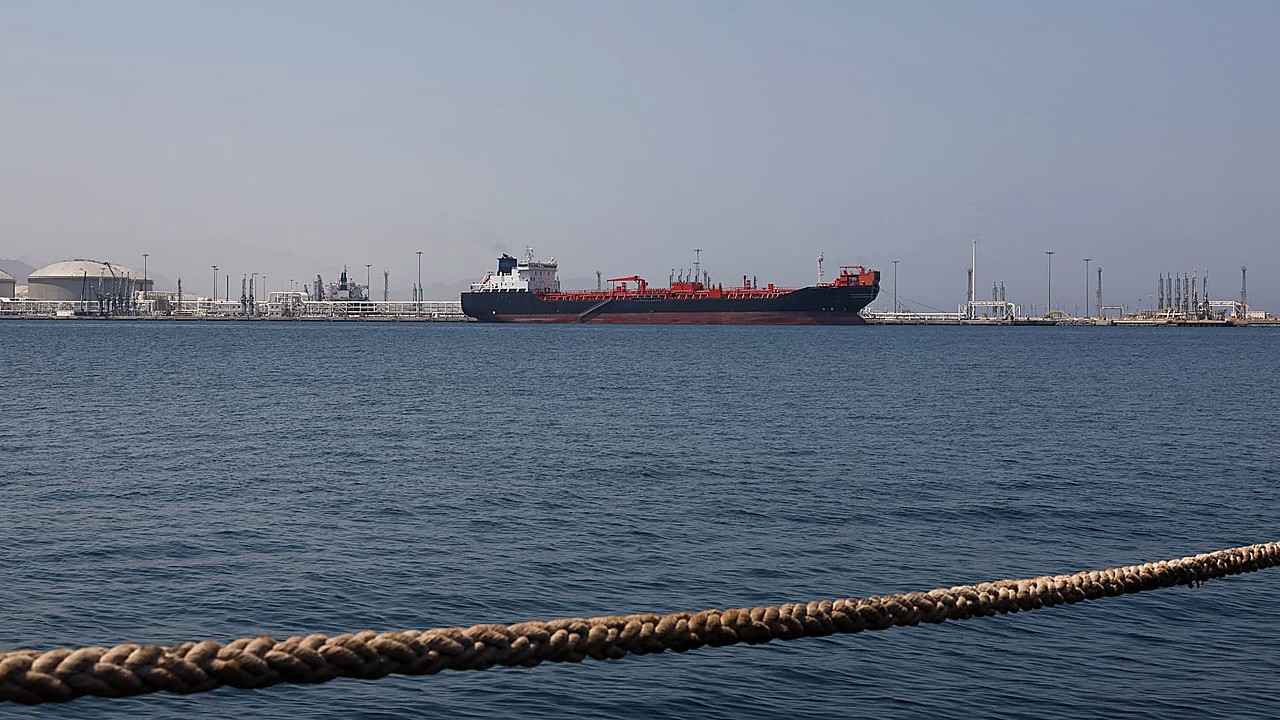
Oil prices rose in the latest session as traders kept a close watch on escalating U.S.-Iran tensions and the potential risks to shipping through the Strait of Hormuz, a critical chokepoint for global energy flows.
The move higher in crude came as markets remained sensitive to geopolitical developments tied to the U.S.-Iran standoff. Trading centered on the possibility that frictions in and around the Strait of Hormuz could disrupt supplies or raise transportation and insurance costs, factors that can quickly push energy prices higher.
The Strait of Hormuz sits between the Persian Gulf and the Gulf of Oman and serves as a key route for seaborne oil shipments. Any threat to transit through the strait can ripple well beyond the region, influencing benchmark crude prices and investor expectations for fuel costs.
Recent market action has been volatile, with oil holding at elevated levels amid shifting headlines tied to the same set of tensions. Some reports in recent days have pointed to oil easing after an earlier rally, while others have described crude remaining above major psychological price levels as traders continue to price in uncertainty around the waterway.
Gold and silver also drew attention in parallel trading as investors weighed the same Hormuz-related risk backdrop alongside broader moves in the U.S. dollar, reflecting the way geopolitical stress can spread across commodities and currency markets at once.
The development matters because energy markets are highly sensitive to disruption risk in narrow maritime corridors, and the Strait of Hormuz is among the most important. Even without an actual disruption, heightened concern can lift crude prices by increasing the premium traders demand to hold positions tied to near-term supply.
Higher oil prices can filter into gasoline, diesel, jet fuel and shipping costs, influencing inflation expectations and consumer sentiment. They can also affect corporate margins for transportation-heavy industries and complicate forecasting for businesses that rely on stable fuel prices.
For policymakers and central banks, sustained strength in energy prices can reshape the inflation outlook, potentially affecting the timing and direction of interest-rate decisions. For companies, it can prompt hedging activity and adjustments to procurement strategies, especially for those exposed to fuel inputs.
Next, traders are likely to remain focused on incoming developments tied to the U.S.-Iran situation and any signals that would change perceptions about security and passage through the Strait of Hormuz. Markets will also watch for indications that prices are stabilizing after recent swings, or whether fresh headlines keep volatility elevated.
For now, the oil market’s direction is being set less by routine supply-and-demand data than by the persistent geopolitical risk concentrated around one of the world’s most vital shipping lanes.