U.S. Forces Strike Iranian Oil Tanker Amid Deal Push
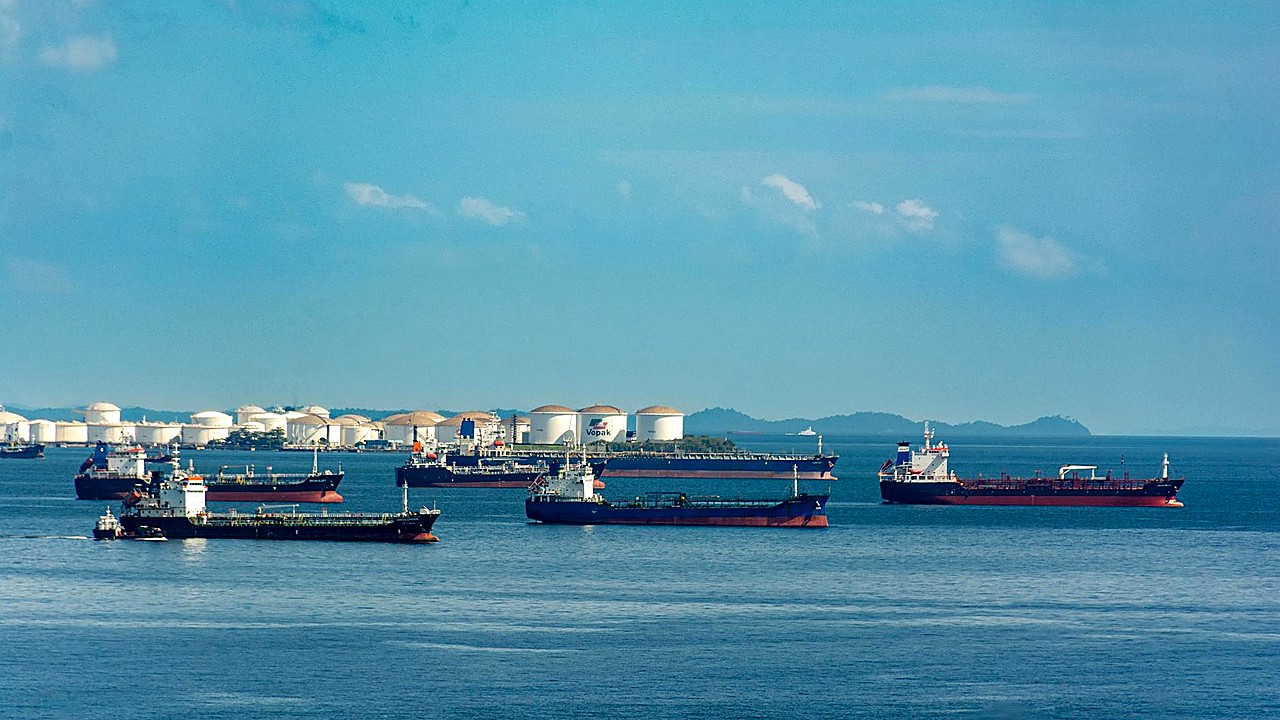
The U.S. military fired on an Iranian oil tanker in a development that sharpened tensions as President Donald Trump pressed Tehran to reach a deal to end the war. The action involving a vessel carrying oil came amid heightened regional conflict and intensified diplomatic pressure from Washington.
The tanker was described in published reports as Iranian-flagged. The incident was reported by The Associated Press and also carried by outlets including the Los Angeles Times, MSN, WRAL and The Guardian. The accounts tied the strike to a moment when Trump was delivering a renewed ultimatum and pushing Iranian leaders toward an agreement.
Officials in the reports described U.S. forces as having fired on the tanker. The headlines did not specify the exact location at sea, the weapon used, the extent of damage to the ship, whether there were casualties, or whether the vessel was seized, disabled or able to continue its voyage. The reporting framed the episode as a military action connected to an escalating confrontation involving Iran and the United States.
The development matters because it brings U.S. military force directly onto an oil shipping lane issue involving Iran, a major flashpoint in Middle East security. Attacks or interceptions involving tankers can quickly ripple beyond the immediate parties, affecting regional military postures, maritime security decisions and the broader risk of miscalculation at sea. When a U.S. action targets an Iranian-flagged vessel, it can also prompt retaliatory steps or emergency diplomacy, raising stakes for U.S. forces and commercial traffic operating in the area.
It also lands at a sensitive political moment. The reports linked the strike to Trump’s effort to pressure Tehran into a deal aimed at ending the war. Any use of force during active diplomatic pressure can shape the negotiating environment by changing perceptions of leverage and resolve. It can also influence allied and partner responses, including how other governments weigh calls for restraint against demands for enforcement actions.
What happens next will depend on official statements and any response from Iran. Additional details are expected from U.S. military authorities about the circumstances of the firing, the tanker’s status and the justification offered for the action. Attention will also turn to whether there are follow-on measures affecting shipping, including advisories to mariners, increased patrols or changes in how vessels are routed.
On the diplomatic front, the next steps will focus on whether Trump’s push for a deal produces talks, and whether the latest maritime incident complicates or accelerates those efforts. With military operations and oil transit intersecting, even small shifts in posture can have outsized consequences.
The episode underscores how quickly the conflict’s front lines can extend onto the water, with global energy and regional security interests immediately in play.