Musk Lawsuit Forces Court Scrutiny Of OpenAI Safety Controls
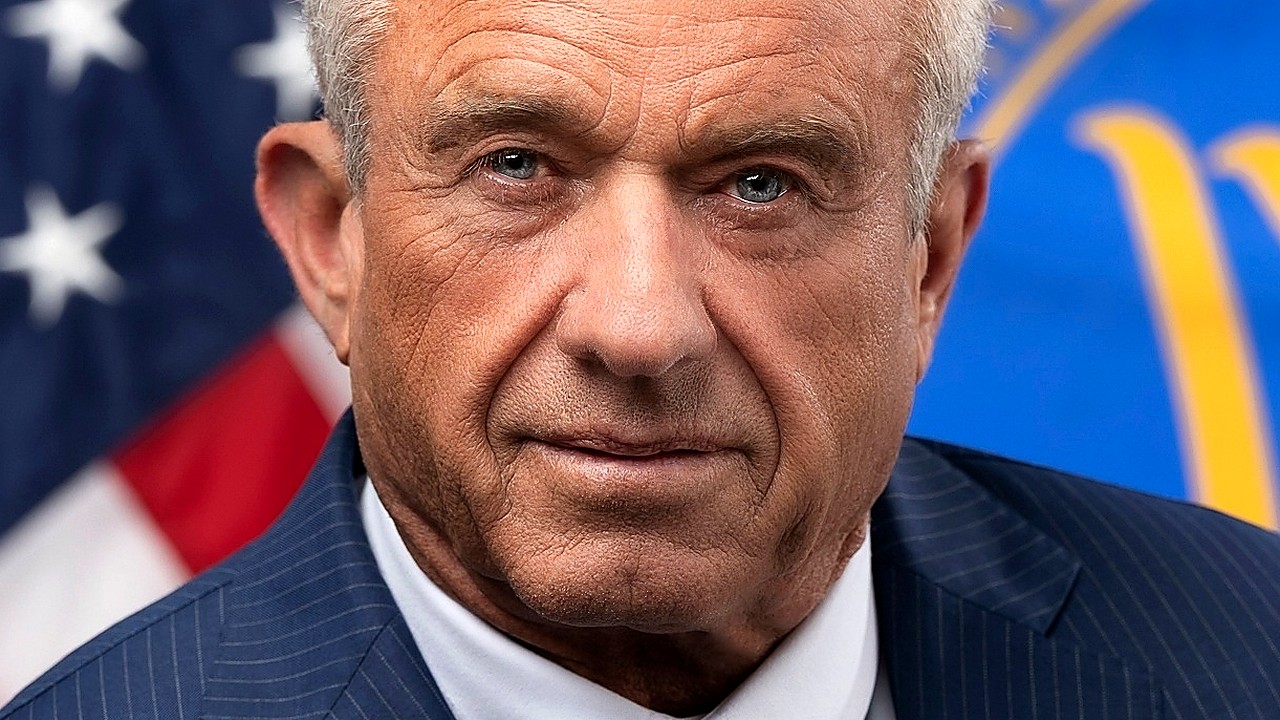
Elon Musk’s lawsuit against OpenAI is sharpening attention on the company’s approach to safety, pulling a core part of the artificial intelligence debate into a legal fight involving some of the field’s most prominent figures.
The dispute centers on OpenAI, the high-profile AI developer led by CEO Sam Altman, and Musk, a co-founder of the organization who later split from it and went on to start xAI. The lawsuit has put OpenAI’s safety record and commitments in the spotlight, raising questions that extend beyond any single product release.
OpenAI has continued to expand its commercial offerings while it faces heightened scrutiny. The company recently launched new voice intelligence features in its API, a move aimed at developers building applications on top of its models. That kind of product expansion underscores how quickly advanced AI capabilities are being packaged and distributed to third parties, which can increase the importance of guardrails, usage policies, and oversight.
The case also lands at a moment when the broader AI ecosystem is in flux. Musk’s own AI company, xAI, has been the subject of questions about what kind of infrastructure player it may become, reflecting how AI labs are increasingly tied to large-scale computing, data center capacity, and platform distribution.
Why the lawsuit matters is not simply that it involves well-known names, but that it emphasizes safety as a measurable record rather than a set of aspirations. For companies building frontier models, safety has become part of the public expectations around deployment: what is tested before release, what is monitored after release, how misuse is handled, and how claims about responsible development line up with operational decisions.
At the same time, the safety discussion is unfolding alongside major industry investments. Microsoft, OpenAI’s key partner, is pushing forward with AI data center plans that are colliding with clean power goals, another reminder that scaling AI is not only a software question. The speed and size of deployment can affect the practical constraints under which companies make decisions, including the systems they put in place to manage risks.
Public commentary from influential business leaders is also reflecting the stakes. Barry Diller has said he trusts Altman, while also arguing that “trust is irrelevant” as artificial general intelligence draws nearer, a framing that points to a growing view that governance and verification may matter more than personal assurances.
What happens next will depend on how the lawsuit proceeds and what it compels OpenAI and others to address in public. As the legal process moves forward, it is likely to keep attention focused on how OpenAI defines and demonstrates safety in the course of shipping new capabilities.
The lawsuit has turned an already intense industry debate into a direct test of how safety claims hold up under sustained scrutiny.