Trump Arrives In China For High-Stakes Talks With Xi Jinping
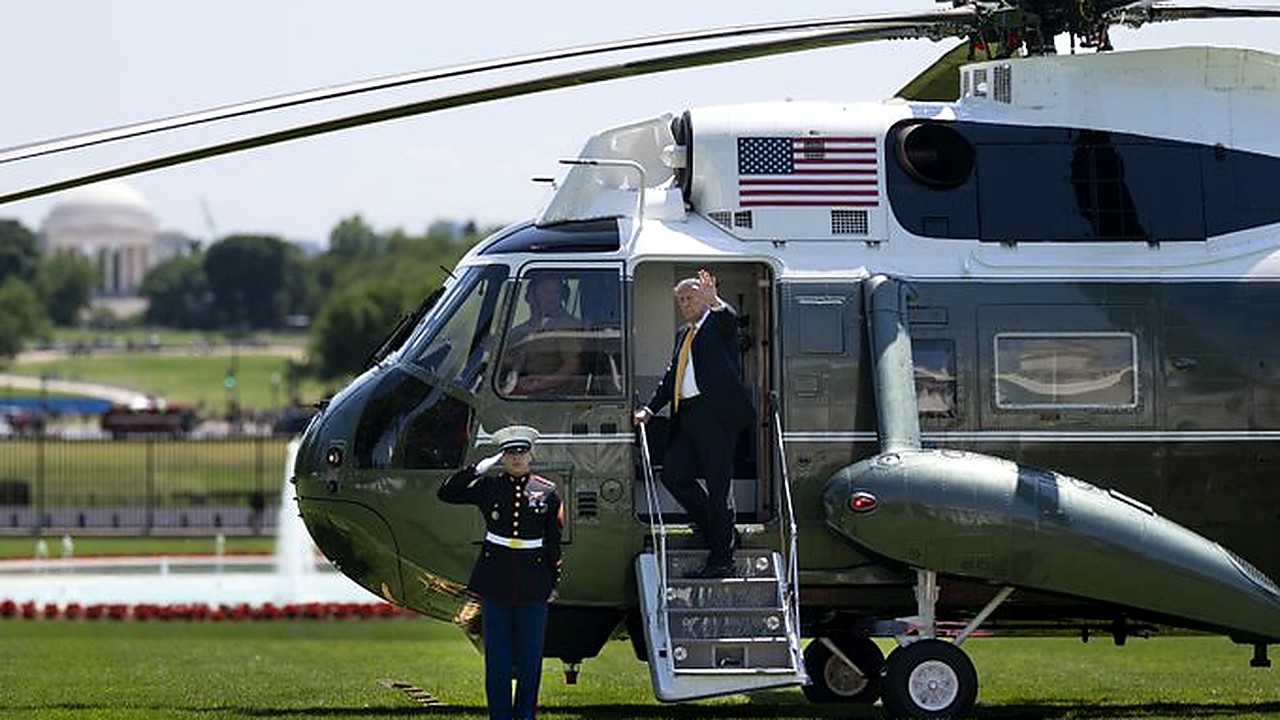
Donald Trump is set to arrive in China for a high-stakes meeting with Chinese President Xi Jinping, putting two of the world’s most powerful leaders face to face as multiple disputes and security concerns hang over the relationship.
The visit centers on talks in Beijing, where Trump and Xi are expected to meet with several major issues on the agenda. Recent coverage has pointed to trade disputes, tensions involving Taiwan, and the Iran war as key topics that could shape the tone and outcomes of the summit.
Trump’s trip is being framed as a major diplomatic moment, with outlets describing it as a state visit and noting it would be the first U.S. state visit to China in nine years. The meeting comes at a time when Washington and Beijing have struggled to manage competition across economics, technology, and regional security, and when both sides have incentives to show they can keep lines of communication open.
Trade is expected to be a central focus. The U.S. and China remain deeply intertwined economically, but disagreements over tariffs and market access have continued to test the relationship. Any signals from the leaders about the direction of negotiations could affect businesses that rely on cross-Pacific supply chains and consumers watching prices.
Security issues are also expected to loom large. Taiwan remains a sensitive flashpoint, with rising tensions repeatedly raising fears of miscalculation. Even limited progress on crisis communications or commitments to avoid escalation would be closely watched by U.S. allies and partners in the region, as well as by global markets that react to geopolitical risk.
The Iran war is another issue hanging over the talks, adding an urgent dimension beyond the U.S.-China relationship itself. Broader international coordination—or lack of it—can influence energy markets, regional stability, and the posture of major powers at the United Nations and other forums. The leaders’ handling of the issue could signal whether Beijing and Washington can find narrow areas of alignment even amid wider rivalry.
This development matters because direct leader-to-leader diplomacy can set the boundaries for how the two governments manage disputes. The U.S. and China often maintain dialogue through working-level channels, but high-level meetings can unlock decisions that lower-level officials are not empowered to make. The summit also offers a public measure of how each side wants to present its approach to the other: confrontation, stabilization, or a mix of both.
What happens next will depend on the substance of the meetings and any readouts that follow. Officials on both sides are expected to brief reporters after key sessions, and additional engagements around the summit could clarify whether the leaders reached practical understandings or simply reiterated long-standing positions. The talks will also be scrutinized for any indications of follow-on negotiations or future meetings.
As Trump arrives in China, the stakes are high and the world will be watching for concrete outcomes—and for any sign that the two leaders can keep a tense relationship from becoming more dangerous.