Altman Says Musk Sought Control Of OpenAI In Early Talks
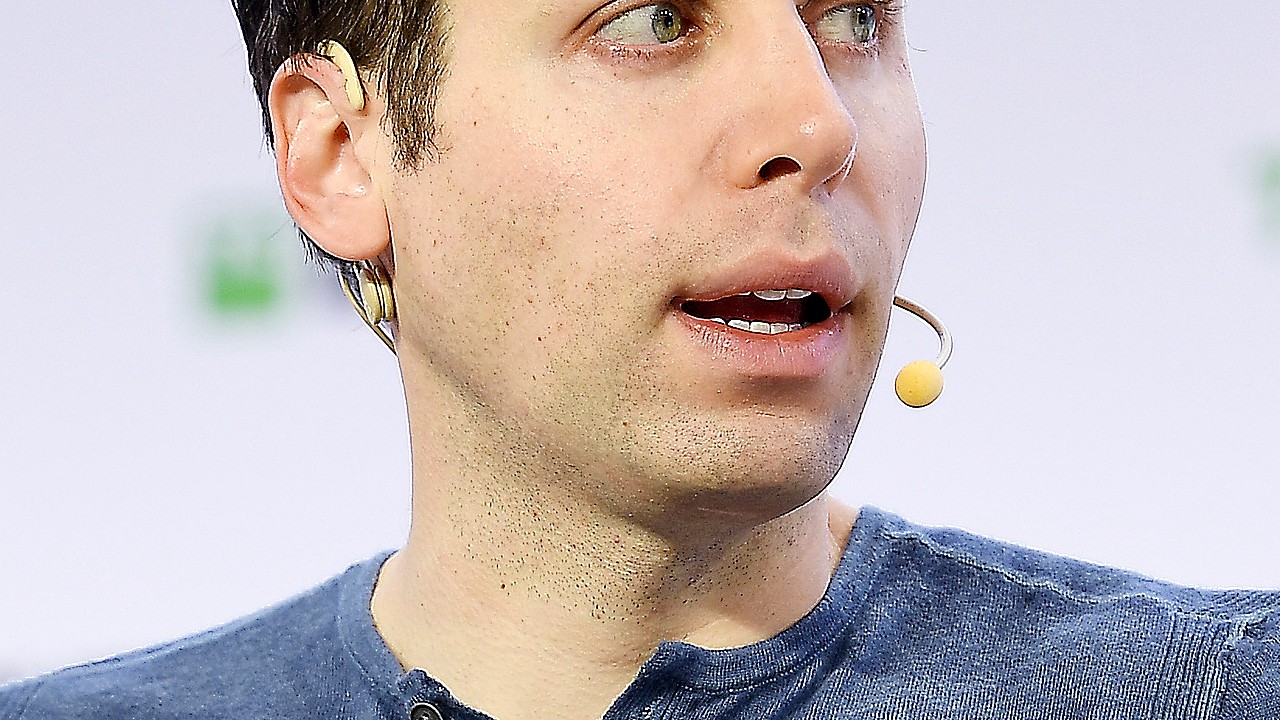
OpenAI Chief Executive Sam Altman testified that Elon Musk sought control of the artificial intelligence company, telling a jury that Musk wanted a dominant ownership position and influence over how OpenAI would be run.
Altman’s remarks came in court testimony tied to a tech trial that has put the early history of OpenAI and its leadership disputes under a public spotlight. In accounts reported by multiple outlets, Altman said Musk pushed for a 90% stake in OpenAI. Altman also said Musk wanted control to pass to his children, framing the dispute as one over governance and power rather than the organization’s stated purpose.
The testimony centers on the relationship between Altman and Musk, a co-founder of OpenAI who later departed, and on competing visions for who should hold decision-making authority. Altman told the jury that Musk’s priority was control of the company rather than its mission, according to reporting on the proceedings.
The allegations matter because OpenAI has become one of the most influential AI developers in the world, and questions about governance shape how its technology is built, deployed, and overseen. Control of an AI lab is not only a corporate matter; it affects research direction, safety policies, partnerships, and public trust in tools that are increasingly embedded in daily life and business operations.
Altman’s testimony also adds detail to longstanding debate over OpenAI’s transition from its original structure into a company with a commercial arm, and the tensions that can arise when founders disagree about who should steer strategy. A claim that one founder sought an overwhelming stake or family control goes directly to the heart of how power is allocated at a company that positions itself as developing advanced AI responsibly.
Separately, Altman has faced a security incident at his home. One headline reports that his residence was targeted with a Molotov cocktail. The available context does not provide additional verified details on the incident, including timing, injuries, damage, arrests, or any law enforcement statements.
In the courtroom, the immediate next steps will be continued testimony and the presentation of evidence as the case proceeds. The jury will ultimately weigh competing accounts about what was sought during internal negotiations and how those discussions relate to the claims being litigated.
For OpenAI, the testimony is another moment of intense scrutiny as it tries to keep its focus on building and distributing AI systems while navigating high-profile conflicts among its past and present leaders. The trial’s outcome could influence public understanding of how the company came to be structured and who sought to shape it.
Altman’s account, delivered under oath, places the fight for control at the center of one of Silicon Valley’s most consequential corporate relationships.