Musk Marks 25 Years In Tech With New SpaceX Milestone
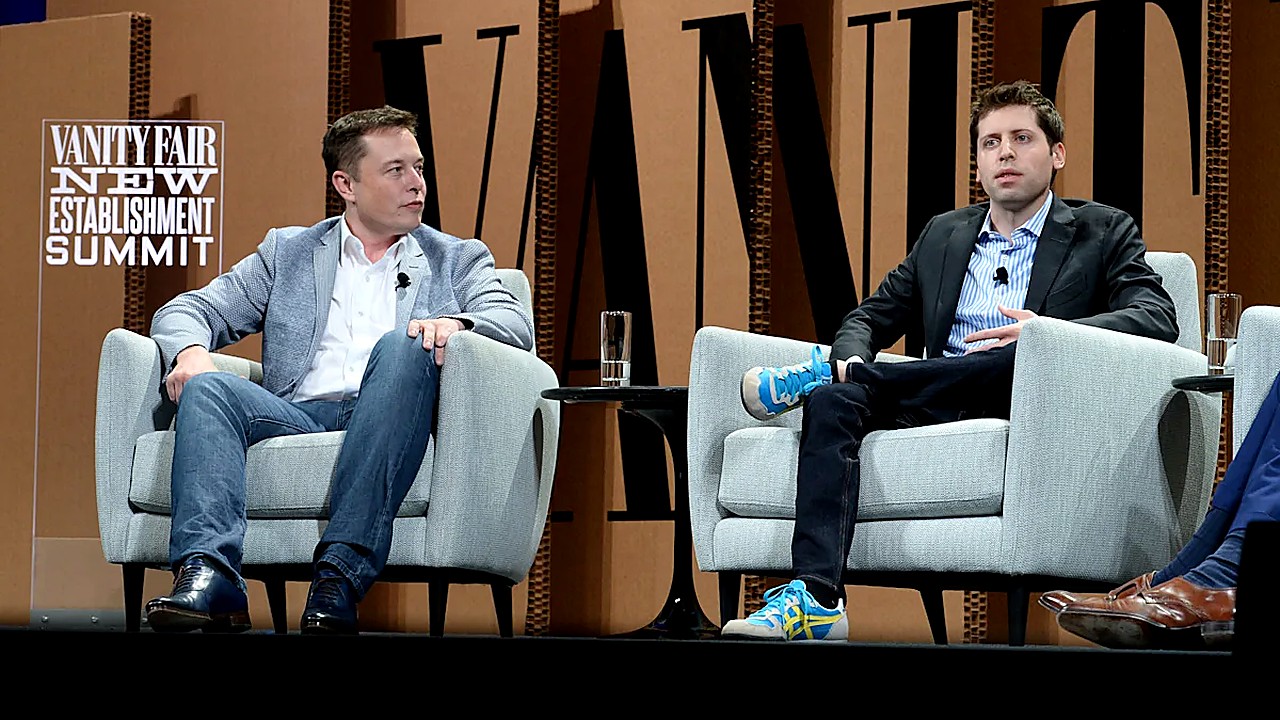
Elon Musk is again drawing attention across technology, media and finance as a string of recent reports and commentaries revisit his long-running business bets, his current expansion in artificial intelligence infrastructure, and the ongoing evolution of X, the social platform formerly known as Twitter.
Several outlets this week framed Musk’s recent years through different lenses: the opportunity cost of his Twitter purchase compared with alternative investments, the local backlash surrounding a growing AI and data-center footprint in Memphis, and the end of years of litigation between X and music publishers. Separately, commentary pieces focused on Musk’s culture-war presence, including a jab at the Oscars, and on competitive maneuvering in AI among the biggest tech companies.
One report from TheStreet looked back at Musk’s decision to buy Twitter by comparing it to hypothetical returns had the same money been deployed into Bitcoin and gold. While that analysis is inherently retrospective, it underscores how closely Musk’s high-profile acquisitions are scrutinized as both business decisions and symbols of his influence.
CNBC reported that Musk’s Memphis AI effort has become a focal point for criticism aimed at the rapid spread of data centers. Data centers, especially those supporting modern AI systems, can be controversial for their local impacts, including land use and infrastructure demands, and the Memphis coverage cast Musk’s operation as a prominent test case for public pushback.
In the digital media arena, Digital Music News reported that X and music publishers have officially stopped suing each other after years of legal fighting, marking a notable pause in a dispute that has been watched by the broader online content ecosystem. The resolution ends at least one major legal front for X as it continues to navigate the business and regulatory pressures that have followed the platform’s ownership change.
Musk also remained part of the broader AI competitive narrative. A Times of India report described Meta’s moves as mirroring Musk’s AI approach and included a claim about outreach to Anthropic CEO Dario Amodei. The broader theme in such coverage is that Musk’s ambitions in AI, alongside his existing control of X and Tesla’s role in the electric vehicle market, keep him at the center of multiple, converging tech races.
These developments matter because they reflect how Musk’s influence extends beyond any single company. His decisions touch finance, content distribution, and critical infrastructure, while the public controversies around his ventures can shape how communities and industries respond to rapid technological buildouts.
What happens next will be closely tied to execution and outcomes: whether Musk’s AI infrastructure efforts can proceed amid local and political resistance, how X manages relationships with rights holders after ending litigation, and how Musk’s larger portfolio performs as competitors press their own AI strategies.
For Musk, the story of the past few years is still being written in real time, and the next chapter will be judged less by commentary than by what his companies deliver.