Mayor Mamdani Bars AI-Generated Photos In Rental Listings
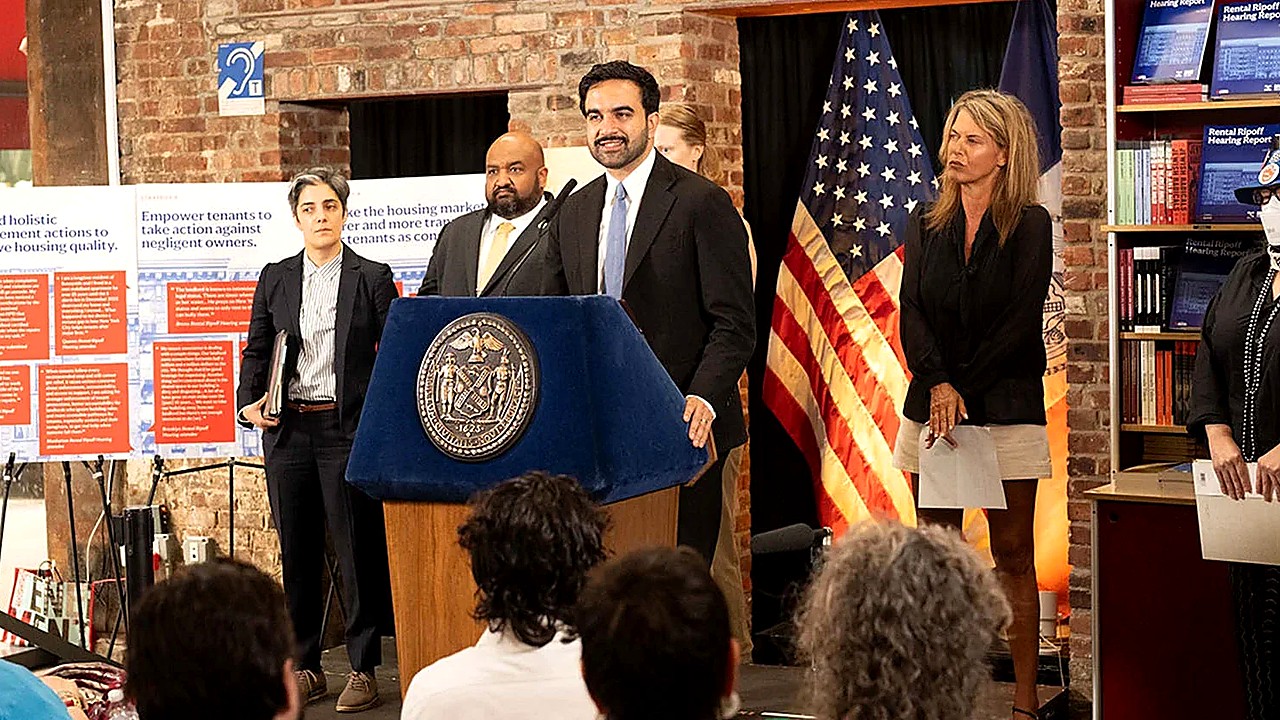
New York City Mayor Zohran Mamdani says landlords and brokers will no longer be allowed to secretly use AI-generated images to advertise rental properties, framing the practice as deceptive and unfair to tenants trying to find a home.
The announcement is part of Mamdani’s newly released “Rental Ripoff Report,” a 68-page document that lays out a slate of actions and proposals aimed at cracking down on hazardous housing conditions and what the administration describes as deceptive landlord practices. The report was released through NYC.gov and is being promoted by the mayor as a roadmap for reshaping how renting works in the city.
Mamdani’s position on AI images targets a growing marketing tactic: listings that use computer-generated or heavily altered visuals rather than real photos of the unit being offered. In public remarks tied to the report, Mamdani said landlords cannot use AI images in a way that misleads renters and that any such use cannot be hidden from prospective tenants.
The report sits alongside a broader set of proposals highlighted in recent coverage, including changes that would shift certain application costs away from renters, as well as other measures intended to curb abusive or misleading conduct in the rental market. Mamdani has also drawn attention for rhetoric around eviction and tenant protections, with critics pouncing on the tone and staging of a recent news conference.
The AI-image issue matters because apartment hunting in New York City is often fast-moving and expensive, with renters making decisions based on limited information and tight timelines. When listing photos do not reflect reality, tenants can lose time, money, and housing opportunities. The mayor is using the report to argue that clearer rules and stronger enforcement are needed to keep advertising honest and to reduce the advantage landlords and brokers may gain through misleading presentation.
It also signals how city government is beginning to treat AI-driven marketing as a consumer protection issue, not just a tech trend. By tying AI imagery to “deceptive landlord practices,” the administration is placing it in the same category as other conduct the city says it wants to deter through oversight and penalties.
What happens next will depend on how the city translates the report’s objectives into enforceable standards and whether the measures require action beyond the mayor’s office. The “Rental Ripoff Report” outlines new actions, but implementation will hinge on the city’s ability to investigate complaints, define what qualifies as an AI-generated or AI-altered image, and set disclosure requirements that can be applied consistently across listings.
Landlord groups, brokers, tenant advocates, and members of the City Council are expected to weigh in as the administration advances the report’s agenda. The mayor’s office has presented the document as a comprehensive push, suggesting additional announcements and policy steps will follow.
For renters scanning listings and scheduling viewings, Mamdani’s message is straightforward: advertising a New York City apartment should reflect what is actually being offered, and the city intends to treat undisclosed AI imagery as a line landlords and brokers cannot cross.