Bessent Says China Will Help Reopen Strait Of Hormuz
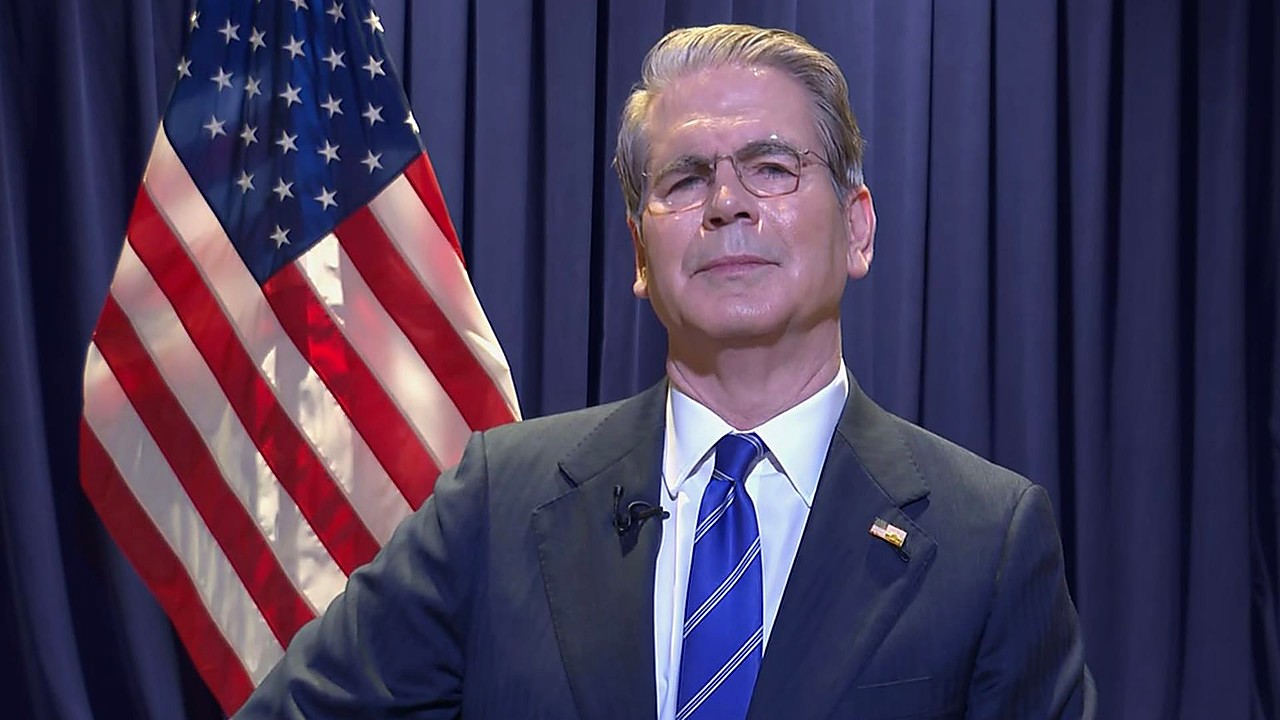
China is expected to work quietly to help reopen the Strait of Hormuz, U.S. Treasury Secretary Scott Bessent said, pointing to Beijing’s interest in restoring a critical corridor for global energy and shipping.
Bessent’s comments, reported by CNBC and Reuters, come as international attention remains focused on security and access in the Strait of Hormuz, a narrow waterway that serves as a major route for oil and other trade moving out of the Persian Gulf.
Speaking about the situation, Bessent said China would “do what it can” and would operate “behind the scenes” to help get the strait reopened, according to the reports. He framed China’s potential role as a product of its economic stake in stable energy flows through the region.
The Strait of Hormuz sits between Iran and Oman, linking the Persian Gulf to the Gulf of Oman and the Arabian Sea. Disruptions there can affect shipping routes, energy markets, and supply chains that depend on predictable maritime transit.
Bessent’s remarks also underscored the U.S. view that major economies have an incentive to support freedom of navigation and the uninterrupted movement of commercial vessels through key chokepoints. While the Treasury Department is not a military agency, its leadership frequently addresses the economic impact of geopolitical crises, including risks to commodity prices and trade.
The development matters because the strait’s status is closely tied to global oil transport and broader market stability. Any prolonged interruption can raise uncertainty for businesses and governments planning energy purchases, shipping schedules, and pricing. The prospect of China using its channels to support reopening signals that Washington is looking beyond traditional security tools and emphasizing the role of economic leverage and diplomacy by other major powers.
Bessent’s comments also highlight the intersection of U.S.-China competition with overlapping interests in global commerce. Even as the two countries clash on a range of strategic and economic issues, stable maritime trade routes remain a shared priority for the world’s largest economies.
What happens next will depend on actions taken by relevant regional and international actors to restore normal transit conditions through the Strait of Hormuz. Any progress is likely to be reflected in maritime guidance, commercial shipping decisions, and official statements from governments with direct influence in the region.
For now, Bessent’s message is that the United States expects China to use its influence to help return one of the world’s most important waterways to regular operation, a step with immediate implications for global trade and energy security.