Closing Arguments Begin In Musk v. Altman OpenAI Trial
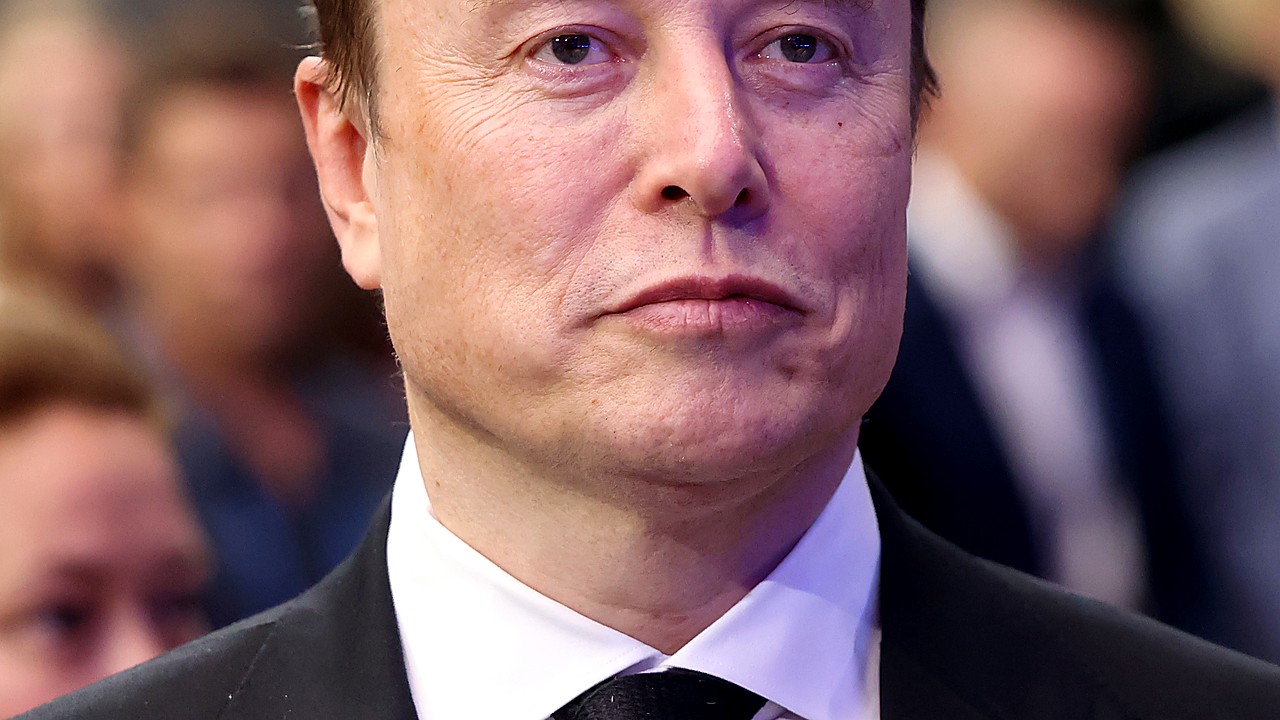
Closing arguments began Thursday in the closely watched courtroom fight pitting Elon Musk against OpenAI CEO Sam Altman, a case that has drawn intense attention because of its potential to influence how artificial intelligence companies are governed and held accountable.
The trial has entered its final stage with attorneys for Musk and for OpenAI presenting their closing statements, according to multiple reports providing live updates, including KTVU, NBC Bay Area and The Mercury News. The arguments come after days of testimony that included Altman addressing his history with Musk and the early days of OpenAI.
Altman wrapped up his testimony earlier in the week, NBC 7 San Diego reported, after discussing Musk and the breakdown of their relationship around OpenAI. CNBC also reported that Altman described a contentious period after Musk’s OpenAI fallout, saying the nonprofit organization was “left for dead.”
The proceedings have been widely characterized as high-stakes and potentially precedent-setting. Coverage from outlets including The Guardian and The New Indian Express has framed the dispute as a landmark battle that could shape the future of AI, underscoring how the outcome could reverberate beyond the parties in the courtroom.
At its core, the case has become a flashpoint in the broader debate over the power and responsibilities of leading AI developers and the people who control them. With major AI systems increasingly embedded in consumer products, business tools and public-facing services, the legal standards that emerge from prominent disputes can influence how companies structure oversight, defend their choices and respond to scrutiny.
The trial’s closing arguments also mark a turning point for both Musk and Altman, two of the most visible figures in the technology industry. The endgame in court places renewed focus on their competing narratives about OpenAI’s direction and leadership, now being summarized for the judge or jury after the testimony phase has concluded.
What happens next will depend on the court’s schedule after closing arguments. Once both sides finish their final presentations, the fact-finder will be left to weigh the evidence presented at trial and reach a decision, unless additional procedural steps are required in the case.
For now, the trial’s homestretch puts the dispute on the verge of a consequential ruling, with both camps making their last bid to persuade the court before the case is submitted for decision.