OpenAI Says Codex Will Launch On Smartphones This Year
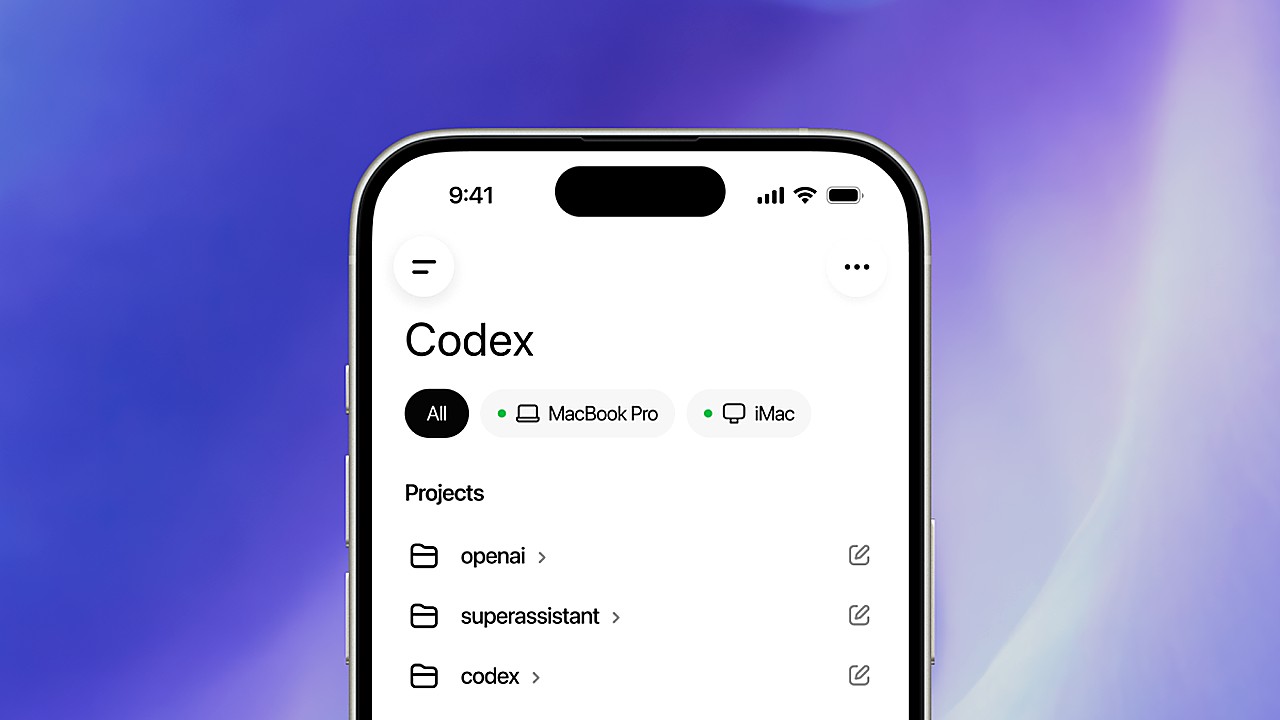
OpenAI says its Codex coding experience is expanding to mobile phones, bringing the company’s developer-focused tools to smaller screens and on-the-go use.
The update centers on Codex, OpenAI’s coding product, and its availability on phones through mobile access. Multiple reports on the rollout were published by TechCrunch, Axios and Engadget, each describing Codex arriving on mobile and framing it as a shift from primarily desktop-based coding workflows to more portable use. A separate report from Let’s Data Science described OpenAI adding a Codex “remote control” capability to the ChatGPT mobile app.
OpenAI has been steadily pushing its products beyond the browser and into everyday devices, and this move places coding assistance closer to where many users already spend their time. Mobile access can make it easier to check the status of coding tasks, review outputs, or interact with coding tools without being tied to a laptop or desktop. For software teams, that could mean faster iteration on small fixes and quicker visibility into work in progress. For individual developers, it can translate into more flexibility—reading, reviewing, or responding to code-related prompts during commutes or away from a primary workstation.
The development also underscores a broader shift in how coding tools are being packaged and delivered. Rather than living exclusively in integrated development environments or traditional developer portals, coding assistants are increasingly being offered inside general-purpose apps and across devices. The reference to a “remote control” function in ChatGPT mobile suggests a model where a phone becomes a management layer for coding tasks, not necessarily the primary place where large amounts of code are written.
Even so, bringing coding to phones raises practical considerations around interface design and usability. Writing and editing large code files on a small touchscreen is cumbersome, and many developers prefer physical keyboards and multi-pane layouts. Mobile access, as described in the reporting, positions the phone more as a way to access, review, and interact with Codex rather than replace a full development setup. It also signals OpenAI’s intent to meet users where they are, extending product reach through mobile experiences that complement desktop workflows.
What happens next will likely involve users testing how well Codex performs in a mobile context and how the experience fits into existing routines. As the mobile rollout continues, attention will focus on how the phone-based experience integrates with established tools and whether it streamlines common developer tasks such as reviewing changes, running quick checks, or monitoring ongoing work. Additional details, including how access is delivered and what specific features are available on mobile, are expected to become clearer as the rollout matures and more users engage with it.
By pushing Codex onto phones, OpenAI is signaling that coding assistants are moving from the desk to the pocket.