Wozniak Tells Students They Have Actual Intelligence, Wins Cheers
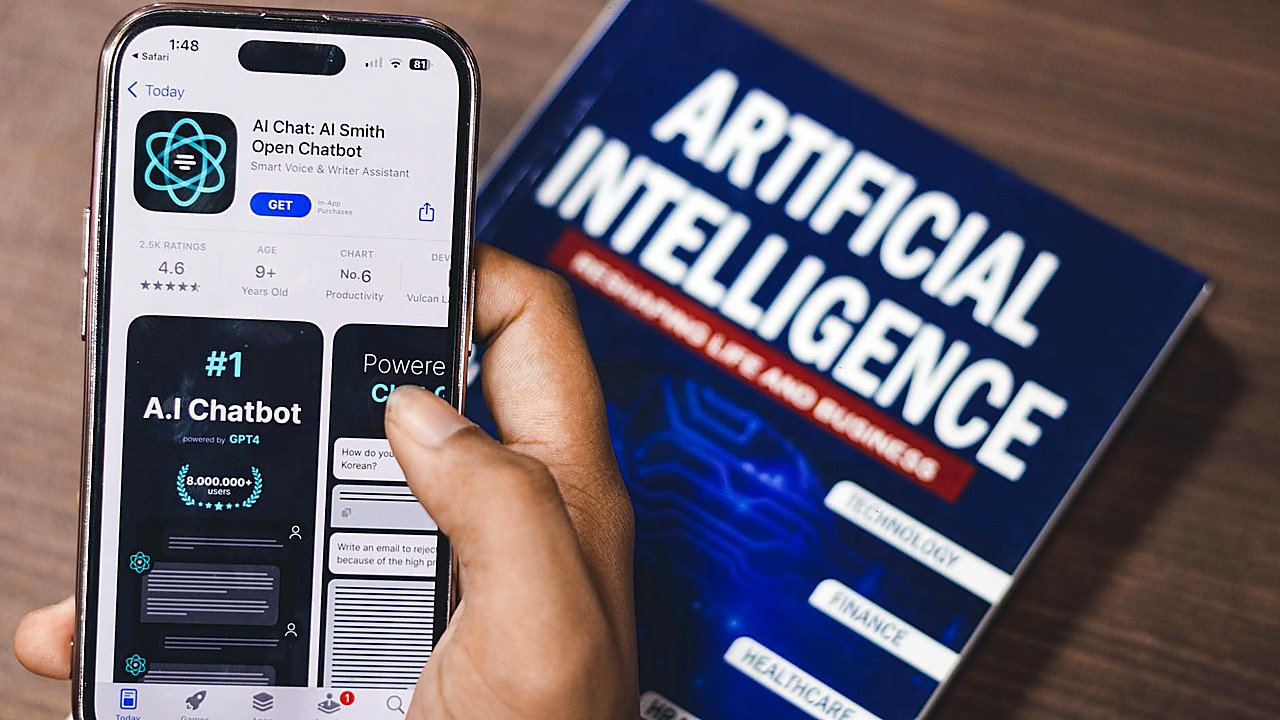
Apple cofounder Steve Wozniak drew cheers from students after telling a crowd that they “all have AI — actual intelligence,” a line that landed as a pointed but upbeat message about human capability amid the rise of artificial intelligence.
Wozniak, best known as the engineer who helped build Apple’s earliest computers, delivered the remark while addressing students at a school event, according to accounts published by Business Insider and other outlets. The audience response was notably positive, with students applauding rather than jeering as he emphasized that intelligence is not limited to software or machines.
The moment stood out because it came during a period when some campus appearances by technology leaders have sparked tense reactions around artificial intelligence and its impact. In this case, Wozniak’s framing was simple: whatever new tools are being promoted under the banner of “AI,” students still possess their own “actual intelligence,” and that remains central to learning and decision-making.
The reaction matters because it highlights how the tone and substance of remarks about artificial intelligence can shape how they are received, especially among young adults entering a job market increasingly affected by automation and AI-enabled products. When prominent figures talk about AI in ways that center human judgment and agency, the message can resonate differently than speeches that focus on technology as an inevitability.
Wozniak’s comments also carry weight because of his role in the tech industry. As a cofounder of one of the world’s most influential technology companies, he is often treated as an authoritative voice on computing and innovation. When he chooses to spotlight “actual intelligence,” he is making a clear statement about the continued value of human creativity, critical thinking, and personal responsibility, even as AI tools become more capable and more widespread.
The student response suggests that audiences may be looking for reassurance that their skills and judgment still matter, rather than hearing AI described as a replacement for human work. It also underscores that discussions of AI are not purely technical; they are cultural and personal, touching on education, careers, and trust in the systems people use every day.
What happens next is likely more of the same: more high-profile speeches and campus visits where AI becomes a central theme, and more scrutiny of how leaders talk about the technology in front of students. For Wozniak, the moment adds to a growing public record of his views on computing that, at least in this appearance, focused less on hype and more on a human-centered message.
In an era when artificial intelligence dominates many conversations about the future, Wozniak’s reminder that students already have “actual intelligence” turned a potentially divisive topic into a crowd-pleasing line.