Trump Confirms He Called Netanyahu Crazy In Row Over Lebanon
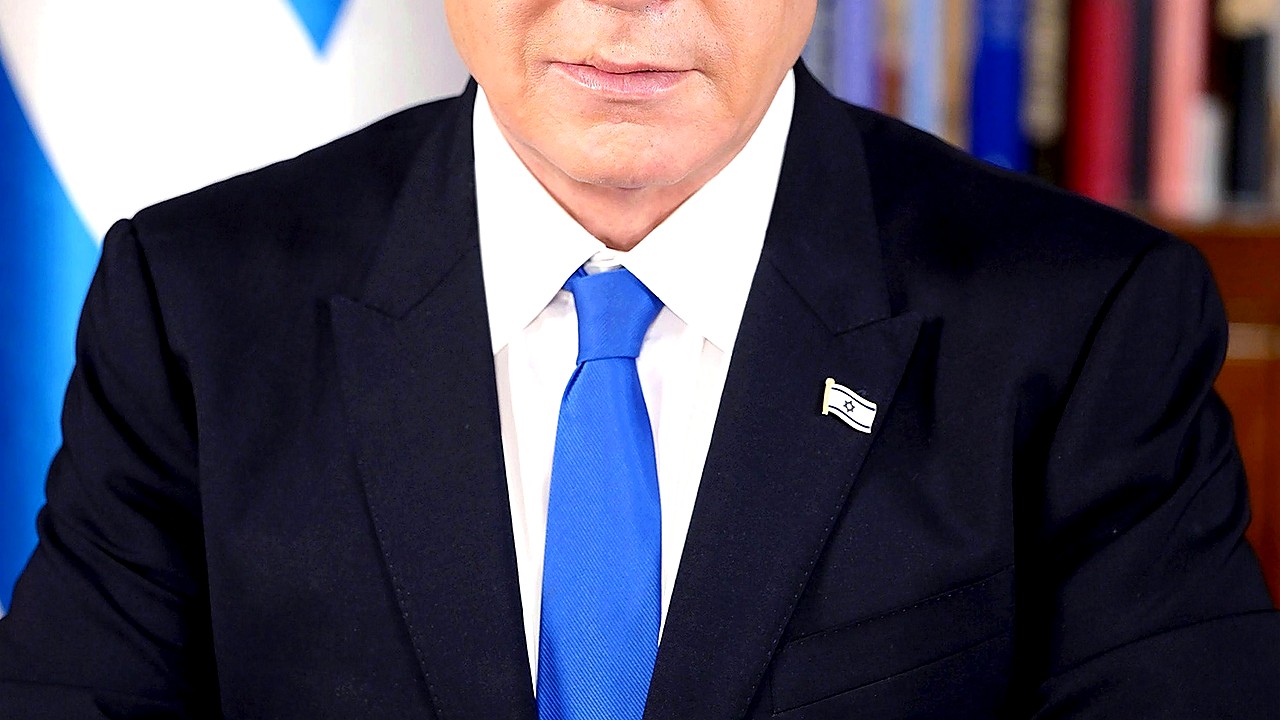
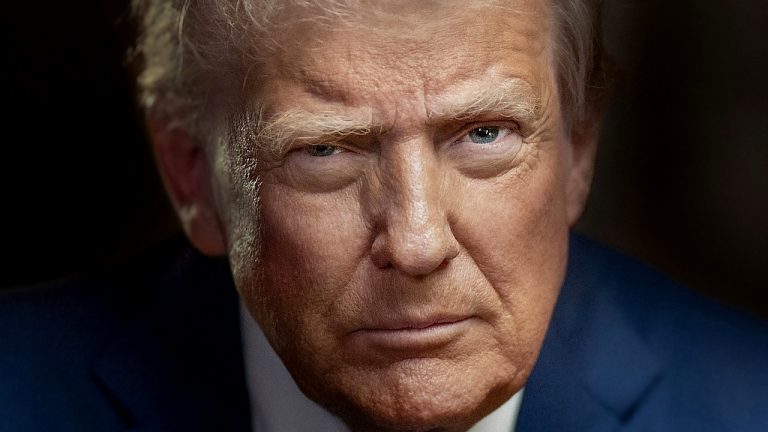
Donald Trump has confirmed he used an expletive and called Israeli Prime Minister Benjamin Netanyahu “crazy” during a telephone argument over Israeli strikes in Lebanon, according to multiple published interviews and reports.
The remark was reported in accounts of Trump discussing the call publicly, including an interview referenced by the New York Post and coverage by Euronews.com and The Times of Israel. In those reports, Trump said he was “perturbed” by what he described as constant fighting with Lebanon and cited that frustration as the backdrop to the exchange.
The phone row centers on Israel’s military actions connected to Lebanon and the broader Israel-Hezbollah confrontation. The reports describe Trump objecting to the continuation or frequency of strikes and conveying that displeasure directly to Netanyahu in blunt terms.
Netanyahu has sought to downplay the incident, according to a report cited by Inkl. That account said Netanyahu emphasized areas of agreement with Trump, including the goal of disarming Hezbollah.
The confirmation matters because it adds a rare, on-the-record description from Trump of a profane, personal dispute with a key U.S. ally’s leader. Trump has a long record of unconventional diplomatic language, but this episode involves Israel’s conduct on a front that has carried significant regional risk and has been closely watched by U.S. policymakers.
The disclosure also underscores how Lebanon-related military decisions have been a point of contention, even among leaders who have otherwise aligned closely on regional strategy. Public descriptions of private leader-to-leader conversations can further complicate messaging between governments, especially as tensions involving Israel and Hezbollah remain a central security concern.
For Netanyahu, the episode lands amid ongoing pressure over Israel’s security posture and its approach to threats from Hezbollah. For Trump, it becomes another example of his willingness to describe sensitive conversations in stark, personal terms, a style that has shaped how allies and adversaries interpret U.S. intentions when he speaks.
What happens next will depend on any formal response from Israeli officials beyond efforts to minimize the dispute and on whether Trump continues to expand on his account in future interviews. The reports already indicate the prime minister is emphasizing shared objectives even as the reported exchange highlights sharp disagreement over tactics.
With Trump now publicly confirming the language he used, the focus shifts from whether the call happened to what the episode signals about U.S.-Israel political dynamics as regional conflict involving Lebanon remains a high-stakes flashpoint.