U.S. Says Iran Fired Missiles And Drones Toward Strait Of Hormuz
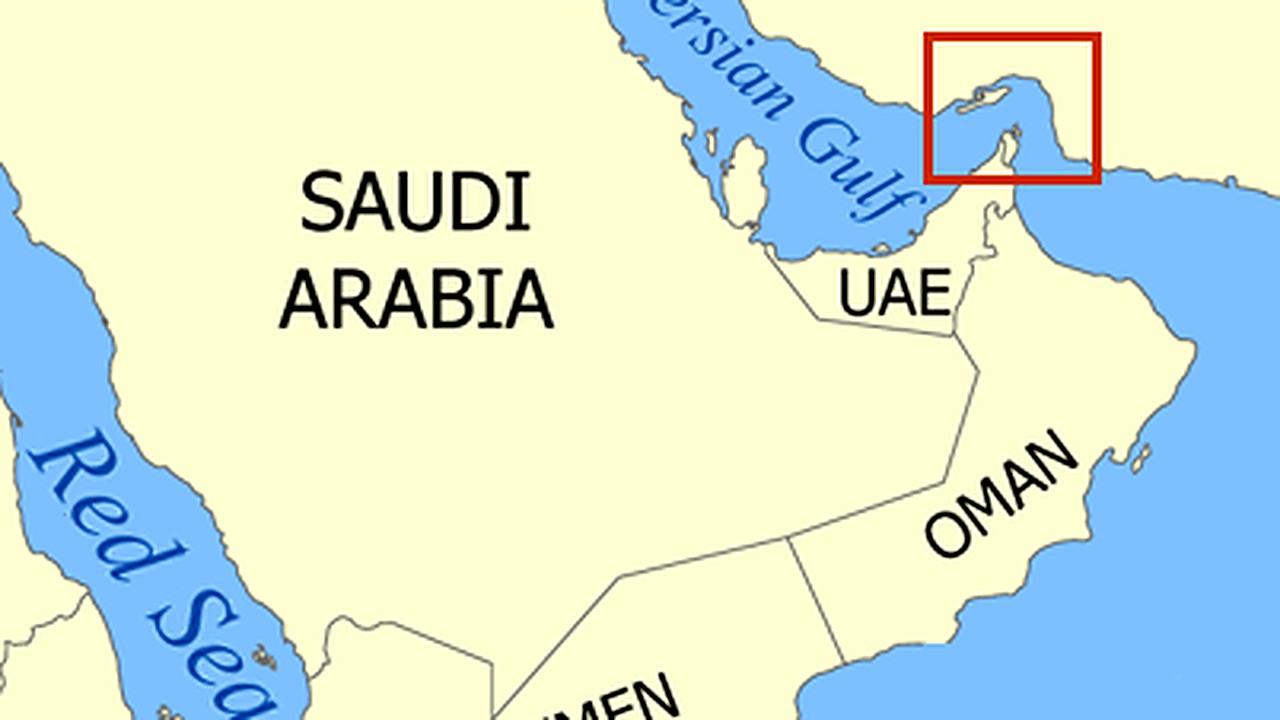
Iran launched missiles and drones toward the Strait of Hormuz, the U.S. military said, as tensions flared again in the Persian Gulf. U.S. forces responded by intercepting some of the incoming threats, according to U.S. military statements cited by multiple news organizations.
The Strait of Hormuz is a narrow waterway at the mouth of the Persian Gulf, bordered by Iran and Oman, and is a critical route for global shipping. The U.S. military said the launches were directed toward the strait and Gulf partners, prompting defensive action in the region.
The New York Times reported that the U.S. military shot down at least four Iranian drones. Other outlets, including NBC News, reported air raid sirens in Bahrain as Iranian missiles and drones headed toward Gulf neighbors. The Washington Post also reported the U.S. military description of launches toward the Strait of Hormuz.
The episode unfolded amid broader U.S.-Iran exchanges in the Gulf described by the BBC and PBS as a test of a fragile ceasefire. Those reports characterized recent actions as an exchange of strikes and fire that raised concerns about the stability of any de-escalation efforts.
This matters because the Strait of Hormuz is one of the world’s most strategically important maritime chokepoints, and military activity near it can quickly affect regional security calculations. Even limited exchanges can increase risks for commercial shipping and for U.S. forces and partners operating in and around the Gulf.
The reports also underscore the extent of U.S. military involvement in air and missile defense in the region. Fortune described the U.S. providing “naval overwatch” as the strait remains more open than previously thought, highlighting continued efforts to maintain freedom of navigation and deter further attacks.
Officials in the region have taken visible precautions. NBC News’ reporting on air raid sirens in Bahrain reflected heightened alert levels among Gulf states as threats moved through regional airspace. Public warning systems and defensive postures are often the first indicators of how quickly an exchange could widen beyond its initial targets.
What happens next will depend on follow-on actions by Iran, the U.S., and regional governments. Additional U.S. military updates are expected as commanders provide assessments of what was launched, what was intercepted, and whether any missiles or drones reached their intended areas.
Diplomatic and military channels are also likely to stay active as both sides gauge the durability of the ceasefire described in recent coverage. Any further exchange of fire in or near the strait would place renewed pressure on regional security arrangements and on efforts to prevent escalation.
For now, the U.S. military says it engaged the incoming threats as they moved toward the Strait of Hormuz and nearby partners, a reminder of how quickly events in the Gulf can shift from tense to dangerous.