Keiko Fujimori Builds Peru Power Base After First Lady Years
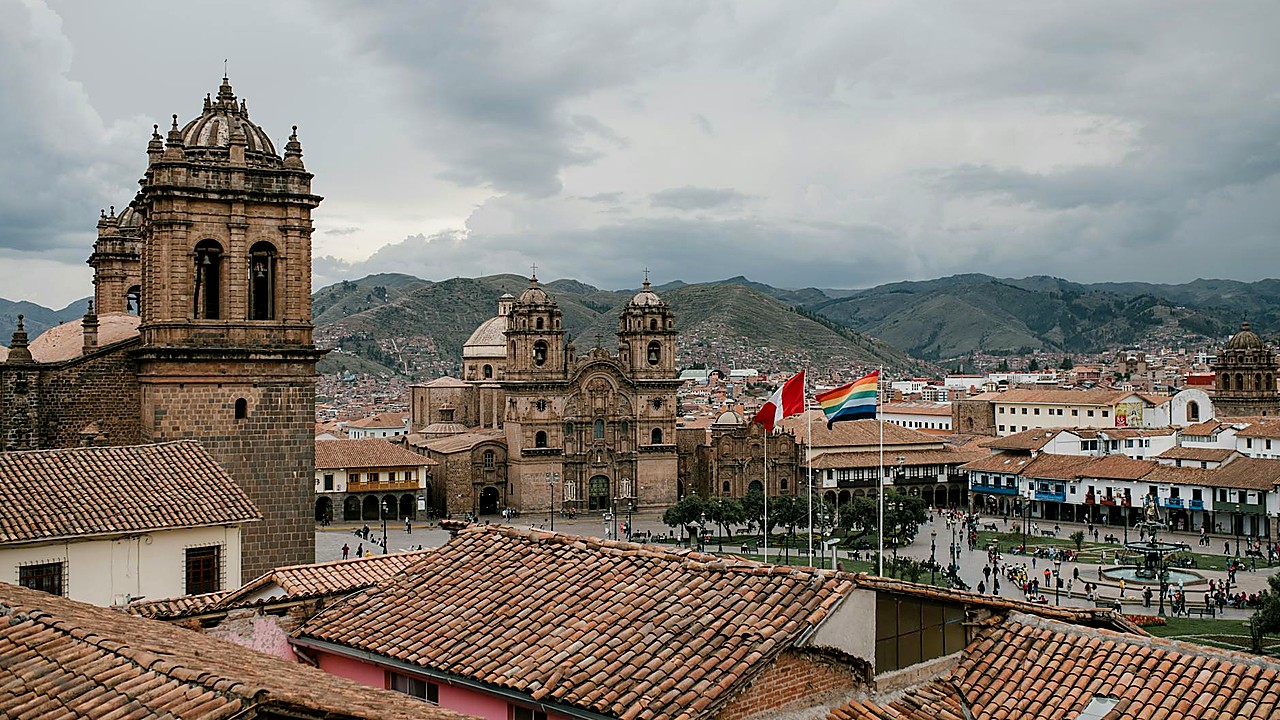
Keiko Fujimori, the influential leader of Peru’s right-wing Popular Force party and a perennial contender for the presidency, is again at the center of national political attention as Peru heads toward another election shaped by insecurity and instability.
Fujimori is the daughter of former Peruvian President Alberto Fujimori and a dominant figure in the country’s polarized politics. She first rose to national prominence as a teenager when she stepped into a public role alongside her father, serving as first lady during his presidency. Over the years, she built her own political brand, leading Popular Force and running for president multiple times, becoming one of the best-known and most divisive politicians in the country.
The renewed focus on Fujimori comes as Peruvians prepare to vote for president again, with public safety and rising crime weighing heavily on the electorate. The country has cycled through repeated changes in leadership in recent years, and the prospect of yet another election underscores how unsettled Peru’s political landscape remains.
Fujimori’s continued prominence matters because she is one of the few national figures with a loyal base, an established party structure, and name recognition that cuts across the country. In a fragmented political environment, those advantages can shape the field, influence alliances, and set the terms of debate, even among opponents. Her candidacy, or even her positioning ahead of a campaign, is likely to draw intense scrutiny and sharpen divisions that have defined Peru’s recent elections.
At the same time, Peru’s overriding public concerns are shifting. With crime a dominant issue for many voters, any leading politician will be judged against demands for public order, effective governance, and stability. Fujimori’s history in national politics ensures that she will be closely linked to arguments about what kind of leadership Peru needs and what lessons the country should take from its recent turbulence.
What happens next will depend on the contours of the approaching election: who enters the race, how the major candidates frame their platforms, and how voters respond to competing promises on security and governance. Fujimori and Popular Force remain central players, and her standing will be tested in a climate where frustration with institutions runs high and confidence in politics is strained.
In a country preparing, once more, to choose its next president, Fujimori’s trajectory from a high-profile role in the presidential palace to a recurring contender for the top job is again part of the story Peru is confronting at the ballot box.